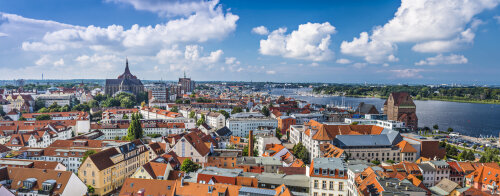
1. Über Kooperatives Verfahren-Recht in Rostock, Deutschland
Kooperatives Verfahren bezeichnet eine vertraglich oder gerichtsintern geprägte Form der Streitbeilegung, bei der Beteiligte durch Kooperation statt Konfrontation zu einer Lösung gelangen. Typische Instrumente sind Mediation, Schlichtung und außergerichtliche Einigungen mit Unterstützung von Rechtsberatern. In Rostock kommen diese Verfahren sowohl im Zivilrecht als auch im Familien- und Verwaltungsbereich zum Einsatz.
„Kooperative Verfahren zielen darauf ab, Konflikte schneller, besser kontrollierbar und weniger belastend zu lösen als klassische Gerichtsverfahren.“
„Mediation reduziert die Belastung des Gerichtssystems und erhöht oft die Akzeptanz der Ergebnisse bei allen Beteiligten.“
Quelle: BMJV - Justizportal - Europäisches Rechtsportal, Hinweise zu außergerichtlichen Einigungen und Mediation
2. Warum Sie möglicherweise einen Anwalt benötigen
- Scheidung und Unterhaltsfragen - Eine kooperative Vorgehensweise erfordert oft rechtliche Beratung, damit Vereinbarungen steuerlich und rechtlich wirksam sind. Ohne Rechtsbeistand riskieren Sie unklare Regelungen zu Unterhalt, Vermögensaufteilung oder Sorgerecht.
- Nachbarschafts- und Mietstreitigkeiten - Bei Konflikten über Lärm, Nebenkosten oder Kündigungen hilft ein Anwalt, die Rahmenbedingungen der Mediation zu klären und Forderungen präzise zu formulieren.
- Vertragliche Konflikte zwischen Unternehmen - In Rostock ansässige Betriebe profitieren von klar formulierten Mediationsvereinbarungen, um Lieferverträge oder Kooperationen zu stabilisieren.
- Verwaltungs- und Behördenkontakte - Rechtsbeistand ist sinnvoll, wenn kommunale Entscheidungen oder Genehmigungen Gegenstand einer kooperativen Einigung werden sollen.
- Familienrechtliche Angelegenheiten - Bei Regelungen zu Sorgerecht, Umgangsrecht oder Vermögensaufteilungen unterstützt ein Anwalt eine faire, kindeswohlorientierte Lösung.
- Schlichtungsverfahren vor Gericht - Rechtsberatung hilft, Schlichtungsanträge korrekt vorzubereiten und zielorientierte Verhandlungsschritte zu planen.
3. Überblick über lokale Gesetze
Für Kooperative Verfahren in Rostock gelten zentrale gesetzliche Rahmenwerke des deutschen Zivil- und Verwaltungsrechts. Die wichtigsten sind ZPO, FamFG sowie Regelungen zur Mediation im Zivilprozess. Diese Rechtsrahmen bestimmen Ablauf, Kosten und Durchsetzbarkeit kooperativer Vereinbarungen.
- Zivilprozessordnung (ZPO) - Regelt Verfahrensabläufe in Zivilrechtsstreitigkeiten und die Möglichkeiten außergerichtlicher Einigungen. In Rostock wie im gesamten Bundesgebiet finden ZPO-Vorgaben Anwendung.
- Familienverfahrensgesetz (FamFG) - Enthält Vorschriften zu Familien- und Jugendangelegenheiten, einschließlich mediationsbasierter Verfahrensformen. In Rostock gelten diese Bestimmungen verbindlich für familienrechtliche Streitigkeiten.
- Verwaltungsverfahrensgesetz (VwVfG) - Regelt Verwaltungsverfahren mit Optionen zur außergerichtlichen Streitbeilegung in bestimmten Verwaltungsangelegenheiten. In Rostock wird es bei behördlichen Konflikten angewendet.
Gerichtliche Zuständigkeiten in Rostock - Rostock gehört zum Land Mecklenburg-Vorpommern. In zivil- und familienrechtlichen Angelegenheiten arbeiten hier in der Regel Amtsgericht Rostock bzw. Landgericht Rostock mit regionalen Schlichtungs- und Mediationsangeboten zusammen. Die örtliche Zuständigkeit richtet sich nach Streitwert, Rechtsgebiet und Verfahrensart.
„Die Mediation im Zivilprozess ist in Deutschland zeitweise effizienter als ein Gerichtsverfahren.“
„In Mecklenburg-Vorpommern wird das Angebot kooperativer Verfahren durch lokale Rechtsanwaltskammern und Gerichte gestützt.“
Quellen: BMJV - Justizportal; Europäisches Rechtsportal - Praxishinweise zu außergerichtlichen Einigungen
4. Häufig gestellte Fragen
Was ist Kooperatives Verfahren in Rostock genau?
Kooperatives Verfahren umfasst Mediation, Schlichtung und vertraglich vereinbarte Einigungen. Ziel ist eine einvernehmliche Lösung ohne vollständige Gerichtsbarkeit. Der Rechtsberater unterstützt bei rechtssicheren Vereinbarungen.
Wie funktioniert der Ablauf einer Mediation in Rostock?
Ein Mediator leitet die Gespräche zwischen den Parteien. Beide Seiten legen Ziele fest, erstellen eine Lösungsübersicht und dokumentieren Ergebnisse schriftlich. Falls erforderlich, wird eine rechtsverbindliche Vereinbarung vorbereitet.
Wann sollte ich einen Anwalt einschalten?
Wenn rechtlich komplexe oder finanzielle Fragen bestehen, ist eine Rechtsberatung sinnvoll. Ein Anwalt prüft Verträge, dokumentiert Ansprüche und schützt Ihre Interessen im Kooperationsprozess.
Wie teuer ist ein kooperatives Verfahren?
Kosten setzen sich aus Mediationshonoraren, Gerichtskosten und ggf. Anwaltsgebühren zusammen. Mediationshonorare reichen je nach Fall von wenigen Hundert bis zu mehreren Tausend Euro. Vereinbarungen klären die Kosten im Vorfeld.
Wie lange dauert ein kooperatives Verfahren in Rostock?
Typischerweise dauern Mediationen wenige Stunden bis zu einigen Tagen. Eine abschließende schriftliche Vereinbarung kann Wochen benötigen. Gerichtliche Nachverfahren entfalten sich separat.
Brauche ich eine Zulassung als Mediator?
Sie brauchen keine eigene Zulassung als Mediator, um kooperative Verfahren zu nutzen. Ein Rechtsanwalt oder ein ausgebildeter Mediator begleitet den Prozess.
Was ist der Unterschied zwischen Mediation und Schlichtung?
In der Mediation erzeugen die Parteien die Lösung selbst. In der Schlichtung trifft eine dritte Person eine Empfehlung. Mediation ist in der Regel freier, informeller.
Wie finde ich einen passenden Kooperations-Anwalt in Rostock?
Nutzen Sie lokale Rechtsanwaltskammern, Empfehlungen aus Netzwerken oder spezialisierte Portale. Achten Sie auf Erfahrungen mit Mediation und kooperativen Verfahren.
Welche Rolle spielt Rostock als Gerichtsstand?
Rostock bestimmt örtliche Zuständigkeiten je nach Rechtsgebiet und Verfahrensart. Für kooperative Verfahren arbeitet die Stadt eng mit dem regionalen Gericht zusammen.
Wie sicher ist eine kooperative Vereinbarung rechtsverbindlich?
Eine schriftliche Mediationsvereinbarung ist rechtlich bindend, sobald beide Seiten unterschreiben. Oft folgt eine notarielle Beurkundung oder gerichtliche Bestätigung.
Was kostet mich ein Mediator konkret in Rostock?
Die Kosten variieren stark nach Konfliktumfang und Zeitaufwand. Typisch liegen Mediationshonorare bei 100 bis 250 Euro pro Stunde, zuzüglich Nebenkosten.
Welche Qualifikationen hat ein Mediator in Rostock?
Gute Mediatoren besitzen eine formale Ausbildung, praktische Erfahrung und Neutralität. Rechtsanwälte mit Mediationsfortbildung sind besonders häufig vertreten.
Welche Unterlagen brauche ich für eine Kooperations-Verhandlung?
Bereiten Sie relevante Verträge, Schriftverkehr, Belege und Kontoauszüge vor. Eine klare Darstellung Ihrer Ansprüche erleichtert den Prozess.
5. Zusätzliche Ressourcen
Beachten Sie folgende offizielle Anlaufstellen für kooperative Verfahren in Rostock und Mecklenburg-Vorpommern:
- Bundesministerium der Justiz und für Verbraucherschutz (BMJV) - offizielle Informationen zu Mediation und außergerichtlicher Konfliktlösung. bmjv.de
- Justizportal - zentrale Rechtsinformationen zu Gerichtsverfahren, Mediation und Schlichtung. justizportal.de
- Regierung Mecklenburg-Vorpommern - regionale Hinweise zu Rechts- und Verwaltungsverfahren in Rostock. regierung-mv.de
6. Nächste Schritte
- Bestimmen Sie, welches kooperative Instrument am sinnvollsten ist (Mediation, Schlichtung, außergerichtliche Einigung). Zeitrahmen klären.
- Vereinbaren Sie eine erste Beratung mit einem Rostocker Rechtsberater, der auf kooperative Verfahren spezialisiert ist. Planen Sie 60-90 Minuten ein.
- Lassen Sie sich ein kostenfreies initiales Gespräch anbieten, um Kosten, Ablauf und Ziele festzulegen. Dokumentieren Sie die Ergebnisse schriftlich.
- Sammeln Sie alle relevanten Unterlagen und bereiten Sie eine klare Forderungs- oder Konfliktübersicht vor. Stellen Sie Kopien bereit.
- Schildern Sie dem Rechtsberater Ihre Prioritäten und Grenzen. Vereinbaren Sie Kommunikationswege und Reaktionszeiten.
- Kooperieren Sie aktiv mit dem Mediator oder Schlichter und vermeiden Sie unnötige Verzögerungen. Arbeiten Sie an pragmatischen Lösungen.
- Schließen Sie eine schriftliche Vereinbarung ab, idealerweise mit Rechtsverbindlichkeit oder gerichtlicher Bestätigung.
Lawzana hilft Ihnen, die besten Anwälte und Kanzleien in Rostock über unser Verzeichnis von Rechtsexperten zu finden. Unsere Plattform bietet Rankings und detaillierte Profile von Anwälten und Kanzleien, sodass Sie nach Rechtsgebieten, einschließlich Kooperatives Verfahren, Erfahrung und Kundenbewertungen vergleichen können.
Jedes Profil enthält eine Beschreibung der Tätigkeitsbereiche der Kanzlei, Kundenbewertungen, Teammitglieder und Partner, Gründungsjahr, gesprochene Sprachen, Standorte, Kontaktinformationen, Social-Media-Präsenz sowie veröffentlichte Artikel oder Ressourcen. Die meisten Kanzleien auf unserer Plattform sprechen Deutsch und haben Erfahrung in lokalen und internationalen Rechtsangelegenheiten.
Erhalten Sie ein Angebot von erstklassigen Kanzleien in Rostock, Deutschland — schnell, sicher und ohne unnötigen Aufwand.
Haftungsausschluss:
Die Informationen auf dieser Seite dienen nur allgemeinen Informationszwecken und stellen keine Rechtsberatung dar. Obwohl wir uns bemühen, die Richtigkeit und Relevanz des Inhalts sicherzustellen, können sich rechtliche Informationen im Laufe der Zeit ändern, und die Auslegung des Gesetzes kann variieren. Sie sollten immer einen qualifizierten Rechtsexperten für eine auf Ihre Situation zugeschnittene Beratung konsultieren.
Wir lehnen jede Haftung für Handlungen ab, die auf Grundlage des Inhalts dieser Seite vorgenommen oder unterlassen werden. Wenn Sie glauben, dass Informationen falsch oder veraltet sind, kontaktieren Sie uns, und wir werden sie überprüfen und gegebenenfalls aktualisieren.