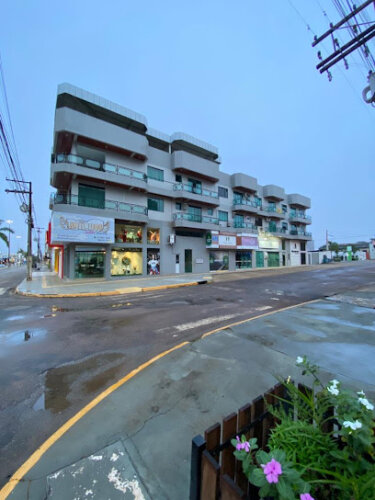
1. Sobre o direito de Povos Indígenas em Vilhena, Brasil
Em Vilhena, Rondônia, os povos indígenas têm direitos constitucionais que asseguram a preservação de terras, cultos, tradições e formas próprias de organização social. O bairro jurídico local costuma tratar de regularização fundiária e de proteção contra ameaças a terras tradicionais. A atuação de órgãos federais, regionais e municipais é fundamental para garantir esses direitos na prática.
As regras aplicáveis visam evitar expulsões arbitrárias, assegurar consultas prévias e esclarecimentos sobre licenças para atividades que afetem áreas indígenas. A proteção à saúde, à educação e ao território é uma prioridade de políticas públicas, com foco na proteção de culturas e modos de vida. Entender o panorama jurídico no nível federal ajuda a entender como essa proteção pode ser efetivamente implementada em Vilhena.
“A Constituição Federal de 1988 reconhece aos povos indígenas direitos originários sobre as terras que tradicionalmente ocupam”
Essa base legal sustenta ações de demarcação, proteção de terras e participação em decisões que afetem comunidades indígenas. Fontes oficiais reforçam que o objetivo é equilibrar desenvolvimento regional com a garantia de direitos coletivos dos povos originários.
2. Por que pode precisar de um advogado
- Regularização de terras próximas a Vilhena que afetem aldeias indígenas, incluindo questões de demarcação e limites entre áreas indígenas e propriedades vizinhas.
- Conflitos com grileiros ou fazendeiros que ocupem ou pretendam ocupar terras indígenas na região, com necessidade de reintegração de posse ou ações civis públicas.
- Negociação de acordos ambientais e de licenciamento para atividades econômicas, como mineração ou exploração madeireira, que possam impactar terras indígenas.
- Questões de educação e saúde nas comunidades indígenas, incluindo contratação de profissionais, implementação de programas escolares e acesso a serviços públicos.
- Ações para exigir consulta prévia, livre e informada antes de projetos que afetem territórios indígenas, conforme recomendação de órgãos competentes.
- Defesa de direitos culturais, artísticos e uso de recursos naturais dentro de comunidades, incluindo proteção de práticas tradicionais e gestão de bens culturais.
3. Visão geral das leis locais
Constituição Federal de 1988 - art. 231 estabelece o reconhecimento aos povos indígenas de seus direitos sobre as terras por eles tradicionalmente ocupadas, além de preservar seus costumes e organização social. A proteção jurídica é reforçada pela jurisprudência e por políticas públicas federais, com atuação coordenada entre FUNAI e governos estaduais e municipais. Planoalto.gov.br
Estatuto do Índio - Decreto-lei nº 1.775, de 1980, regula aspectos de proteção aos povos indígenas e de demarcação de terras. Em Vilhena e no estado de Rondônia, esse marco serve como base para procedimentos de demarcação, consulta e proteção de territórios tradicionais. Funai.gov.br
Lei 11.645/2008 - dispõe sobre a inclusão da temática étnico-ramos indígenas no ensino e traz diretrizes para educação escolar indígena. Em Vilhena, essa lei orienta a implementação de conteúdos culturais e históricos nas escolas das comunidades. Planalto.gov.br
“A FUNAI atua na proteção, promoção e defesa dos direitos dos povos indígenas”
As normas acima são complementadas por políticas de saúde e educação específicas para povos indígenas. Fontes oficiais destacam a importância de atuação integrada para efetivar direitos de terras, educação e saúde em todo o país. Funai.gov.br, Ibge.gov.br
4. Perguntas frequentes
O que é demarcação de terras indígenas e como funciona?
A demarcação define oficialmente a terra tradicional de uma comunidade. A atuação envolve estudo técnico, consulta a comunidades e publicação de ato administrativo. Procesos tipicamente envolvem fases de identificação, recenseamento e homologação pelo governo.
Como faço para iniciar uma consulta jurídica em Vilhena sobre terras indígenas?
Primeiro, reúna documentos da comunidade e informações sobre a área. Em seguida, procure um advogado com experiência em direito indígena ou o atendimento da OAB local. Prepare perguntas sobre custos, prazos e etapas do processo.
Quando uma terra indígena pode ser demarcada sem acordo entre partes?
A demarcação, quando prevista pela Constituição, segue lei e avaliação técnica, com participação da comunidade e, se cabível, homologação pelo governo. A consulta prévia é obrigatória em muitos projetos com impacto territorial.
Onde posso obter informações oficiais sobre direitos dos povos indígenas em Vilhena?
Fontes oficiais incluem Planalto, FUNAI e SESAI. Consulte documentos e portais oficiais para obter guias, leis e procedimentos atualizados. Planalto.gov.br
Por que pode ser necessário contratar um advogado especializado em Povos Indígenas?
Um jurista experiente ajuda a navegar regras complexas, a lidar com demarcações, consultas e disputas de terra. Além disso, facilita a comunicação com órgãos públicos e a defesa de direitos culturais e educacionais.
Pode haver custos com honorários e taxas, e como isso é definido?
Os custos variam conforme o caso, complexidade e tempo de ação. Refira-se a um contrato claro com seu jurista, incluindo honorários, despesas e honorários de sucumbência, quando aplicável.
Devo respeitar prazos processuais para ações indígenas em Vilhena?
Sim, os prazos processuais costumam ser rígidos, com contagens de prazos desde a ciência da parte. O acompanhamento de um advogado reduz o risco de perder prazos importantes.
Qual é a diferença entre direitos coletivos e direitos individuais em terras indígenas?
Os direitos coletivos protegem a comunidade como um todo e a posse tradicional, enquanto direitos individuais podem incluir heranças, uso de recursos e participação em benefícios sociais.
Como funciona a tutela de terras quando há conflitos entre comunidades?
O Judiciário e órgãos administrativos avaliam provas, planos de convivência e mediação entre as partes. Advogados ajudam a organizar documentos, perícias e solicitações de medidas cautelares, se cabíveis.
O que é consulta prévia, livre e informada e quem a conduz?
É um debate com a comunidade antes de qualquer medida que afete terras ou modos de vida. A condução é feita por órgãos públicos competentes, com participação efetiva da comunidade envolvida.
Quando devo buscar orientação sobre educação indígena em Vilhena?
Busque orientação ao planejar mensalidades, escolas, inclusão de conteúdos culturais e contratação de profissionais para escolas indígenas. A legislação de educação indígena orienta essas ações.
Qual é o papel da saúde indígena na região de Vilhena?
A saúde indígena é garantida pela SESAI e pela rede estadual de saúde. Advogados podem orientar sobre acesso a serviços, licenças de profissionais e acompanhamento de programas de saúde específicas.
5. Recursos adicionais
- - Órgão federal responsável pela proteção e promoção dos direitos dos povos indígenas; atua na demarcação de terras e políticas de proteção. Site: https://www.funai.gov.br
- - Coordena a atenção à saúde indígena no Brasil, com diretrizes de serviços de saúde diferenciados para comunidades. Site: https://www.gov.br/saude/pt-br/assuntos/saude-indigena
- - Fornece dados demográficos e socioeconômicos sobre povos indígenas no Brasil. Site: https://www.ibge.gov.br
6. Próximos passos
- Liste as necessidades da comunidade de Vilhena, como demarcação, educação ou saúde, com prazos desejados.
- Reúna documentos da comunidade: identidade, registros de terras, mapas, fotos e relatórios de visitas técnicas.
- Pesquise advogados com experiência comprovada em Povos Indígenas na região de Vilhena e peça indicação na OAB local.
- Solicite uma primeira consulta para entender custos, etapas e prazos do seu caso específico.
- Verifique o contrato com o consultor jurídico sobre honorários, despesas processuais, prazos e cláusulas de confidencialidade.
- Solicite cópias de decisões anteriores e relatórios de outras comunidades que tenham passado por processo semelhante.
- Inicie o planejamento da estratégia jurídica com o advogado escolhido e defina um cronograma, incluindo marcos e revisões periódicas.
A Lawzana ajuda-o a encontrar os melhores advogados e escritórios em Vilhena através de uma lista selecionada e pré-verificada de profissionais jurídicos qualificados. A nossa plataforma oferece rankings e perfis detalhados de advogados e escritórios, permitindo comparar por áreas de prática, incluindo Povos Indígenas, experiência e feedback de clientes.
Cada perfil inclui uma descrição das áreas de prática do escritório, avaliações de clientes, membros da equipa e sócios, ano de fundação, idiomas falados, localizações, informações de contacto, presença nas redes sociais e artigos ou recursos publicados. A maioria dos escritórios na nossa plataforma fala português e tem experiência em questões jurídicas locais e internacionais.
Obtenha um orçamento dos melhores escritórios em Vilhena, Brasil — de forma rápida, segura e sem complicações desnecessárias.
Aviso Legal:
As informações fornecidas nesta página são apenas para fins informativos gerais e não constituem aconselhamento jurídico. Embora nos esforcemos para garantir a precisão e relevância do conteúdo, as informações jurídicas podem mudar ao longo do tempo, e as interpretações da lei podem variar. Deve sempre consultar um profissional jurídico qualificado para aconselhamento específico à sua situação.
Renunciamos a qualquer responsabilidade por ações tomadas ou não tomadas com base no conteúdo desta página. Se acredita que alguma informação está incorreta ou desatualizada, por favor contacte-nos, e iremos rever e atualizar conforme apropriado.