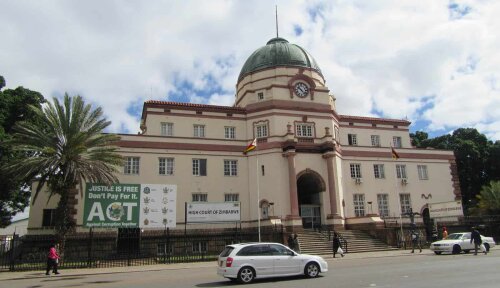
1. About Identity Theft Law in Zimbabwe
Identity theft occurs when someone uses another person’s personal information without permission to commit fraud or other crimes. In Zimbabwe, identity theft-related conduct is addressed primarily through criminal offences such as impersonation, forgery and fraud within the Criminal Law (Codification and Reform) Act. The modern legal framework also regulates how personal data is collected, stored and used to prevent misuse that could enable identity theft.
The overall approach combines criminal sanctions for misuse of identity with privacy and data protection measures. This means victims may pursue criminal charges and may also lodge complaints about improper handling of their personal information with appropriate authorities. The law aims to deter wrongdoing, support victims, and promote responsible data handling across financial, telecoms and public sectors.
For residents in Zimbabwe, understanding both the criminal provisions and the data protection regime is essential to identify when to seek legal help and how to protect personal information going forward. See the linked sources for official texts and guidance from government and legal organizations.
Key takeaway: Identity theft in Zimbabwe typically implicates the Criminal Law Act for criminal conduct and data protection or privacy regimes for misuse of personal information.
Source: Parliament of Zimbabwe and Zimbabwe legal information resources - Criminal Law (Codification and Reform) Act; Data Protection Act; related guidance. Parliament of Zimbabwe
2. Why You May Need a Lawyer
You may need a lawyer to navigate complex investigations, secure your rights, and recover losses after identity theft. Below are concrete Zimbabwe-specific scenarios where legal guidance is essential.
- You discover an unauthorized loan or mobile money transfer opened in your name. A lawyer can help you stop further transfers, dispute charges, and coordinate with banks and mobile operators to recover funds.
- Your bank or financial institution accuses you of fraudulent activity based on stolen identity. An attorney can gather evidence, challenge assumptions, and protect your reputation while pursuing a defense or settlement.
- You were charged with impersonation or forgery because someone used your identity. A solicitor can mount a defense, obtain alibi evidence, and challenge the reliability of the prosecution’s trail.
- A data breach or data protection lapse has exposed your personal information. A lawyer can help file complaints with the proper regulator and pursue remedies for privacy violations.
- Your employer, landlord or government service relies on identity verification that proves faulty. Legal counsel can request corrections, obtain interim relief, and prevent future harm.
- You want to pursue civil remedies for damages resulting from identity theft, such as loss of income, costs of monitoring identity, or reputational harm. A lawyer can assess eligibility and negotiate settlements.
In Zimbabwe, engaging a lawyer early can help you preserve evidence, navigate police investigations, and ensure your rights under the Criminal Law Act and data protection obligations are protected. An attorney can also describe available remedies, including criminal charges or civil actions where applicable.
3. Local Laws Overview
The law in Zimbabwe addresses identity theft through a mix of criminal offences and data protection principles. The following acts are central to governance in this area.
Criminal Law (Codification and Reform) Act [Chapter 9:23] - This Act covers offences such as fraud, forgery, impersonation and false pretences, which are common pathways for identity theft. It provides the framework for prosecuting individuals who misuse another person’s identity to obtain funds or services. Source.
Money Laundering and Proceeds of Crime Act [Chapter 24:24] - This statute includes measures to detect and prevent money laundering that may involve the use of stolen identities to move funds or to open accounts. It imposes reporting obligations on financial institutions and supports law enforcement efforts in related crimes. FIC Zimbabwe.
Data Protection Act (Data Privacy Regime) - Zimbabwe’s data protection framework regulates how personal information may be collected, stored and used, with the aim of preventing misuse that enables identity theft. It establishes rights for data subjects and governance for data controllers and processors. Source.
Key provisions address impersonation, forgery and fraud under the Criminal Law Act, while the data protection regime governs personal information handling to reduce identity theft risks.
Source: Parliament of Zimbabwe - Acts library; Zimbabwe Financial Intelligence Centre
Recent developments emphasize strengthening data protection enforcement and widening criminal penalties for identity related offences. Practitioners should monitor amendments published on official platforms such as Parliament of Zimbabwe and the Financial Intelligence Centre to stay informed about changes affecting identity theft prosecutions and privacy rights. Parliament of Zimbabwe | FIC Zimbabwe
4. Frequently Asked Questions
What is identity theft in Zimbabwe and how is it defined under local law?
Identity theft involves using another person’s personal information without consent to commit fraud or gain. It is prosecuted under the Criminal Law (Codification and Reform) Act for offences like impersonation, forgery and fraud. The data protection regime also governs handling of personal information to prevent misuse.
How do I report identity theft to police in Zimbabwe?
Start by filing a police report with the Zimbabwe Republic Police (ZRP) at your nearest station. Collect evidence such as bank statements, messages, and any counterfeit documents. A lawyer can help you prepare a detailed dossier for police investigations and subsequent legal action.
How much can a lawyer cost to handle identity theft cases in Zimbabwe?
Lawyer fees vary by complexity and location. Expect consultation fees plus hourly rates or fixed fees for specific tasks such as letter writing, negotiations, or court appearances. Ask for a written fee agreement before engagement.
How long do identity theft cases take to resolve in Zimbabwe?
Resolution timelines depend on evidence quantity, investigations, and court calendars. Criminal cases may take several months to years, while civil actions or complaints to regulators can be resolved faster with proper documentation. A lawyer can provide a case-specific timeline during a consultation.
Do I need a lawyer if my bank account was compromised by identity theft?
Yes. A lawyer can liaise with banks to freeze affected accounts, recover funds, and pursue restitution or civil remedies. They can also ensure compliance with financial regulations during the remediation process.
What is the difference between criminal cases and data protection complaints in identity theft?
Criminal cases pursue punishment through the courts for acts like impersonation or forgery. Data protection complaints focus on violations of privacy and mishandling of personal data, potentially resulting in regulator orders or penalties rather than criminal charges.
Can I recover damages or penalties against someone who stole my identity?
You may pursue criminal penalties and civil damages if you can prove loss or harm. A lawyer can help quantify damages, gather evidence, and file appropriate claims with the court or regulator.
How can I protect my personal information in Zimbabwe to prevent identity theft?
Limit sharing of sensitive data, monitor bank and telecom activity, and use strong authentication. Immediately report any suspicious activity to banks and the ZRP, and consider placing fraud alerts with service providers where available.
When should I seek legal help after discovering identity theft?
Seek legal advice promptly after discovery to preserve evidence, stop ongoing misuse, and ensure your rights are protected in both criminal and regulatory processes.
Where can I find government resources about identity theft in Zimbabwe?
Key official sources include Parliament of Zimbabwe for acts and amendments, and the Zimbabwe Republic Police for reporting guidance. You can also consult the Financial Intelligence Centre for anti-money laundering information and guidelines.
Is it possible to expunge identity theft records in Zimbabwe?
Records of identity theft may be addressed in court orders or regulatory dispositions, but there is no general expungement process for criminal records. A lawyer can advise on potential remedies, including rehabilitation or record sealing where applicable.
What is the role of the Data Protection Authority in identity theft cases?
The Data Protection Authority enforces data protection laws, investigates breaches, and may order remedies for improper handling of personal data that could enable identity theft. A lawyer can guide you through regulatory complaints and enforcement steps.
5. Additional Resources
Use these official resources for authoritative guidance and assistance on identity theft issues in Zimbabwe.
- Parliament of Zimbabwe - Official enactments and amendments, including the Criminal Law Act and the Data Protection Act. Function: legislative framework and legal texts. parlzim.gov.zw
- Zimbabwe Republic Police (ZRP) - Law enforcement, reporting channels for identity theft, and consumer protection guidance. Function: police services and crime reporting. zrp.gov.zw
- Financial Intelligence Centre (FIC) - Zimbabwe - Anti-money laundering guidance, suspicious activity reporting, and regulatory framework related to financial crimes. Function: financial crime oversight. fic.org.zw
- Zimbabwe Statistics (ZIMSTAT) - Official data and statistics on crime, consumer protection, and related topics that inform policy and enforcement. Function: national statistics and indicators. zimstat.co.zw
6. Next Steps
- Gather all evidence of identity theft, including bank statements, SMS messages, emails, and any counterfeit documents. Create a timeline of events to share with a lawyer.
- Notify financial institutions and service providers of the incident, request freezes or alerts, and obtain copies of historical records for review.
- Consult a Zimbabwe-licensed lawyer who specializes in identity theft, fraud, or data protection. Bring all evidence and a list of questions to the first meeting.
- Have the lawyer assess potential criminal charges, civil remedies, and regulatory complaints available under the Criminal Law Act and Data Protection Act. Obtain a written plan and expected costs.
- Submit formal complaints to relevant authorities (police, regulator, and data protection body) as advised by your attorney. Track progress using a case or reference number.
- Coordinate with the lawyer to prepare statements, gather witnesses, and preserve digital evidence for investigations or court proceedings.
- Review ongoing asset protection steps and consider identity monitoring services if applicable, following your lawyer’s recommendations.
Lawzana helps you find the best lawyers and law firms in Zimbabwe through our directory of legal professionals. Our platform offers rankings and detailed profiles of attorneys and law firms, allowing you to compare based on practice areas, including Identity Theft, experience, and client feedback.
Each profile includes a description of the firm's areas of practice, client reviews, team members and partners, year of establishment, spoken languages, office locations, contact information, social media presence, and any published articles or resources. Most firms on our platform speak English and are experienced in both local and international legal matters.
Get a quote from top-rated law firms in Zimbabwe — quickly, securely, and without unnecessary hassle.
Disclaimer:
The information provided on this page is for general informational purposes only and does not constitute legal advice. While we strive to ensure the accuracy and relevance of the content, legal information may change over time, and interpretations of the law can vary. You should always consult with a qualified legal professional for advice specific to your situation.
We disclaim all liability for actions taken or not taken based on the content of this page. If you believe any information is incorrect or outdated, please contact us, and we will review and update it where appropriate.