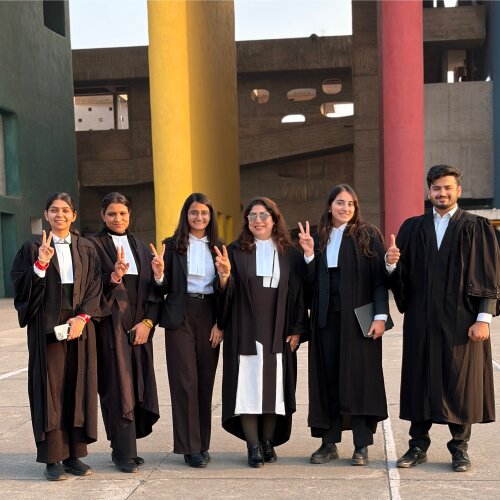
Legal Jurisdiction and Court Representation in Chandigarh
Navigating legal matters in the Union Territory of Chandigarh requires identifying whether your matter falls under the jurisdiction of the District Courts or the High Court. Trial-level proceedings, civil suits, matrimonial litigation, and criminal trials are instituted at the District and Sessions Courts Complex in Sector 43. In contrast, constitutional writ petitions, central service appeals, criminal revisions, first appeals, and anticipatory bail petitions against state orders are filed before the High Court of Punjab and Haryana at Sector 1.
Practicing legal professionals in India are designated as Advocates under the Advocates Act, 1961. To represent a client in court, an advocate must hold a valid enrollment number from the Bar Council of Punjab and Haryana and receive authorization via a signed Vakalatnama. Determining whether your dispute demands an advocate with trial court procedural focus or an experienced High Court appellate counsel is the first step toward effective legal resolution.
When to Engage an Advocate in Chandigarh
Litigation and legal advisory in the Tricity region (Chandigarh, Mohali, and Panchkula) involve distinct administrative and regulatory mechanisms. Engaging an advocate is critical across several local scenarios:
- Property and Estate Office Disputes: Addressing resumption notices, building violations, misuse penalties, and ownership transfers governed by the Chandigarh Estate Office under the Capital of Punjab (Development and Regulation) Act, 1952.
- Criminal Defense and Bail: Seeking pre-arrest or regular bail under the Bharatiya Nagarik Suraksha Sanhita, 2023 (BNSS), handling FIR quashing petitions under Section 528 of BNSS before the High Court, or managing trials before the Sector 43 Magistrate courts.
- Matrimonial and Custody Matters: Resolving maintenance claims, divorce petitions, and child custody applications before the Principal District and Sessions Judge (Family Court) in Sector 43, alongside court-mandated mediation sessions.
- Service and Employment Matters: Representing Punjab, Haryana, or Union Territory government employees, as well as defense personnel, before the Central Administrative Tribunal (CAT) Chandigarh Bench in Sector 17 or through Article 226 writ petitions before the High Court.
- Tenancy and Eviction Proceedings: Handling commercial and residential eviction petitions or rent revisions filed before the Rent Controller, Chandigarh.
- Motor Accident Claims and Insurance Litigation: Securing compensation before the Motor Accident Claims Tribunal (MACT) sitting at the Sector 43 District Court Complex.
Local Statutory Framework and Governing Courts
Chandigarh has a distinct legal architecture as a Union Territory and the joint capital of Punjab and Haryana. Legal disputes within its limits are governed by specialized local statutes alongside national laws:
- Criminal Proceedings: The Bharatiya Nyaya Sanhita, 2023 (substantive offenses), the Bharatiya Nagarik Suraksha Sanhita, 2023 (investigation, arrest, bail, and trial procedure), and the Bharatiya Sakshya Adhiniyam, 2023 (rules of evidence).
- Urban Property Regulations: The Capital of Punjab (Development and Regulation) Act, 1952, along with the Chandigarh Estate Rules, 2007, which regulate allotment, freehold conversion, and building bylaws for residential, commercial, and industrial plots.
- Tenancy Laws: The East Punjab Urban Rent Restriction Act, 1949, as extended to the Union Territory of Chandigarh, governing eviction grounds, fair rent determinations, and tenant rights through the designated Rent Controller.
- Professional Standards: The Advocates Act, 1961, administered locally by the Bar Council of Punjab and Haryana situated in Sector 37-A, which regulates professional conduct and licensure.
- Dispute Resolution: The Arbitration and Conciliation Act, 1996, and the Legal Services Authorities Act, 1987, governing alternative dispute resolution through the Chandigarh International Arbitration Centre and National Lok Adalats organized by the State Legal Services Authority.
Frequently Asked Questions
What is the difference between hiring an advocate for the District Court versus the High Court in Chandigarh?
District Court advocates in Sector 43 specialize in evidence recording, examination of witnesses, interlocutory injunctions, and original trial procedures. Advocates practicing at the High Court of Punjab and Haryana focus primarily on appellate review, regular second appeals, criminal revisions, and constitutional writ petitions under Articles 226 and 227 challenging administrative actions or lower court decrees.
How can I verify if an advocate is genuine and licensed to practice in Chandigarh?
You can verify an advocate credentials by requesting their Bar Council enrollment number (typically formatted as P/XXXX/YEAR) and confirming their status directly with the Bar Council of Punjab and Haryana in Sector 37-A. Practicing advocates also hold membership in the Punjab and Haryana High Court Bar Association or the District Bar Association, Chandigarh.
How much does it cost to hire an advocate in Chandigarh?
Legal fees depend on the court forum, complexity, and practitioner seniority. An initial legal consultation generally ranges from INR 1,500 to INR 5,000. In the Sector 43 District Court, drafting and handling a civil suit or criminal bail petition typically ranges from INR 20,000 to INR 75,000 for the full proceeding, or INR 2,000 to INR 10,000 per hearing. In the High Court, drafting and arguing a writ petition, anticipatory bail, or criminal appeal usually starts from INR 35,000 and can exceed INR 2,00,000 for senior counsel.
What is a Vakalatnama and why is it necessary?
A Vakalatnama is a formal legal authorization document executed by the litigant appointing an advocate to act, plead, submit documents, and represent their case before a judicial or quasi-judicial forum. Without a valid, stamped Vakalatnama filed on record, an advocate cannot appear or argue on your behalf in Indian courts.
Where are family and matrimonial disputes heard in Chandigarh?
Matrimonial proceedings, including mutual consent divorce under Section 13B of the Hindu Marriage Act, contested divorce, judicial separation, and child custody, are adjudicated by the Family Courts located in the District Courts Complex, Sector 43. These courts emphasize pre-litigation and post-filing mediation via the Mediation and Conciliation Centre.
How are property and allotment disputes handled against the Chandigarh Administration?
Disputes regarding allotment cancellation, transfer disputes, or building violation notices issued by the Estate Office (Sector 17) must initially follow statutory appeals before the Chief Administrator, Chandigarh. If relief is denied, an appeal or revision lies before the Advisor to the Administrator, Chandigarh, followed by a writ petition before the High Court of Punjab and Haryana.
Can I resolve landlord-tenant conflicts through the Rent Controller in Chandigarh?
Yes. Tenancy disputes within the municipal limits of Chandigarh are tried before the Rent Controller designated at the District Courts Complex, Sector 43. Grounds for eviction, non-payment of rent, bona fide personal necessity, and fair rent revisions must follow statutory applications rather than ordinary civil suits.
Who is eligible for free legal aid in Chandigarh?
Under Section 12 of the Legal Services Authorities Act, 1987, free legal representation is available to women, children, members of Scheduled Castes and Scheduled Tribes, persons with disabilities, victims of trafficking, persons in judicial custody, and individuals whose annual income falls below the prescribed statutory limit. Services can be accessed through the State Legal Services Authority (SLSA) UT Chandigarh in Sector 43.
What immediate steps should be taken if named in a criminal complaint or FIR?
Consult an advocate immediately to examine the allegations under the Bharatiya Nyaya Sanhita, 2023. If arrest is apprehended for a non-bailable offense, your advocate can file an anticipatory bail petition under Section 482 of the Bharatiya Nagarik Suraksha Sanhita, 2023 before the Sessions Court in Sector 43 or the High Court of Punjab and Haryana.
Where do government employees file service disputes in the Tricity?
Employees of the Central Government and Union Territory Administration must approach the Central Administrative Tribunal (CAT) Chandigarh Bench, located in Sector 17. Employees of the State Governments of Punjab and Haryana file their writ petitions directly before the High Court of Punjab and Haryana under Article 226 of the Constitution of India.
How long do civil and criminal trials take in Chandigarh courts?
Contested civil suits in the District Court generally take two to four years to conclude trial, depending on witness availability, evidence complexity, and interim stays. Bail applications and injunction hearings are resolved much faster, often within one to three weeks. High Court writ matters may receive an urgent hearing for interim stay within days of filing.
Official Legal and Administrative Resources
- District and Sessions Courts Chandigarh: Sector 43 Court Complex (ecourts.gov.in/chandigarh) for filing status, daily cause lists, and certified copy applications.
- High Court of Punjab and Haryana: Capitol Complex, Sector 1 (highcourtchd.gov.in) for writ petitions, appellate filings, and online case tracking.
- Bar Council of Punjab and Haryana: Law Bhawan, Sector 37-A, Chandigarh (barcouncilmah.org or regional portal) for verifying advocate credentials and registration rolls.
- State Legal Services Authority (SLSA), UT Chandigarh: District Courts Complex, Sector 43, providing free legal aid, Lok Adalat schedules, and legal literacy clinics.
- Chandigarh Estate Office: Sector 17, Chandigarh, for property records, conveyancing, mutation registries, and building violation appeals.
- Central Administrative Tribunal (CAT), Chandigarh Bench: Sector 17-C, Chandigarh, adjudicating central service and employment petitions.
Steps to Retain Legal Counsel in Chandigarh
- Collate Relevant Case Documentation: Assemble chronologically organized physical and digital copies of your documents, such as certified impugned orders, notices, registry deeds, communications, police reports, or contracts.
- Determine Judicial Forum: Identify whether the matter is an original complaint or trial (District Courts, Sector 43), an administrative challenge (Sector 17 authorities or CAT), or a constitutional or appellate petition (High Court, Sector 1).
- Schedule a Preliminary Legal Consultation: Meet the advocate to discuss case strategy, merits, limitation periods, expected timelines, and fee arrangements.
- Execute a Vakalatnama and Fee Memo: Formalize the engagement through a signed Vakalatnama and agree in writing upon the scope of work, including drafting charges, appearance fees per hearing, and miscellaneous clerkage or filing expenses.
- Obtain Case Filing Details: Once your petition or defense is instituted, obtain the filing dairy number, CNR number, and court allocation details to monitor hearing dates independently through the official e-Courts portal.
Lawzana helps you find the best lawyers and law firms in Chandigarh through a curated and pre-screened list of qualified legal professionals. Our platform offers rankings and detailed profiles of attorneys and law firms, allowing you to compare based on practice areas, experience, and client feedback.
Each profile includes a description of the firm's areas of practice, client reviews, team members and partners, year of establishment, spoken languages, office locations, contact information, social media presence, and any published articles or resources. Most firms on our platform speak English and are experienced in both local and international legal matters.
Get a quote from top-rated law firms in Chandigarh, India — quickly, securely, and without unnecessary hassle.
Disclaimer:
The information provided on this page is for general informational purposes only and does not constitute legal advice. While we strive to ensure the accuracy and relevance of the content, legal information may change over time, and interpretations of the law can vary. You should always consult with a qualified legal professional for advice specific to your situation.
We disclaim all liability for actions taken or not taken based on the content of this page. If you believe any information is incorrect or outdated, please contact us, and we will review and update it where appropriate.