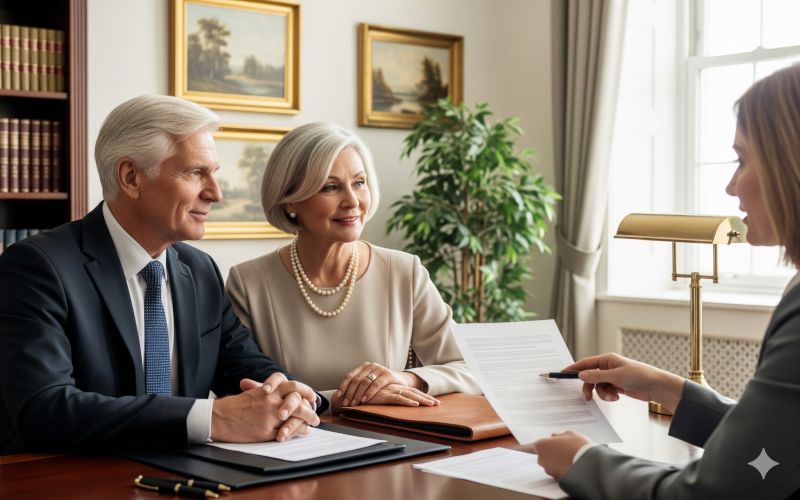
Overview: what hiring a lawyer in Ota, Japan typically looks like
In Ota, Japan, hiring an attorney usually starts with a consultation to confirm the facts, identify the applicable Japanese law, and estimate work scope. Many matters involve written submissions to Japanese authorities, negotiations with the other party, and document drafting in Japanese.
Depending on the case, a lawyer may handle procedures through local offices that serve Ota-area residents, such as municipal departments for permits, record changes, or required notifications. For civil and family matters, documentation and formal requests are central, while urgent disputes often require rapid drafting and settlement-oriented steps.
Fees are commonly discussed upfront and may involve an hourly arrangement, a fixed fee for certain filings, plus an additional success-related fee for some matters. In many cases, a lawyer will also explain evidence requirements, deadlines, and what the court and opposing counsel typically expect under Japanese procedure.
Why you may need a lawyer: common Ota-area scenarios
Family dispute and divorce-related negotiations: Agreements about custody arrangements, visitation, or spousal property division often require careful document preparation. A lawyer helps reduce misunderstandings that can later affect family court proceedings.
Debt recovery or unpaid invoices from local businesses: If a contract counterparty in Ota does not pay, legal action may be needed to formally demand payment. A lawyer can assess contract terms, evidence, and the most efficient procedural path.
Employment issues with an employer: Disputes about unpaid wages, dismissal, harassment claims, or wrongful termination frequently require legal analysis of Japanese labor rules and proof. Early legal advice can be important because deadlines and evidence preservation matter.
Traffic and personal injury compensation: Compensation discussions after accidents often involve injury documentation, causation issues, and insurance negotiations. A lawyer can help manage claims and prevent underpayment due to incomplete records.
Landlord-tenant conflicts: Disputes about rent arrears, eviction notices, or breach of lease terms can escalate quickly. Legal guidance is useful to confirm tenant rights and prepare responses consistent with Japanese practice.
Criminal investigations and hearings: When questioned by police or summoned for procedures, legal counsel is critical to protect rights and manage communications. Lawyers can coordinate how to respond and gather evidence.
Local laws overview: key Japanese rules that often come up
Act on Prohibition of Private Monopolization and Maintenance of Fair Trade (Antimonopoly Act) (effective date: 1947-04-14; consolidated amendments continue). This law frequently matters in business disputes involving competition, unfair dealing, or restrictive conduct, and it guides what conduct may be unlawful.
Civil Code of Japan (originally enacted in 1896; modern structure in use after major reforms). Core provisions on contracts, tort liability, and unjust enrichment are the backbone for many civil claims, including damages and repayment demands.
Act on the Protection of Personal Information (effective date: 2005-04-01; major revisions including the 2017 reform). Privacy and data-handling duties often affect employment, consumer claims, and disputes involving personal data.
Frequently asked questions
Do I need a lawyer in Ota, or can I handle the issue myself?
Many people start with a self-directed consultation or document review, but representation becomes important when deadlines, complex evidence, or negotiation breakdowns occur. In Japan, written demands and formal submissions can significantly affect outcomes, so legal review helps prevent procedural mistakes.
How does the first consultation usually work in Japan?
A lawyer typically reviews the facts, documents, and timeline, then explains possible legal grounds and expected procedures. Costs and a fee estimate are usually discussed before deeper work begins.
What documents should be prepared before contacting a lawyer?
Common items include contracts, letters, emails or messages, receipts, medical reports (for injury matters), and any official notices you received. Organizing a timeline of events supports faster legal assessment.
Are lawyer fees regulated in Japan?
Fees are generally set by the lawyer and the applicable fee rules they follow, but the market is not identical to every practice area. For some categories, professional guidelines exist, and courts or dispute-resolution bodies may reference typical fee structures.
Can fees be paid in installments?
Installments may be possible depending on the lawyer and the agreement. A written fee agreement (or engagement terms) should clearly state payment timing and what services are included.
What is the typical timeline for a civil dispute?
Timelines vary by case complexity and whether settlement is reached. Drafting and negotiation can take weeks to months, while court-related steps can extend further depending on hearings and document exchange.
Is settlement common before court steps?
In many disputes, lawyers attempt negotiation and settlement before formal proceedings. Settlement can reduce cost and time, but the legal strategy should still be aligned with evidentiary strengths.
Do Japanese lawyers represent clients in court?
Many legal matters that proceed to hearings in Japan are handled with attorney representation where appropriate. The role depends on the procedure and the specific claim type.
Can a lawyer contact the other side directly?
Yes, lawyers often communicate with the opposing party or counsel through formal letters, negotiation messages, and proposed terms. Direct contact by a lawyer can help keep communications accurate and consistent.
What happens if the case is urgent?
Urgent matters may require rapid drafting of demands, requests for evidence preservation, or immediate procedural steps. Fast action is especially important for disputes involving time-limited rights or deadlines.
How do I choose between multiple lawyers in Ota or the Greater Tokyo area?
Focus on the lawyer’s practice concentration, experience with similar issues, clarity about strategy, and transparency about fees and scope. Prioritize lawyers who explain realistic outcomes based on the documents and timeline.
Are consultations available in languages other than Japanese?
Some lawyers can support non-Japanese clients through bilingual ability or interpreter arrangements. Language availability varies, so it is important to confirm communication support before signing an engagement.
Official resources
- Japan Federation of Bar Associations (Nichibenren): Provides public information about finding attorneys and bar association services, including referral systems connected to the bar network.
- Tokyo Bar Association: Oversees bar activities for its jurisdiction and offers guidance for locating attorneys and using official legal services in the Tokyo area, which includes Ota.
- Ministry of Justice: Publishes official information on legal frameworks and court-related processes, and it supports public access to information about legal help in Japan.
Next steps
- Identify the exact dispute type and deadlines: Write a one-page timeline and list any official notices received. Estimate urgency based on any stated dates or time limits.
- Gather core documents: Collect the contract, communications, payment records, and any evidence supporting the key claims. Bring originals when possible and keep copies for your records.
- Check lawyer qualifications and focus: Shortlist attorneys who handle the relevant field (civil, family, employment, criminal, or administrative-adjacent disputes). Confirm how they charge and what their engagement includes.
- Request an initial consultation and fee explanation: Ask for an outline of likely steps, expected timeline, and which documents will be needed next. Ensure the fee structure and scope are provided in writing.
- Confirm procedure plan for Japan: The lawyer should explain the planned demands, negotiations, and whether court or other formal processes are likely. Avoid vague strategies without procedural details.
- Document authorization and communication: Ensure engagement terms specify how updates will be provided and who communicates with the other side. Clarify any need for translations or interpreters.
- Start evidence and action immediately: After agreement, ask for a concrete first action within days, such as drafting a demand letter or preparing filings. Track progress against the agreed timeline.
Lawzana helps you find the best lawyers and law firms in Ota through a curated and pre-screened list of qualified legal professionals. Our platform offers rankings and detailed profiles of attorneys and law firms, allowing you to compare based on practice areas, experience, and client feedback.
Each profile includes a description of the firm's areas of practice, client reviews, team members and partners, year of establishment, spoken languages, office locations, contact information, social media presence, and any published articles or resources. Most firms on our platform speak English and are experienced in both local and international legal matters.
Get a quote from top-rated law firms in Ota, Japan — quickly, securely, and without unnecessary hassle.
Disclaimer:
The information provided on this page is for general informational purposes only and does not constitute legal advice. While we strive to ensure the accuracy and relevance of the content, legal information may change over time, and interpretations of the law can vary. You should always consult with a qualified legal professional for advice specific to your situation.
We disclaim all liability for actions taken or not taken based on the content of this page. If you believe any information is incorrect or outdated, please contact us, and we will review and update it where appropriate.