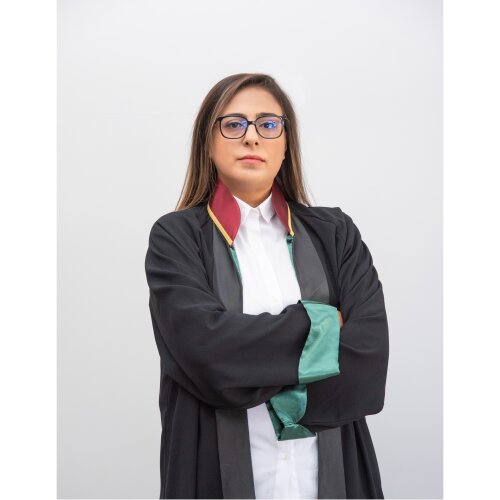
Do you need a lawyer for a notarial transaction in Fethiye?
Most routine notarial acts in Fethiye, such as certifying a signature or copy, can be completed without a lawyer. A lawyer is useful when the document could affect property, business, family, or financial rights, or when it must be used abroad.
Fethiye residents and visitors often need powers of attorney, certified translations, signature declarations, or vehicle-sale documents. A notary can formalize documents within the authority given by law, but cannot replace the Land Registry Directorate for transferring ownership of property.
For documents involving foreign parties, the process may also require a sworn translator, an apostille, or consular legalization. The requirements depend on the document’s origin, language, and intended use.
When a Fethiye lawyer can help
You are buying or selling a home or land and need to understand a power of attorney or a notarized promise to sell. The title transfer itself must be completed through the Land Registry Directorate.
You want someone in Fethiye to manage a property, rental, or business while you are abroad. A lawyer can help limit the power of attorney to specific tasks and confirm that its form suits the receiving institution.
You are a foreign national using a Turkish document abroad, or bringing a foreign document for use in Turkey. A lawyer can check whether translation, an apostille, or legalization is needed before you pay for notarization.
You are selling or buying a vehicle and are unsure what the notarial sale record or accompanying power of attorney permits. A lawyer can review the terms and flag obligations or risks before signing.
You need to serve a formal notice, such as a notice concerning a lease or unpaid contractual amount. A lawyer can help select the correct wording and method of service for the legal purpose.
You cannot attend in person because of travel, illness, or residence abroad. A lawyer can advise on a suitable representative and whether a foreign-issued power of attorney will be accepted in Turkey.
Turkish laws that govern notarial work
Notary Law No. 1512 (Noterlik Kanunu), published in the Official Gazette on 5 February 1972, sets out notaries’ duties and the formalities for notarial acts. It is the principal law governing notary offices in Fethiye, as elsewhere in Turkey.
Turkish Civil Code No. 4721 (Türk Medeni Kanunu) has been in force since 1 January 2002. Its rules on legal capacity, representation, and powers of attorney can affect whether a person may sign and what authority a representative can exercise.
Law on Fees No. 492 (Harçlar Kanunu), published on 17 July 1964, provides the statutory framework for public fees. Notarial charges depend on the transaction and the applicable fee schedule; translation and other expenses may be separate.
Frequently asked questions
Do I need a lawyer to use a notary in Fethiye?
Usually not for a routine signature certification, certified copy, or straightforward document. Consider legal advice if the document grants broad authority, concerns property or business, or affects your rights in another country.
Can a Fethiye notary transfer ownership of a house or land?
No. Property ownership transfers are registered through the relevant Land Registry Directorate. A notary may formalize certain related documents, such as a power of attorney or a promise to sell, but that does not itself complete the title transfer.
What should I bring to a notary?
Bring valid identification and the complete document or information needed for the transaction. Requirements vary, so check with the notary office in advance, especially if a representative, foreign document, or translator is involved.
Can a foreign national have a document notarized in Fethiye?
Foreign nationals can generally request notarial services using valid identification, subject to the requirements for the particular act. If the person does not understand Turkish, the notary may require interpretation or a sworn translator.
Can a document in English be notarized?
The notary may require a Turkish translation prepared or certified through an accepted translator. Ask the office what it requires before arranging a translation, because the rules can depend on the document and the transaction.
How can I use a Turkish notarized document abroad?
The receiving country may require an apostille or consular legalization, as well as a translation. Requirements depend on that country and the document type, so confirm them with the receiving authority before arranging certification.
How do I use a foreign power of attorney in Fethiye?
It may need an apostille or legalization and a Turkish translation before a Turkish institution will accept it. For property or other formal transactions, check the required wording and form with the receiving institution before the document is signed abroad.
How much do notarial services cost in Fethiye?
Charges depend on the type and length of the act, the applicable fee schedule, and any additional services. Translation, certification, and other expenses may be charged separately; ask the notary for the expected total before proceeding.
How long does a notarial transaction take?
A simple act may be completed during one visit if the documents and identification are in order. Translation, missing documents, or checks with another institution can add time, so allow extra time for transactions involving foreign documents.
Can I authorize someone else to act for me?
A power of attorney may allow a representative to act within the authority it grants. The required wording and formalities depend on the task, so check the receiving institution’s requirements before signing.
Can a lawyer prepare a document instead of a notary?
A lawyer can draft or review a document, but cannot replace a notarial act where the law or receiving institution requires one. Some transactions also require registration or another formal step outside the notary office.
Official resources in and around Fethiye
Turkish Notaries Union (Türkiye Noterler Birliği): Provides information about the notarial profession and can help locate notary offices and official guidance.
Fethiye District Governorship (Fethiye Kaymakamlığı): Can provide information on apostille procedures for eligible administrative documents issued in its district. Confirm the competent authority for the specific document before visiting.
Muğla Bar Association (Muğla Barosu): Provides information about the local legal profession and can help verify a lawyer’s professional standing.
Steps to find and hire a lawyer
Define the task. Identify the document, what it must accomplish, and where it will be used. This should take about 15 to 30 minutes.
Check whether a lawyer is needed. Contact the notary or receiving institution to confirm formal requirements; allow one or two working days if you need to make enquiries.
Find a locally admitted lawyer. Use the Muğla Bar Association to check professional standing and look for a lawyer who handles the relevant property, business, family, or cross-border issue. Allow one to three days to compare options.
Prepare the documents. Gather identification, drafts, relevant contracts, and any foreign documents. Ask the lawyer whether translation, apostille, or legalization is required before arranging it.
Agree the work and fee in writing. Confirm whether the lawyer will advise, draft, review, attend the notary, or handle follow-up with another institution. Ask what expenses are excluded from the legal fee.
Complete the formalities. Arrange the notary visit after the wording and supporting documents are ready. Allow additional time if translation, an apostille, or Land Registry processing is required.
Lawzana helps you find the best lawyers and law firms in Fethiye through our directory of legal professionals. Our platform offers rankings and detailed profiles of attorneys and law firms, allowing you to compare based on practice areas, including Notary Services, experience, and client feedback.
Each profile includes a description of the firm's areas of practice, client reviews, team members and partners, year of establishment, spoken languages, office locations, contact information, social media presence, and any published articles or resources. Most firms on our platform speak English and are experienced in both local and international legal matters.
Get a quote from top-rated law firms in Fethiye, Turkey — quickly, securely, and without unnecessary hassle.
Disclaimer:
The information provided on this page is for general informational purposes only and does not constitute legal advice. While we strive to ensure the accuracy and relevance of the content, legal information may change over time, and interpretations of the law can vary. You should always consult with a qualified legal professional for advice specific to your situation.
We disclaim all liability for actions taken or not taken based on the content of this page. If you believe any information is incorrect or outdated, please contact us, and we will review and update it where appropriate.