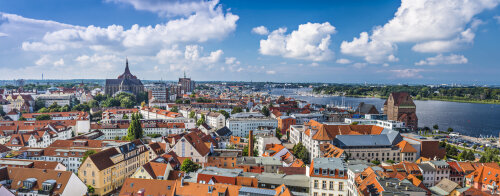
1. About Relocation Law in Rostock, Germany
Relocation law in Rostock, Germany is shaped by a combination of federal regulations and state procedures. For most residents moving to Rostock, the key rules concern residence status, registration, and housing rights. The relevant framework is primarily found in the Federal Residence Act (Aufenthaltsgesetz) and the Federal Registration Act (Bundesmeldegesetz), along with general civil and tenancy law.
When you relocate to Rostock for work, study, family reasons, or asylum related matters, your rights and obligations are determined mainly by federal law. Local procedures are implemented through Rostock’s city services, especially the citizen registration offices and the foreigners authority (Ausländerbehörde). Understanding these rules helps you avoid delays and protect your legal status during a move.
In Rostock, timely registration and proper permits can affect your ability to work, access services, and later apply for permanent residency. If you anticipate changes such as a job transfer, family joining you, or a change of address, consulting with a lawyer who understands both federal regulations and regional procedures can prevent common relocation pitfalls.
Key sources for the official texts and ongoing updates are the federal and state level legal portals. These documents guide how relocation and residency are handled in Rostock and throughout Germany.
Recent updates to the federal framework emphasize timely registration and clear pathways for residence and work rights for non‑EU nationals (AufenthG) and streamlined address registration requirements (BMG). See official texts for the current wording: https://www.gesetze-im-internet.de/aufenthg_2004/ and https://www.gesetze-im-internet.de/bmg/.
2. Why You May Need a Lawyer
- Non-EU employee relocating to Rostock for a new job requires a work and residence permit. An attorney can assess eligibility for an EU Blue Card or other residence permits, prepare the application, and coordinate with the Ausländerbehörde in Rostock to avoid delays.
- Student relocation to Rostock and visa requirements. If you are moving to study, you may need a student visa and a residence permit. A lawyer can help with document translation, enrollment verification, and permit renewals while you study.
- Registration problems after moving within Rostock. You must register your new address within a specified period. If your registration is delayed or rejected, legal counsel can liaise with the Bürgeramt and the foreigners authority to rectify the issue.
- Lease related relocation and eviction cases in Rostock. Tenants facing relocation due to landlord plans or rent changes may need advice on notice periods, deposits, and potential termination of tenancy agreements under BGB Mietrecht.
- Family reunification or dependent relocation to Rostock. Bringing a spouse, child or other dependents may require careful handling of residence permits and related paperwork, including timelines and documentation.
- Appeals or disputes against residency decisions by Rostock authorities. If the Ausländerbehörde or BAMF issues affect your status, a lawyer can guide you through appeals and hearings with proper deadlines and evidence.
3. Local Laws Overview
Rostock residents are governed by both federal laws and state administered procedures. The most relevant rules for relocation typically involve the residence process, address registration, and housing rights.
Aufenthaltsgesetz (AufenthG) governs residence status and work rights for foreign nationals in Germany. It covers temporary and permanent residence, family reunification, and the grounds for visa and permit issuance. For Rostock, this means coordinating with the Ausländerbehörde on permits appropriate to your situation.
Bundesmeldegesetz (BMG) requires registration of your address when you move to Rostock or within Rostock city limits. Registration is generally required within a short window after moving and is essential for accessing services, opening a bank account, and obtaining resident status documents. Fulfillment of this obligation is typically handled by the local registration office.
Bürgerliches Gesetzbuch (BGB) Mietrecht governs tenancy and housing matters that often intersect relocation. It includes rules on deposits, rental increases, notice periods for moving, and tenant protections during relocation to a new dwelling in Rostock.
Source for public law texts include the official legislation portals: AufenthG and BMG texts are accessible at https://www.gesetze-im-internet.de/aufenthg_2004/ and https://www.gesetze-im-internet.de/bmg/ respectively. These pages show current versions and recent amendments.
For practical application of registration obligations, see the general explanation of the Bundesmeldegesetz and how it integrates with local registration offices in Rostock on the national legal portal: https://www.gesetze-im-internet.de/bmg/.
4. Frequently Asked Questions
What is the purpose of the Aufenthaltsgesetz in Rostock and Germany?
The Aufenthaltsgesetz governs residence and work rights for foreign nationals, including permits, durations, and eligibility criteria. It sets the framework for who may stay, under what conditions, and how to obtain permanent residency.
How do I apply for a residence permit if I move to Rostock for work?
You apply through the local Ausländerbehörde with supporting documents such as passport, job contract, and proof of housing. Processing times vary by case and permit type, but delays can occur without complete documentation.
When must I register my new address after relocating to Rostock?
Registration is typically required within 14 days of moving. You must appear at the Einwohnermeldeamt or equivalent authority to complete the Anmeldung which is essential for services and permits.
Where can I find the current text of the Bundesmeldegesetz (BMG) for reference?
The official text is available at Gesetze im Internet under the Bundesmeldegesetz. This site provides the latest version and amendment history for verification.
Why might a relocation case involve a lawyer's help with an eviction or tenancy issue?
tenancy disputes can affect relocation timelines and housing rights. A lawyer can interpret tenancy laws, negotiate with landlords, and protect deposits and termination rights under BGB.
Can I appeal a decision from Rostock authorities about my residence status?
Yes, you can generally appeal decisions with prescribed deadlines. A relocation lawyer can help prepare appeals, gather evidence, and represent you in hearings or administrative reviews.
Do I need to hire a lawyer for a simple address change in Rostock?
Often not, but if your registration is rejected or there are complications with residency status, an attorney can help coordinate with authorities and prevent further delays.
How long does it typically take to obtain a Blue Card EU after moving to Rostock?
Processing times vary by workload and documentation. A lawyer can help prepare a complete application and advise on expected timelines based on the current Ausländerbehörde procedures.
What documents are commonly required when applying for a residence permit in Rostock?
Common documents include your passport, photos, proof of housing, employment contract or admission letter, and health insurance. Specific requirements depend on your visa type and status.
What is the difference between temporary and permanent residency in Rostock?
Temporary residency permits allow stay for a defined period, typically linked to employment or study. Permanent residency provides longer or indefinite rights after meeting residency and integration criteria.
Do I need a lawyer to assist with family reunification in Rostock?
If you pursue family reunification, a lawyer can help ensure documentation, timelines, and authority requirements are met precisely, reducing the risk of delays or denials.
5. Additional Resources
- Bundesamt für Migration und Flüchtlinge (BAMF) - Official federal resource for migration, asylum, and residence matters. https://www.bamf.de/
- Gesetze im Internet - Official portal for current German legal texts including AufenthG and BMG. https://www.gesetze-im-internet.de/
- Destatis - Federal Statistical Office providing migration and population statistics relevant to relocation planning. https://www.destatis.de/EN/Homepage.html
6. Next Steps
- Define your relocation goal and timeline. Clarify whether you are moving for work, study, family reasons, or asylum related matters, and set target dates.
- Assess your residence status needs. Determine if you need a work permit, student visa, or family reunification approval and identify the correct permit type.
- Gather essential documents. Collect passport copies, contracts, housing proof, health insurance, translations, and any prior residence records.
- Check registration requirements for Rostock. Confirm the registration deadline and locate the appropriate Einwohnermeldeamt or equivalent office for Anmeldung.
- Consult a relocation lawyer with German law experience. Schedule an initial consultation to review your case, documents, and potential outcomes.
- Prepare and submit applications with professional support. Work with your attorney to assemble the application package and coordinate with the Ausländerbehörde.
- Follow up and manage timelines. Track deadlines, respond to requests promptly, and adjust plans if authorities request additional information.
Lawzana helps you find the best lawyers and law firms in Rostock through a curated and pre-screened list of qualified legal professionals. Our platform offers rankings and detailed profiles of attorneys and law firms, allowing you to compare based on practice areas, including Relocation, experience, and client feedback.
Each profile includes a description of the firm's areas of practice, client reviews, team members and partners, year of establishment, spoken languages, office locations, contact information, social media presence, and any published articles or resources. Most firms on our platform speak English and are experienced in both local and international legal matters.
Get a quote from top-rated law firms in Rostock, Germany — quickly, securely, and without unnecessary hassle.
Disclaimer:
The information provided on this page is for general informational purposes only and does not constitute legal advice. While we strive to ensure the accuracy and relevance of the content, legal information may change over time, and interpretations of the law can vary. You should always consult with a qualified legal professional for advice specific to your situation.
We disclaim all liability for actions taken or not taken based on the content of this page. If you believe any information is incorrect or outdated, please contact us, and we will review and update it where appropriate.