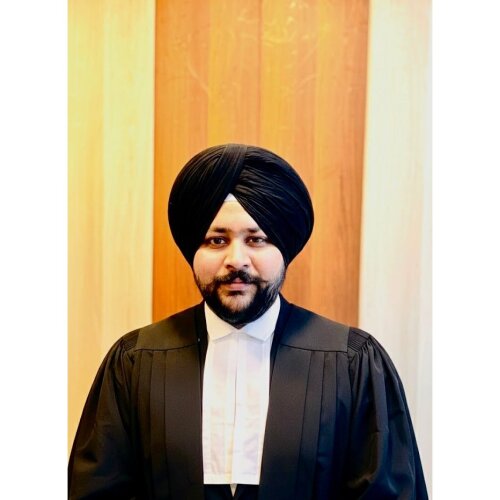
1. About Arrests & Searches Law in Samba, India
Samba is a district in the Union Territory of Jammu and Kashmir, where arrest and search operations are governed by national criminal law and region-specific orders. The core framework comes from the Code of Criminal Procedure, 1973, which sets out how arrests may be made, how searches are conducted, and how detention and bail are handled. In addition, Jammu and Kashmir legislation such as the Public Safety Act can apply in certain detention scenarios, subject to constitutional safeguards.
Following the Jammu and Kashmir Reorganisation Act, 2019, the region operates under a unified set of federal- and UT-level rules with enhanced police and judicial oversight. This means residents of Samba have access to the same fundamental rights as other Indian citizens, while some procedures reflect the special jurisdictional history of the area. It is important to understand both national and UT-specific rules when facing or advising on arrests and searches.
For anyone in Samba, the most relevant sources are official government texts and local police guidance. Always verify arrest rights, the need for warrants, and the availability of legal counsel using official government portals. These rules shape how quickly a person should be produced before a magistrate and how searches must be conducted.
“The CrPC requires that an arrestee be informed of the grounds of arrest and have the opportunity to consult a lawyer.”
Source: National Legal Services Authority and Jammu and Kashmir Police
2. Why You May Need a Lawyer
1) You or a family member is arrested in Samba on a criminal charge and you need immediate legal counsel to protect rights. A lawyer can explain grounds of arrest, ensure proper document disclosure, and arrange bail if eligible. In Samba, timely local representation matters because police procedures can vary by district and officer on duty.
2) Police conduct a search at your residence without a warrant or proper grounds. An attorney can verify compliance with CrPC sections governing searches and challenge unlawful searches in court if necessary. Local counsel can also guide you on preserving evidence and protecting privacy rights.
3) You receive a notice of remand or prolonged detention under PSA or similar orders. A lawyer can assess whether detention is lawful, pursue speedy judicial review, and explore release options within the statutory time frames. In Samba, PSA cases require careful statutory navigation and rights confirmation.
4) You are approached for interrogation without a lawyer present. An attorney can request presence during questioning and ensure that statements are voluntary and authenticated. This is crucial for later proceedings and for avoiding coercive practices.
5) You face bail difficulties after arrest. A local legal counsel can file for bail, present supporting materials, and negotiate conditions that allow for release while the case proceeds. Bail timelines in Samba can hinge on magistrate availability and police compliance with procedural norms.
6) You need guidance on rights under constitutional protections, such as Article 22 and related CrPC provisions, and how these rights apply to arrests and searches in Samba. A lawyer can explain remedies for rights violations and potential civil or criminal responses for misconduct.
3. Local Laws Overview
Code of Criminal Procedure, 1973 (CrPC) governs arrests, searches, remand, and bail across India, including Samba. Key provisions concern arrest without warrants, informing the arrestee of grounds, and the right to legal counsel. In Samba, as throughout Jammu and Kashmir UT, practitioners reference CrPC sections related to arrest and search procedures and the compulsory appearance before a magistrate within 24 hours of arrest.
Public Safety Act, 1978 (PSA) is applicable in Jammu and Kashmir for certain detentions beyond regular criminal process. PSA allows detention without trial for up to two years in certain cases, subject to judicial review and periodic assessments. Samba residents may encounter PSA in high-stakes security matters or cases involving public order concerns, with strong emphasis on procedural safeguards.
Jammu and Kashmir Reorganisation Act, 2019 reorganized the state into the Union Territory of Jammu and Kashmir and the union territory of Ladakh. The act took effect on its date of implementation in 2019 and shapes how policing, legal procedures, and judicial oversight operate in Samba. This reform centralizes certain powers while preserving fundamental rights for arrestees.
Other relevant protections include constitutional guarantees under Article 21 and Article 22, together with procedural norms in CrPC and High Court rules. Official sources provide the most reliable guidance for these provisions and their application in Samba. For authoritative text, consult the official legislation and government portals linked below.
Source: Code of Criminal Procedure, 1973 (CrPC) - official source, Public Safety Act, 1978 (PSA) - official source, Jammu and Kashmir Reorganisation Act, 2019 - official source
4. Frequently Asked Questions
What is the basic right of an arrested person in Samba?
Arrested individuals must be informed of the grounds for arrest and have the right to consult an attorney. They may also request a copy of the arrest memo and be produced before a magistrate within 24 hours. These protections help ensure fair treatment during arrest in Samba.
How do I request legal aid if I cannot afford a lawyer in Samba?
Contact the local district legal services authority in Samba for free legal aid if you qualify. Eligibility is typically based on income and case type, and the program aims to ensure access to counsel for those without resources.
When can police arrest someone without a warrant in Samba?
Police may arrest without a warrant in specific scenarios defined by CrPC, such as in cases of cognizable offenses with probable cause. The arrestee must be informed of grounds and have an opportunity to consult a lawyer as soon as feasible.
Where can I file a complaint if my rights were violated during arrest in Samba?
You can file a complaint with the local police supervisory authorities or approach the district magistrate. If needed, you may also contact the National Human Rights Commission or the State Human Rights Commission for escalation.
Why is it important to hire a local lawyer in Samba for arrests?
A local lawyer understands the district court rules, police practices, and procedural timelines specific to Samba. This knowledge can facilitate faster bail, accurate rights protection, and better preparation for court hearings.
Can the Public Safety Act be used to detain a person in Samba?
Yes, PSA detentions can occur in certain circumstances in Jammu and Kashmir, including Samba. These detentions require judicial review and strict adherence to statutory safeguards and due process.
Should I provide a statement to police at the time of arrest?
It is advisable to consult with a lawyer before making any statements. A lawyer can guide you on what is safe to say and how to avoid self-incrimination while protecting your rights.
Do I need to be produced before a magistrate within 24 hours in Samba?
Yes, under CrPC norms, an arrested person should generally be presented before a magistrate within 24 hours. Exceptions may apply under certain circumstances and with proper judicial authorization.
Is it possible to challenge an illegal search in Samba?
Yes, if a search is conducted without proper grounds or a warrant as required by CrPC, you can challenge the legality of the search in court. A lawyer can help file suppression or exclusion motions if evidence was obtained unlawfully.
How long can interrogation last in Samba before a magistrate intervenes?
Interrogation should be reasonable and not amount to coercion. The magistrate must be involved promptly for remand decisions, and prolonged or coercive interrogations can be challenged as rights violations.
What is the difference between bail and release in Samba?
Bail is a legal mechanism to secure temporary release pending trial, usually with conditions. Release may occur on personal recognition or other conditions if the court determines no risk of flight or interference with proceedings.
5. Additional Resources
National Legal Services Authority (NLSA) - Provides free legal aid and information about rights of arrestees; useful for qualifying individuals in Samba. nalsa.gov.in
Jammu and Kashmir Police - Official police portal with guidelines on arrest procedures, citizen rights, and complaint channels within the UT. jkpolice.gov.in
High Court of Jammu & Kashmir, Ladakh - Official court resources, case management, and guidance on bail, remand, and legal remedies in the UT. jkhighcourt.nic.in
6. Next Steps
- Identify the nature of the arrest or search issue you face and gather all documents, including arrest warrants, notice copies, search memos, and any communication from police or courts.
- Consult a local criminal-defense attorney in Samba with experience in CrPC matters and UT-specific procedures. Schedule an initial consultation to discuss rights and strategy.
- Ask about the lawyer’s track record with bail applications, PSA cases, and searches in Samba or nearby districts. Request a clear fee structure and retainer agreement.
- Prepare questions for the first meeting, including timelines for bail hearings, expected court dates, and potential remedies for rights violations.
- Provide your attorney with all materials and a timeline of events to help them build a defense plan and anticipate magistrate expectations.
- Monitor local court calendars for Samba and ensure attendance at all hearings. Your lawyer can notify you of any urgent filings or remand decisions.
- Follow your lawyer’s guidance on any statement you may give to authorities, admissibility of evidence, and rights during interrogation or further inquiries.
Lawzana helps you find the best lawyers and law firms in Samba through a curated and pre-screened list of qualified legal professionals. Our platform offers rankings and detailed profiles of attorneys and law firms, allowing you to compare based on practice areas, including Arrests & Searches, experience, and client feedback.
Each profile includes a description of the firm's areas of practice, client reviews, team members and partners, year of establishment, spoken languages, office locations, contact information, social media presence, and any published articles or resources. Most firms on our platform speak English and are experienced in both local and international legal matters.
Get a quote from top-rated law firms in Samba, India — quickly, securely, and without unnecessary hassle.
Disclaimer:
The information provided on this page is for general informational purposes only and does not constitute legal advice. While we strive to ensure the accuracy and relevance of the content, legal information may change over time, and interpretations of the law can vary. You should always consult with a qualified legal professional for advice specific to your situation.
We disclaim all liability for actions taken or not taken based on the content of this page. If you believe any information is incorrect or outdated, please contact us, and we will review and update it where appropriate.