


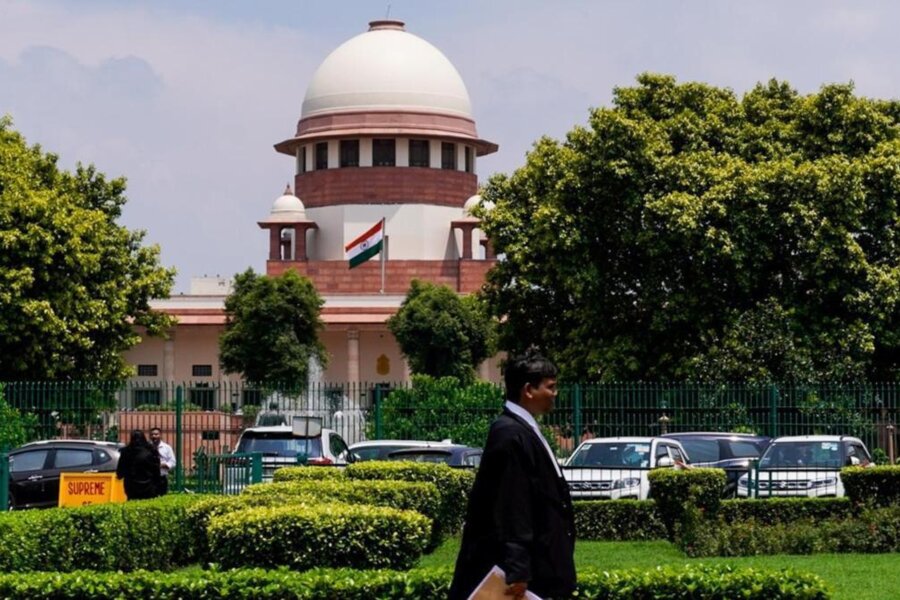
Addressing a constitutional crisis involving Governors withholding assent to state legislation, the Supreme Court of India issued a landmark advisory opinion clarifying the limits of gubernatorial power. The reference arose from conflicts in opposition-ruled states where Governors were accused of using "pocket vetos" to stall governance. The Union Government argued that Governors, as high constitutional authorities, could not be subjected to judicial timetables regarding their assent to Bills.
While the Court agreed that it could not rewrite the Constitution to insert rigid deadlines, it firmly rejected the notion that the phrase "as soon as possible" in Article 200 allows for indefinite delay. The Constitution Bench ruled that "prolonged, unexplained, and indefinite inaction" is justiciable and subject to limited judicial review. The judgment was hailed as a victory against federal overreach by state leaders, establishing that a Governor's silence cannot equate to a veto.
Source: The Hindu