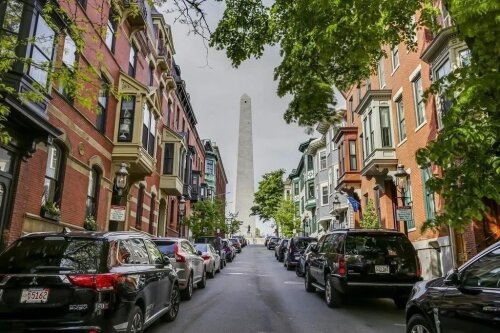
1. About Aviation Law in Charlestown, United States
In Charlestown, aviation law operates on three layers: federal regulation that governs air safety and airspace, state level oversight, and local ordinances that address noise, land use, and airport zoning. The Federal Aviation Administration (FAA) sets the baseline rules for all pilots and drone operators in the United States. Local officials in Charlestown may also implement zoning and noise rules near airports and flight paths that affect residents and businesses.
The National Transportation Safety Board (NTSB) independently investigates aviation accidents and issues safety recommendations that can influence regulations and local practices over time. Rhode Island state agencies, led by the Rhode Island Department of Transportation (RIDOT), provide oversight for state airports and aviation programs that intersect with Charlestown’s residents and economy. Together, these layers shape how airlines, pilots, and drone operators work within Charlestown.
Recent trends in Charlestown reflect nationwide shifts in aviation, including expanded drone use for real estate, surveying, and agriculture, along with stronger requirements for drone Remote Identification and compliance with Part 107. The FAA has issued remote ID rules and updates to drone operations to improve accountability and safety in communities like Charlestown. These changes affect individuals and businesses that fly drones over or near Charlestown properties.
Key regulations governing all U.S. airspace include 14 CFR Part 91 (General Operating Rules) and 14 CFR Part 107 (Small Unmanned Aircraft Systems).
14 CFR Part 91 - General Operating Rules - defines how all aircraft must be operated in the United States, including Charlestown airspace. 14 CFR Part 107 - governs commercial drone operations and remote identification requirements that impact Charlestown drone pilots. For remote identification specifics, see the FAA guidance at faa.gov.
Practical takeaway for Charlestown residents: expect federal rules to drive most aviation decisions, with local zoning and noise rules shaping where and how aircraft and drones may operate near homes and businesses. Always verify current local rules with Charlestown’s official channels to ensure compliance alongside federal requirements.
2. Why You May Need a Lawyer
- You are facing an FAA enforcement action for drone operations near Charlestown, such as flying in restricted airspace or beyond visual line of sight, and you need legal guidance to respond and potentially contest or mitigate penalties.
- You live near a municipal airport or flight path in Charlestown and have received a noise complaint or zoning citation related to aviation activity, requiring local ordinance interpretation and negotiation with authorities.
- You are entering a commercial venture that uses aircraft or drones in Charlestown, such as aerial photography or agricultural spraying, and you need help negotiating contracts, permits, and regulatory compliance.
- Aviation-related accidents or incidents occur on Charlestown property, triggering NTSB involvement or insurance disputes, and you require representation to protect rights and preserve evidence.
- You are a pilot or drone operator facing licensing, medical, or certificate issues with the FAA while residing in Charlestown, needing guidance through the administrative process and possible appeals.
- You want to lease, purchase, or operate an aircraft or flight school in Charlestown and need contract review to address liability, maintenance, and safety obligations.
In Charlestown, an attorney experienced in aviation law can help with federal regulatory navigation, interactions with state and local authorities, and coordination with insurance and accident investigations. A local counsel who understands Charlestown’s zoning and permitting processes can streamline compliance and reduce risk. When faced with a complex aviation matter, early legal consultation often improves outcomes.
3. Local Laws Overview
At the national level, federal aviation regulations set the baseline for operations in Charlestown. Two primary regulatory frameworks commonly encountered are 14 CFR Part 91 and 14 CFR Part 107, which cover general aviation operations and small unmanned aircraft systems respectively. These rules apply to most activities taking place in Charlestown’s airspace.
Additionally, the FAA’s safety and airspace administration rules are complemented by the 49 U.S.C. § 44701 authority, under which the FAA regulates air safety, licensing, and operational standards nationwide, including activities conducted in Charlestown. Local and state authorities may implement noise and zoning measures that affect where and how aviation activities can occur within Charlestown limits.
Recent regulatory developments in this area include the FAA Remote Identification (Remote ID) rule for drones, with initial Part 107 operations and a formal remote ID requirement becoming effective in phases, culminating in full compliance by late 2023. For Charlestown stakeholders, this means increased record keeping, equipment standards, and potential enforcement for non compliant drone operators. See official sources for the precise dates and obligations.
Useful official references:
Note: For Charlestown residents, local regulations may be posted on the Charlestown Town Code and the Charlestown official website. Verify with the Town Clerk or Planning Department to identify any airport overlay districts or noise ordinances that affect aviation activities in your area.
4. Frequently Asked Questions
What is the role of the FAA in Charlestown aviation disputes?
The FAA sets nationwide aviation rules that apply in Charlestown, including airspace and safety standards. Local issues may require interaction with Charlestown officials or the Rhode Island aviation program. An attorney can help you interpret the applicable federal rules and coordinate with local authorities.
How do I know if my drone operation needs a remote ID in Charlestown?
Most small UAS operations must meet Remote ID requirements under the FAA. If you fly a drone weighing more than 0.55 pounds for commercial or public purposes, you likely need Remote ID. Always check the latest FAA guidance before operating in Charlestown.
When can I appeal an FAA enforcement action in Charlestown?
You can generally appeal through the FAA's administrative process or request a hearing, depending on the action. An aviation attorney can help you prepare your response, gather evidence, and present arguments effectively. Timelines are specific to the action taken.
Where can I find Charlestown zoning rules relevant to airports?
Charlestown’s zoning rules are published on the town's official site and code portals. Look for sections addressing airport zoning, noise, and land use near flight paths. A local attorney can interpret these provisions and advise on compliance strategies.
Why might I need a local aviation attorney in Charlestown for a crash investigation?
NTSB investigations involve complex evidence and regulatory implications. An attorney can protect your rights, coordinate with investigators, and preserve relevant records. Local counsel who understands Charlestown's regulatory environment can streamline the process.
Do I need a pilot's license to fly a drone for commercial purposes in Charlestown?
For commercial drone work, you typically need a Remote Pilot Certificate under Part 107. This ensures you can operate legally and responsibly in Charlestown. A lawyer can help with licensing questions and compliance.
How much can I expect to pay for aviation legal services in Charlestown?
Costs vary by matter and attorney experience. Common structures include hourly rates or flat fees for specific tasks. Many aviation cases require an initial consultation to estimate potential costs and timelines.
How long does an FAA enforcement action usually take in Charlestown?
Timeline depends on the complexity of the case, evidence availability, and agency workloads. Typical actions can span weeks to months, with possible extensions for hearings or appeals. An attorney helps manage deadlines and communication.
Do I need a local attorney in Charlestown to handle NTSB investigations?
NTSB investigations are technical and formal. A local aviation attorney can coordinate with investigators, review evidence, and advise on protective steps for your rights. Local knowledge helps address regional factors and resources.
What is the difference between drone and manned aircraft rules in Charlestown?
Drone rules fall under Part 107 or related remote ID rules, while manned aircraft follow Part 91 and airspace rules. In Charlestown, both tracks interact in shared airspace, making compliance with both sets essential. An attorney can help reconcile obligations on a case by case basis.
Is there a Charlestown specific airport overlay or zoning I should know about?
Some municipalities adopt airport overlay zones to govern land use near airports. Check Charlestown’s town code and planning department for current overlay provisions. A lawyer can verify applicability to your property or project.
Can I pursue compensation for damages after an aviation incident in Charlestown?
Yes, if you have proven negligence or liability against a party connected to the incident. An aviation attorney can evaluate insurance coverage, fault, and causation, and help pursue a claim in appropriate forums.
5. Additional Resources
Useful official resources for aviation in Charlestown include:
6. Next Steps
- Clarify your issue and gather all relevant documents, including notices from the FAA, lease agreements, and any local permit decisions related to aviation in Charlestown. Plan to have copies ready for a consultation within 1-2 weeks.
- Confirm the jurisdiction and scope of the matter. If it involves Charlestown, Rhode Island, identify the municipal and state agencies involved and their deadlines. Create a timeline to track actions and responses over the next 4-8 weeks.
- Identify an aviation law attorney with experience in Charlestown or Rhode Island aviation matters. Request a brief confidential consultation to discuss potential strategies and costs. Expect to receive a written engagement plan after the meeting.
- Prepare for the initial consultation by organizing all communications, photographs, contracts, and any regulatory notices. Bring questions about timing, costs, and likely outcomes specific to Charlestown regulations.
- During representation, develop a clear plan with milestones. This should include timelines for filings, responses to FAA or NTSB actions, and any necessary negotiations with local authorities.
- Communicate regularly with your attorney about new developments in federal drone rules, Charlestown zoning updates, or Rhode Island aviation programs. Consider requesting periodic status updates every 2-4 weeks.
- If needed, pursue a timely appeal, negotiation, or administrative action. Your attorney can coordinate with federal and local authorities to safeguard your rights and seek a favorable resolution.
Lawzana helps you find the best lawyers and law firms in Charlestown through a curated and pre-screened list of qualified legal professionals. Our platform offers rankings and detailed profiles of attorneys and law firms, allowing you to compare based on practice areas, including Aviation, experience, and client feedback.
Each profile includes a description of the firm's areas of practice, client reviews, team members and partners, year of establishment, spoken languages, office locations, contact information, social media presence, and any published articles or resources. Most firms on our platform speak English and are experienced in both local and international legal matters.
Get a quote from top-rated law firms in Charlestown, United States — quickly, securely, and without unnecessary hassle.
Disclaimer:
The information provided on this page is for general informational purposes only and does not constitute legal advice. While we strive to ensure the accuracy and relevance of the content, legal information may change over time, and interpretations of the law can vary. You should always consult with a qualified legal professional for advice specific to your situation.
We disclaim all liability for actions taken or not taken based on the content of this page. If you believe any information is incorrect or outdated, please contact us, and we will review and update it where appropriate.