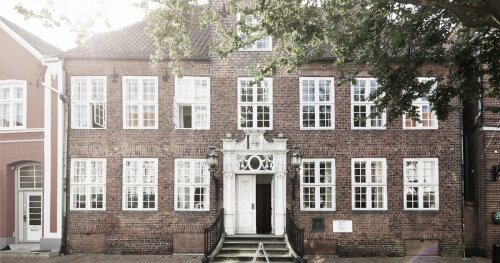
About Child Custody Law in Tønder, Denmark
In Denmark, child custody is primarily addressed through the concepts of forældremyndighed (parental authority) and samvær (visitation). In Tønder, as in the rest of the country, decisions about where a child lives and how they spend time with each parent are guided by national laws and processed through the Danish family court system. The central aim is to protect the child’s best interests while facilitating ongoing contact with both parents whenever possible. Local nuances arise from municipal services and the child’s schooling arrangements within Tønder Kommune.
Most custody matters start with a voluntary agreement between parents or mediation, but may proceed to a court if an agreement cannot be reached or if immediate protection is required. The process is supported by the national agency Familieretshuset, which handles petitions and case administration for parental authority and custody. Understanding the core terms and pathways helps residents of Tønder navigate the system more effectively.
Why You May Need a Lawyer
Working with a lawyer can clarify your rights and improve outcomes in complex situations. The following real-world scenarios in Tønder commonly require legal counsel.
- A parent in Tønder wants sole custody due to concerns about the other parent’s alcohol use and its impact on the child’s safety at home.
- A parent plans to relocate from Tønder to another country or region and needs permission or needs to modify custody and visitation arrangements.
- Disputes arise over which school the child should attend and where the child should primarily live within the Tønder municipality.
- There are allegations of risk of domestic violence or child safety concerns requiring temporary orders or emergency protective measures.
- One parent suspects influence of a new partner on the child’s well-being and seeks a reassessment of parental authority or contact schedules.
- Cross-border custody issues involve moving a child to Germany or another EU country, triggering Brussels IIa regulations and jurisdiction questions.
Local Laws Overview
The key Danish statute governing custody is Lov om forældremyndighed og samvær med børn, which sets out parental authority, the rights and duties of parents, and the framework for visitation. The statute emphasizes the child’s best interests and supports mediation and settlement where feasible. For procedural matters, the Danish Civil Procedure framework (Retsplejeloven) governs how family cases are heard in courts, including interim orders and appeals.
In cross-border or international situations, EU rules such as the Brussels IIa Regulation influence jurisdiction and recognition of custody decisions across borders, which is relevant for residents of Tønder near the Danish-German border. The local administration routes these cases through the national agency Familieretshuset, and courts in the Danish system handle the ultimate decisions after review.
Key sources for these topics include:
- Familieretshuset for parental authority and custody case processing.
- Borger.dk for public information on forældremyndighed and samvær.
- Retsinformation for the official texts of Lov om forældremyndighed og samvær og Retsplejeloven.
- Statistics Denmark for relevant family law statistics and context.
- Brussels IIa Regulation (EU) on jurisdiction and parental responsibility for cross-border issues.
Recent changes in Danish family law emphasize accessible information, mediation efforts, and centralization of case handling through Familieretshuset, with ongoing updates published in Retsinformation and on official portals. Always check the latest text and guidance on the cited official sites to ensure you have the current rules and procedures applicable to Tønder.
Frequently Asked Questions
What is forældremyndighed and how does it affect custody in Denmark?
Forældremyndighed is the legal authority to make decisions for a child, including education, health, and welfare. It can be held jointly or solely by one parent, with courts prioritizing the child’s best interests and the child’s needs for stability and security.
How do I apply for custody or modify an arrangement in Tønder?
Begin by contacting Familieretshuset to file a petition for parental authority or a modification. You may also use Borger.dk to gather required documents and find local resources before submitting a formal request.
Do I need a lawyer for a custody case in Denmark?
Hiring a solicitor or attorney is not required but highly advisable for complex issues, such as safety concerns, relocation, or cross-border matters. A lawyer helps prepare filings, present evidence, and negotiate settlements.
How much does a custody case cost in Denmark?
Costs include court fees, potential lawyer fees, and mediation or expert costs if needed. If you qualify for legal aid in Denmark, some costs may be subsidized; your lawyer can explain eligibility and formats.
How long does a custody case typically take in Denmark?
Timelines vary with complexity. Simple mediation may resolve in a few months, while contested cases can extend to several months or longer, particularly if appeals are involved.
Can I move my child to another city or country after custody is established?
Relocation requires consent from the other parent or a court order. Material changes in circumstances, such as a job move or safety concerns, are considered by the court in deciding custody and visitation plans.
Should I try mediation before going to court?
Yes. Mediation is encouraged to reach agreements without court proceedings. If mediation fails, you can proceed with a legal petition through Familieretshuset and the courts.
Do I need to prove risk or danger to obtain sole custody?
If there is a risk to the child, you can seek interim protection and safety measures. The court considers risk alongside stability, the child’s best interests, and the parents’ ability to provide a safe home.
Is joint custody the default arrangement in Denmark?
Joint custody is common and often preferred, but the court can award sole custody if it serves the child’s best interests or if joint custody is impractical due to safety or significant disputes.
How is child support handled in custody cases?
Child support is typically determined separately or alongside custody decisions, taking into account both parents’ incomes, the child’s needs, and shared parenting time where applicable.
Can I appeal a custody decision in Denmark?
Yes, decisions from district courts can be appealed to the regional appeal court. There are specific time limits for filing an appeal and criteria the court will review.
Can cross-border custody issues be handled in Tønder?
Cross-border matters may involve Brussels IIa rules and EU cooperation. Initial steps and filings may occur in Denmark, with coordination with authorities in other countries as needed.
Additional Resources
- Familieretshuset - Danish central agency handling parental authority, custody, and related family law matters; provides petitions, mediation options, and case status updates. www.familieretshuset.dk
- Borger.dk - Official government portal with step-by-step information on forældremyndighed, samvær, SOPs for filing, and how to prepare for hearings. www.borger.dk
- Retsinformation - Official texts of the Lov om forældremyndighed og samvær and the Civil Procedure Act; essential for understanding current law and amendments. www.retsinformation.dk
Next Steps
- Identify your objectives and collect documentation - Gather birth certificates, custody orders, school records, medical notes, and any safety concerns. This helps clarify what you seek in mediation or court.
- Research local counsel and services in Tønder - Look for lawyers with family law experience and familiarity with municipal services in Southern Denmark. Prioritize those who offer initial consultations.
- Check qualifications and specialties - Verify that the attorney is a member of the Danish Bar and Law Society (Advokatsamfundet) and focuses on forældremyndighed and samvær matters. Ask about prior cases similar to yours.
- Schedule a consultation and prepare questions - Inquire about strategy, potential mediation, timelines, and expected costs. Bring your documents and a list of concerns.
- Discuss fees and payment structure - Understand hourly rates, retainer requirements, and potential costs for mediation, experts, or translations if relevant.
- Decide a course of action - Choose between mediation, negotiated settlement, or court action based on your goals and the other party’s responsiveness.
- File with Familieretshuset or the appropriate court - If needed, your lawyer will prepare and submit petitions for parental authority, custody modifications, or interim orders. Expect initial action within 1-4 weeks depending on urgency.
Lawzana helps you find the best lawyers and law firms in Tønder through a curated and pre-screened list of qualified legal professionals. Our platform offers rankings and detailed profiles of attorneys and law firms, allowing you to compare based on practice areas, including Child Custody, experience, and client feedback.
Each profile includes a description of the firm's areas of practice, client reviews, team members and partners, year of establishment, spoken languages, office locations, contact information, social media presence, and any published articles or resources. Most firms on our platform speak English and are experienced in both local and international legal matters.
Get a quote from top-rated law firms in Tønder, Denmark — quickly, securely, and without unnecessary hassle.
Disclaimer:
The information provided on this page is for general informational purposes only and does not constitute legal advice. While we strive to ensure the accuracy and relevance of the content, legal information may change over time, and interpretations of the law can vary. You should always consult with a qualified legal professional for advice specific to your situation.
We disclaim all liability for actions taken or not taken based on the content of this page. If you believe any information is incorrect or outdated, please contact us, and we will review and update it where appropriate.