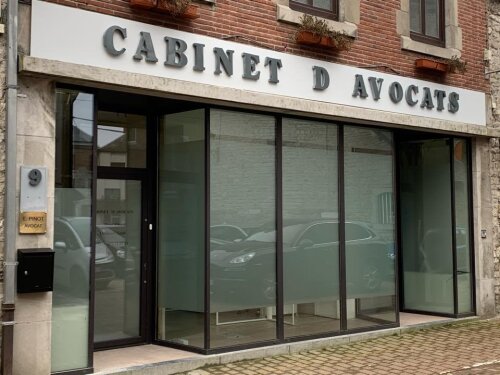
About Collaborative Law in Florennes, Belgium
Collaborative Law is a voluntary, non adversarial approach to resolving family disputes such as divorce, child custody, and asset division. In Florennes, it involves a team of professionals who commit to helping the parties reach a settlement without going to court. The process emphasizes open communication, voluntary disclosure, and written agreements crafted with input from both parties and their counsel.
Practitioners in Florennes typically work with two lawyers, a neutral financial expert, and often a mental health professional or mediator. The goal is to preserve relationships and reduce the stress of litigation for families in Namur Province and the wider Wallonia region. If the parties later need to litigate, the collaborative agreement generally requires the lawyers to withdraw from the case and the parties to hire new counsel.
Why You May Need a Lawyer
These are concrete, Florennes specific scenarios where a Collaborative Law attorney can be essential. They reflect common local circumstances faced by families in Namur and surrounding communities.
- A couple operates a family farm near Florennes and must decide on inheritance and farm succession while keeping the business viable for the next generation.
- Parenting time arrangements for a child with special needs require coordinated educational plans, medical care, and transportation logistics across Namur and neighboring municipalities.
- One partner owns a small business in Florennes and the partners disagree on how to value or divide the business interests in a divorce.
- There are assets in both Belgium and France, and the couple needs a cross border strategy that minimizes tax exposure and logistical complexity while protecting children.
- There is a risk of domestic violence or safety concerns, and the parties want a structured, non confrontational process with safety planning built in.
- There is a long history of mistrust, with a need for strict confidentiality and a formal process for financial disclosure without triggering a court fight.
Local Laws Overview
Belgium does not always regulate Collaborative Law as a distinct statutory procedure, but it operates within a framework of mediation and family law. The following laws and regulations influence how Collaborative Law is practiced in Florennes and across Wallonia.
- Law of 4 July 2005 on mediation in civil and commercial matters - This law establishes the general framework for mediation, including confidentiality, voluntary participation, and the role of mediators in civil disputes. It provides the basis for collaborative style negotiations even when a formal mediation is not used. Effective date: 4 July 2005, with subsequent amendments to broaden mediation use in Belgium.
- Directive 2008/52/EC on mediation in civil and commercial matters - An EU directive that Belgium implemented to encourage mediation across member states. It informs how Belgian lawyers structure collaborative processes, disclosure duties, and inclusion of experts, particularly in cross border cases. Date of adoption: 21 May 2008; national transposition completed in the following years.
- Belgian Code of Civil Procedure (Code judiciaire) - General procedural framework for family disputes - While not a stand alone Collaborative Law statute, the Code judiciaire governs how marital and familial matters may proceed, and it informs how collaborative settlements interact with potential court action. The Code is periodically updated; practitioners in Florennes reference current articles relevant to amicable settlements and mediation in family matters. Ongoing updates occur as part of Belgium's civil procedure reforms.
Note for Florennes residents: local practice may vary by the Namur judicial arrondissement and by the law firms that promote collaborative practice. Always verify the specific lawyer's training in collaborative law and confirm that your agreement includes a written collaborative participation clause. See official government resources for mediation and dispute resolution for up to date rules and guidance.
Frequently Asked Questions
What is collaborative law in Belgium and how does it work?
Collaborative law is a process where you and your spouse work with trained lawyers and other professionals to reach a settlement. Each party signs a participation agreement not to go to court; if negotiation fails, the lawyers withdraw and the parties hire new counsel to litigate. This approach emphasizes transparency and cooperation.
How do I start a collaborative law case in Florennes?
Contact a Florennes or Namur based lawyer who practices collaborative law. The initial step is a confidential meeting to discuss goals, finances, and whether a collaborative track is suitable. If both sides agree, a series of binding meetings follows to craft a settlement.
Do I need a lawyer specialized in collaborative law?
A lawyer with specific training in collaborative practice is strongly advised. They facilitate structured meetings, coordinate experts, and ensure all disclosures are complete. If your lawyer lacks this training, you can seek a collaborator or consult a second attorney specialized in collaborative methods.
How much does collaborative law cost in Florennes?
Costs vary by case complexity and the professionals involved. Typical expenses include attorney fees, and any neutral expert or mediator fees. Compared to courtroom litigation, some couples find collaborative law more predictable and potentially less expensive overall.
How long does a collaborative process usually take?
Timeline depends on complexity, asset size, and family dynamics. A simple two-party case with clear assets may settle in 2-4 months; more complex cases with cross border assets can extend to 6-12 months. Your team can provide a tailored timetable after an initial assessment.
Do I need to sign a formal agreement before starting?
Yes. A signed collaborative participation agreement commits you to the process and the non court option. It also sets expectations for fees, disclosure, and the use of neutral experts if needed.
What is the difference between collaborative law and mediation?
Mediation is a process led by a neutral facilitator, often without lawyers present. Collaborative law uses lawyers and a formal team, with agreements that protect confidentiality and require withdrawal if negotiations fail. In practice, both aim to reach a settlement without court litigation.
Can we address child custody and relocation in collaborative law?
Yes. Collaborative teams frequently handle parenting plans, child custody schedules, and relocation issues. A neutral child specialist or psychologist may be engaged to support the parenting plan while protecting the child''s best interests.
Is a collaborative settlement legally binding once signed?
Yes, the final settlement is typically a legally binding agreement once executed and often incorporated into a court order if required. The agreement reflects the negotiated terms and can be enforced like any contract.
How are experts paid in a collaborative case?
Expert fees, such as financial analysts or child specialists, are usually shared between the parties according to an agreement. The approach is transparent and agreed upfront to avoid later disputes over costs.
What if we want to go to court after starting collaboratively?
If the parties decide to litigate, the collaborative lawyers must withdraw from the case. The couple then hires new counsel to proceed in court, ensuring that the process remains confidential and separate from the litigation track.
Do I qualify for collaborative law in Florennes?
Collaborative law is usually suitable for family disputes where parties are willing to cooperate, disclose information honestly, and avoid contentious litigation. An initial consultation helps determine if a collaborative track is appropriate for your situation.
Additional Resources
These official resources provide guidance on mediation, dispute resolution, and family law in Belgium. They are helpful for residents of Florennes seeking reliable, government backed information.
- Belgian Federal Public Service Justice - Mediation in Civil and Commercial Matters - Official information on mediation frameworks, confidentiality, and how to engage mediation or collaborative processes in Belgium. https://www.justice.belgium.be
- eJustice - Belgian civil and family mediation resources - Government portal offering guidance on mediation and related dispute resolution tools applicable to Belgium and cross border cases. https://ejustice.just.fgov.be
- Belgian Bar Association resources for collaborative practice - Professional guidance and ethical considerations for lawyers involved in collaborative and family law matters (public guidance issued by the Bar). https://www.avocats.be
Next Steps
- Clarify your goals and timeline - Identify what you want to achieve, including parenting plans, asset division, and tax considerations. Note any deadlines related to custody or property transfers.
- Gather key documents - Collect financial statements, property deeds, business valuations, and any existing prenuptial or cohabitation agreements relevant to Florennes assets.
- Research collaborative law practitioners in Namur - Look for lawyers with formal collaborative law training who are based in Florennes, Namur, or nearby towns in Wallonia. Confirm their experience with family matters and cross border issues.
- Schedule an initial consultation - Meet with a few practitioners to discuss your goals, process, and fees. Ask about their approach to child welfare, relocation, and expert coordination.
- Review the collaborative participation agreement - Ensure the document limits court involvement and outlines confidentiality, fee arrangements, and the use of neutral experts if needed.
- Choose your collaborative team - Select two lawyers and any neutral experts (financial, child specialist) who align with your goals and local practice in Florennes.
- Begin the collaborative process - Attend the first meeting with your partner and your legal team, focusing on open disclosure and constructive negotiation. Track milestones and costs for transparency.
Disclaimer: This guide provides general information and is not legal advice. For advice specific to your situation in Florennes, consult a qualified Belgian lawyer with experience in collaborative practice.
References
Belgian government guidance emphasizes mediation and collaborative approaches to avoid court proceedings in family disputes. See official resources for mediation and dispute resolution: justice.belgium.be.
EU mediation directive 2008/52/EC informs the cross border aspects of mediation and collaborative practice within Belgium. See EU/Belgian guidance and transposition details: ejustice.just.fgov.be.
Lawzana helps you find the best lawyers and law firms in Florennes through a curated and pre-screened list of qualified legal professionals. Our platform offers rankings and detailed profiles of attorneys and law firms, allowing you to compare based on practice areas, including Collaborative Law, experience, and client feedback.
Each profile includes a description of the firm's areas of practice, client reviews, team members and partners, year of establishment, spoken languages, office locations, contact information, social media presence, and any published articles or resources. Most firms on our platform speak English and are experienced in both local and international legal matters.
Get a quote from top-rated law firms in Florennes, Belgium — quickly, securely, and without unnecessary hassle.
Disclaimer:
The information provided on this page is for general informational purposes only and does not constitute legal advice. While we strive to ensure the accuracy and relevance of the content, legal information may change over time, and interpretations of the law can vary. You should always consult with a qualified legal professional for advice specific to your situation.
We disclaim all liability for actions taken or not taken based on the content of this page. If you believe any information is incorrect or outdated, please contact us, and we will review and update it where appropriate.