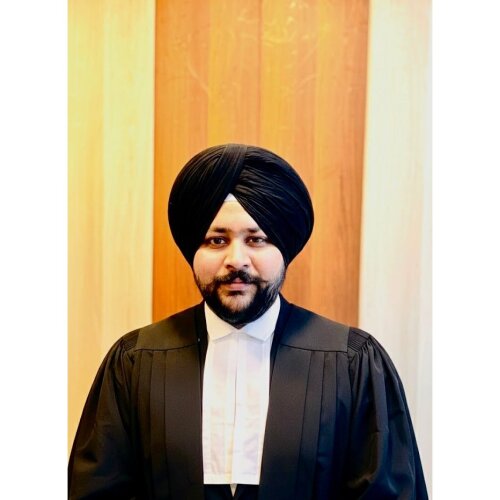
About Criminal Litigation Law in Samba, India
Criminal litigation in Samba involves the legal process for offenses investigated by police, prosecuted by state authorities, and defended by individuals or their counsel in courts. The framework rests on national laws applied across India, including the Code of Criminal Procedure 1973 (CrPC) and the Indian Penal Code 1860 (IPC). Samba residents operate under these central statutes, along with local Jammu and Kashmir enactments that regulate policing and detention in the union territory.
Samba falls under the jurisdiction of the Jammu and Kashmir High Court, with criminal matters initially heard in the district courts and at times in the Sessions Court for more serious offenses. The local judiciary coordinates with police and prosecution to manage bail, custody, trials, and appeals. In practice, residents of Samba rely on both standard Indian criminal procedure and Jammu and Kashmir specific rules, especially for preventive detention and police powers.
Key procedural stages include filing of FIRs, investigation by the police, charge sheets, bail applications, trial in sessions or magistrate courts, and possible appeals to the Jammu and Kashmir High Court. Understanding your rights at each stage-such as the right to legal counsel during custodial interrogation and the right to a fair trial-is essential in Samba's criminal landscape. See the cited sources for official texts and local guidance.
Code of Criminal Procedure, 1973 and Indian Penal Code, 1860 govern criminal procedure and substantive offenses nationwide. Refer to India Code for official texts: https://www.indiacode.nic.in/.
The Jammu and Kashmir High Court provides guidance on criminal procedure and appeals within the territory's jurisdiction: https://www.jkhighcourt.nic.in/.
Why You May Need a Lawyer
Arrest or custodial interrogation in Samba can be stressful and complex. A criminal lawyer helps protect your rights during police questioning, ensures proper documentation, and advises on bail options under CrPC sections applicable to your case. Local counsel also understands Samba’s procedural context and can coordinate with the district judiciary efficiently.
- A resident is arrested in Samba for an alleged IPC offense and requires immediate counsel to request bail and review the arrest paperwork. A lawyer guides you through the process, protects your rights, and plans a defense strategy from day one.
- You face a bail hearing in a Samba district court after a police charge sheet is filed. An attorney helps prepare anticipatory or regular bail arguments and presents relevant evidence to the court.
- A family dispute escalates into criminal allegations such as assault or criminal intimidation. A lawyer explains the difference between criminal and civil remedies and handles all court filings and cross-examinations.
- You are charged with a serious offense such as robbery or violence, requiring trial in the Samba Sessions Court. A defense attorney develops an evidence-based strategy, coordinates with investigators, and negotiates with the prosecution where appropriate.
- You are appealing a judgment from a Samba court to the Jammu and Kashmir High Court. An experienced advocate assists with drafting grounds of appeal, filing timelines, and procedural requirements.
Local Laws Overview
In Samba, the core criminal framework is defined by national statutes, supplemented by Jammu and Kashmir specific rules on policing and detention. The Indian Penal Code 1860 (IPC) defines offenses and punishments, while the Code of Criminal Procedure 1973 (CrPC) governs investigation, arrest, bail, trial, and appeals. Local laws also regulate policing powers and detention in the union territory through the Jammu and Kashmir Police Act and related orders.
Key national statutes used in Samba include the IPC and CrPC. The IPC defines crime and punishment, while the CrPC lays out procedural steps from investigation to trial. These acts apply uniformly in Samba, with local adaptations under Jammu and Kashmir law for policing and detention procedures.
The Jammu and Kashmir Police Act 2018 governs policing structures and powers within the union territory, impacting how investigations are conducted in Samba. The Public Safety Act 1978 allows preventive detention in certain security-related scenarios under JK law. These local statutes shape how criminal proceedings unfold in Samba beyond the central framework.
The Jammu and Kashmir Reorganisation Act, 2019 reorganized the region into union territories and centralised certain legal processes under the new administrative framework. This structural change, effective from 31 October 2019, influences procedural oversight, judiciary administration, and the interface between police and courts in Samba.
Code of Criminal Procedure, 1973 and Indian Penal Code, 1860 are accessible via India Code: https://www.indiacode.nic.in/.
Jammu and Kashmir High Court provides official guidance on criminal matters within the territory: https://www.jkhighcourt.nic.in/.
The Jammu and Kashmir Police Act, 2018 and Public Safety Act, 1978 govern policing and preventive detention in the union territory: official references are available through state and central government portals.
Frequently Asked Questions
What is the difference between bail and anticipatory bail in Samba?
Bail is the liberty to await trial after arrest, subject to conditions set by the court. Anticipatory bail protects a person from arrest in a case filed against them, before formal lodging of an FIR or arrest.
How do I apply for bail in a Samba criminal case?
File a bail application before the appropriate magistrate or Sessions Court, supported by evidence and standard grounds such as personal risk or lack of probability of conviction. The court may grant conditional or unconditional bail after hearing both sides.
When should I hire a local Samba-based defense attorney?
Engage early, especially if you face potential arrest, have received a notice, or receive a charge sheet. Local lawyers understand district court practices, timelines, and prosecutors in Samba.
Where can I access free legal aid for criminal matters in Samba?
National Legal Services Authority (NALSA) and your District Legal Services Authority (DLSA) provide free legal aid to eligible residents. Contact the Samba district court for the local DLSA office.
Why should I avoid talking to police without counsel in Samba?
Speaking without counsel can waive rights or lead to statements that hurt your defense. A lawyer ensures that statements are recorded properly and that your rights are protected during questioning.
Can I appeal a criminal conviction from Samba court to the JK High Court?
Yes, you can file a criminal appeal in the Jammu and Kashmir High Court within the statutory period. Preparation and timely filing are crucial for a strong appeal.
Do I need to hire a specialized crime lawyer for firearm or violence cases in Samba?
Specialized experience in criminal defense improves outcomes. A lawyer with relevant case history in violent offenses can navigate evidentiary and legal complexities more effectively.
How long does a typical criminal trial take in Samba district courts?
Trial durations vary widely due to case load and complexity. Minor offenses may last months; more serious cases can extend to years, especially in backlogs.
Is the Public Safety Act applicable in criminal matters in Samba?
The Public Safety Act allows preventive detention in specific circumstances in JK. It is a separate regime from normal criminal trial procedures and requires specialized legal handling.
What is the timeline for filing an appeal in JK High Court after a Samba trial?
Appeals generally must be filed within a specified period from judgment. Timelines vary by case and must be checked with your attorney and the High Court rules.
How much do criminal lawyers in Samba typically charge for standard cases?
Fees depend on case complexity, experience, and court workload. Some lawyers charge a fixed retainer plus case-related costs; always confirm in writing before engagement.
Additional Resources
Useful official resources to understand Criminal Litigation in Samba, India include:
- India Code - Official repository for IPC, CrPC and other central legislations. https://www.indiacode.nic.in/
- Jammu and Kashmir High Court - Official site with court orders, judgments, and procedural guidance for criminal matters within the union territory. https://www.jkhighcourt.nic.in/
- National Legal Services Authority (NALSA) - National body coordinating free legal aid and legal awareness programs for eligible people, including criminal matters. https://www.nalsa.gov.in/
Next Steps
- Define your case and collect documents such as FIRs, charge sheets, and court notices related to Samba matters. Set clear goals for your legal representation.
- Search for a Samba-based criminal defense attorney with relevant experience in CrPC proceedings and local court practices. Ask for recent case outcomes similar to yours.
- Schedule an initial consultation to discuss case strategy, potential defenses, and fee structure. Bring all documents and prepare a list of questions.
- Check credentials, verify practice in Samba district and the JK High Court, and confirm availability for upcoming hearings. Request client references if possible.
- Agree on a written retainer and fee arrangement, including costs for investigation, expert testimony, and court appearances. Ensure timelines for filings are clear.
- Prepare for hearings by organizing evidence, witness lists, and cross-examination questions with your lawyer. Maintain regular updates on case progress.
- Follow your lawyer’s advice regarding curbing communication with prosecutors and protecting your rights during proceedings. Attend all hearings punctually.
Lawzana helps you find the best lawyers and law firms in Samba through a curated and pre-screened list of qualified legal professionals. Our platform offers rankings and detailed profiles of attorneys and law firms, allowing you to compare based on practice areas, including Criminal Litigation, experience, and client feedback.
Each profile includes a description of the firm's areas of practice, client reviews, team members and partners, year of establishment, spoken languages, office locations, contact information, social media presence, and any published articles or resources. Most firms on our platform speak English and are experienced in both local and international legal matters.
Get a quote from top-rated law firms in Samba, India — quickly, securely, and without unnecessary hassle.
Disclaimer:
The information provided on this page is for general informational purposes only and does not constitute legal advice. While we strive to ensure the accuracy and relevance of the content, legal information may change over time, and interpretations of the law can vary. You should always consult with a qualified legal professional for advice specific to your situation.
We disclaim all liability for actions taken or not taken based on the content of this page. If you believe any information is incorrect or outdated, please contact us, and we will review and update it where appropriate.