


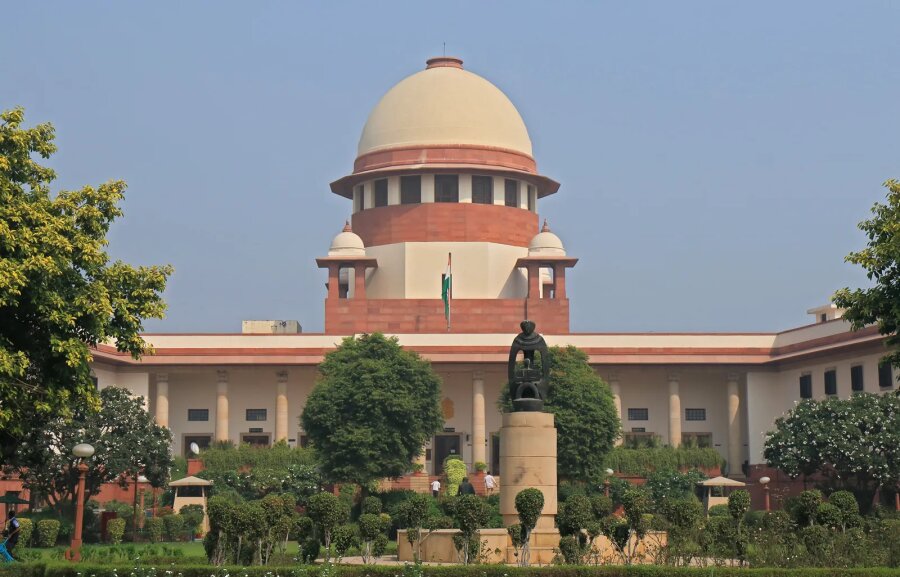
On December 19, 2025, the Supreme Court of India issued a landmark ruling in Mahesh Kumar Agarwal v. Union of India, distinguishing between a citizen's right to possess a passport and their right to travel abroad. The case addressed a common bureaucratic hurdle where passport authorities refuse to renew documents for individuals facing pending criminal charges, citing Section 6(2)(f) of the Passports Act, 1967.
The appellant in this case was facing charges from the National Investigation Agency (NIA) and had a conviction under appeal. The Passport Authority had denied his standard 10-year renewal, arguing that his legal status disqualified him. However, the relevant criminal courts had already granted "no objection" to the renewal, provided the accused obtained specific permission before leaving the country.
The Supreme Court bench ruled that the Passport Authority had acted ultra vires (beyond its powers) by overriding the discretion of the criminal courts. The Justices held that a passport is a primary document of identity essential for modern life, not just a travel document. Therefore, the mere pendency of a trial is not sufficient grounds to strip a citizen of their identity document entirely.
The Court ordered the authorities to issue a passport valid for 10 years, clarifying that the state's security interests are sufficiently protected by the requirement that the accused seek judicial permission for the actual act of travel. This decision provides significant relief to thousands of citizens caught in India’s slow-moving legal system, ensuring they are not rendered effectively undocumented while awaiting trial verdicts.
Source: SCO