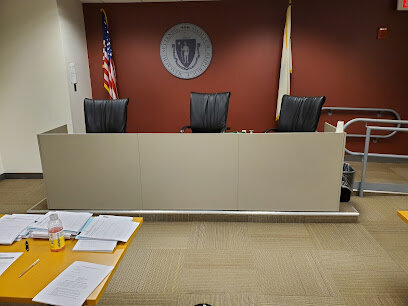
About Extradition Law in Marlborough, United States
Extradition law in Marlborough, Massachusetts, sits at the intersection of federal and state authority. When a person in Marlborough is accused of a crime in another state or country, authorities may seek to return that person for trial or punishment under established legal procedures. The core framework relies on the U.S. Constitution, federal statutes, and Massachusetts state law to govern how transfers of fugitives are requested, evaluated, and carried out.
The constitutional basis for inter-state extradition is the Extradition Clause in Article IV of the United States Constitution. This clause requires states to cooperate in returning fugitives to the state where the crime occurred. On the statutory side, 18 U.S.C. sections 3181 through 3188 define the federal process and the governor's requisition mechanism that trigger interstate transfers. In Massachusetts, the process is supplemented by state statutes that govern how the Commonwealth handles extradition requests within Marlborough and across its borders.
In practical terms, Marlborough residents facing extradition may encounter arrest, a state court hearing, and a potential governor's warrant before surrender to the requesting state. The process emphasizes timely decisions, due process protections, and the opportunity to contest the basis of the extradition. For a clear constitutional overview, see the National Archives summary of the Extradition Clause. For the federal framework, see the U.S. Code provisions on extradition. For Massachusetts specifics, see the Massachusetts General Laws on Chapter 276.
Source: Extradition Clause in Article IV of the U.S. Constitution - National Archives
Source: 18 U.S.C. § 3184 - Extradition Statute (federal framework)
Source: Massachusetts General Laws Chapter 276 - Extradition (state framework)
Why You May Need a Lawyer
Interstate extradition cases affect your liberty and involve complex legal standards. A Marlborough-based attorney with extradition experience can ensure your rights are protected at every stage. Below are real-world scenarios where legal guidance is crucial.
- A Marlborough resident is arrested on a fugitive-from-justice warrant issued by a neighboring state for an alleged crime there. Your lawyer can challenge the warrant and negotiate how the transfer proceeds to protect your rights.
- You face a request to be extradited from another state for charges that occurred there, while you are physically in Marlborough. An attorney can review the validity of the request and pursue any available defenses or delay tactics to protect due process.
- Authorities in Marlborough receive a governor's warrant from another state. A lawyer can advocate for a hearing to contest the extradition based on legal grounds such as improper procedure or insufficient evidence.
- A company employee in Marlborough is accused of cross-state fraud. You need counsel to coordinate with state authorities and ensure the defense strategy aligns with the complexities of multi-jurisdictional charges.
- You believe the requesting state has violated constitutional protections or offered insufficient evidence. A Marlborough attorney can file motions, request stay of surrender, or pursue applicable appellate review.
- You or a family member faces potential detention during extradition proceedings. A lawyer can seek bail considerations and protect against unnecessary confinement while the case moves forward.
Local Laws Overview
Extradition in Marlborough is shaped by three core authorities: constitutional provisions, federal law, and Massachusetts statutes. Understanding these sources helps residents know what to expect and what protections apply. The Extradition Clause of the U.S. Constitution requires cooperation between states for fugitives to be returned for trial.
The federal framework is established by 18 U.S.C. sections 3181 through 3188, which outline who may request extradition, the procedural steps, and the process for surrender. This federal statute governs inter-state extradition across the United States, including Marlborough and its neighboring jurisdictions. U.S. Code
Massachusetts law provides the state-specific machinery for extradition within Marlborough and the Commonwealth. Massachusetts General Laws Chapter 276 covers extradition procedures, including hearings, waivers, and the Governor's warrant process. See the official Massachusetts General Laws: Massachusetts General Laws Chapter 276.
Recent trends in extradition practice emphasize timely processing and procedural safeguards, with courts adapting to higher-volume requests and, in some cases, remote or virtual appearances during hearings. For an overview of constitutional and statutory bases, refer to the National Archives for the Extradition Clause, the U.S. Code for federal provisions, and the Massachusetts Legislature for state law.
Frequently Asked Questions
What is extradition in Marlborough and how does it start?
Extradition is the process of returning a fugitive to the state or country where charges were filed. It begins when authorities file a formal request, often via a governor's warrant or arrest order, directing Marlborough to surrender the individual. A Marlborough-based attorney can assess the legality of the request and protect your rights from the outset.
How do I know if I am subject to inter-state extradition here?
You are subject to extradition if another state alleges you committed a crime there and requests your return. Marlborough courts review the request for proper procedure and probable cause before surrendering a person to the requesting state. An attorney can help determine if the request meets legal standards.
What is the difference between federal and state rules in extradition?
Federal law provides the general framework for interstate extradition, while state law governs procedures within the Commonwealth. In Marlborough, your defense may involve challenging the governor's warrant under Massachusetts law and addressing federal requirements during the transfer. A qualified attorney can navigate both layers.
Do I have the right to a lawyer during extradition proceedings?
Yes. You have the right to counsel in Marlborough extradition proceedings. An attorney can represent you at hearings, help prepare defenses, and advocate for your rights throughout the process. Getting legal help early is strongly advised.
Can I challenge the basis of the extradition in Marlborough?
Yes. You can challenge the extradition on grounds such as improper procedure, lack of probable cause, or insufficient evidence. A Marlborough lawyer can file appropriate motions and request hearings to address these issues.
How much does a Marlborough extradition defense typically cost?
Costs vary based on complexity, hours, and defense strategy. Typical expenses include attorney hours, court fees, and potential travel costs for out-of-state proceedings. A preliminary consultation can help you estimate a budget and options.
What documents should I bring to a first extradition consultation?
Bring the arrest warrant, any governor's warrant, charging documents, and any notice of extradition received. Also include a list of prior charges, records from the arrest state, and any correspondence with prosecutors. This helps the attorney assess the case quickly.
Is extradition always successful, or can it be stopped?
Extradition can be delayed or blocked if the defense raises valid legal or procedural objections. Courts may halt or review warrants if constitutional rights are implicated. An experienced attorney can pursue these avenues in Marlborough-specific proceedings.
How long does the entire extradition process usually take?
Timelines vary widely, from a few weeks to several months, depending on the complexity and appeals. Early motions and hearings can accelerate or extend the process. An attorney can provide a tailored timeline based on your case.
What is the role of the governor in the extradition process?
The governor's office reviews interstate requests and may issue a governor's warrant to compel surrender. In Marlborough, a hearing may be held to contest the governor's actions if there are valid defenses. Legal counsel can advocate on your behalf.
Can I be held in custody during extradition proceedings?
Yes, detention is common while extradition matters are resolved. An attorney can seek bonds or other measures to reduce pre-trial confinement and protect your rights during hearings. Custody status can influence strategy and timing.
Additional Resources
Next Steps
- Identify whether the case involves interstate extradition within Massachusetts or from another state. Clarify who issued the warrant and what documents you have.
- Find a Marlborough-based or nearby extradition lawyer with proven experience in both Massachusetts and interstate procedures. Schedule an initial consultation to review your case.
- Gather critical documents for your lawyer review, including arrest warrants, governor's warrants, charging documents, and any correspondence from the requesting state.
- Discuss potential defenses and options during the initial meeting, including possible hearings to contest extradition and strategies to minimize detention.
- Plan for the timeline by outlining expected hearing dates, possible continuances, and any appeals. Ask the attorney for an estimated schedule based on similar Marlborough cases.
- Prepare for hearings by compiling witness lists, evidence you want to present, and any technical or factual challenges to the extradition request.
- Proceed with the chosen defense strategy, coordinate with local and out-of-state counsel as needed, and monitor compliance with all court orders and deadlines.
Lawzana helps you find the best lawyers and law firms in Marlborough through a curated and pre-screened list of qualified legal professionals. Our platform offers rankings and detailed profiles of attorneys and law firms, allowing you to compare based on practice areas, including Extradition, experience, and client feedback.
Each profile includes a description of the firm's areas of practice, client reviews, team members and partners, year of establishment, spoken languages, office locations, contact information, social media presence, and any published articles or resources. Most firms on our platform speak English and are experienced in both local and international legal matters.
Get a quote from top-rated law firms in Marlborough, United States — quickly, securely, and without unnecessary hassle.
Disclaimer:
The information provided on this page is for general informational purposes only and does not constitute legal advice. While we strive to ensure the accuracy and relevance of the content, legal information may change over time, and interpretations of the law can vary. You should always consult with a qualified legal professional for advice specific to your situation.
We disclaim all liability for actions taken or not taken based on the content of this page. If you believe any information is incorrect or outdated, please contact us, and we will review and update it where appropriate.