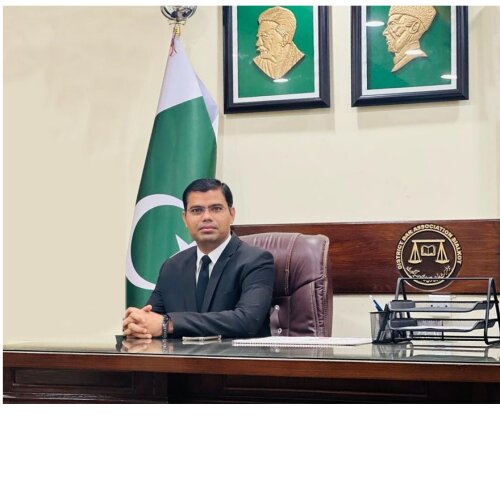
About Extradition Law in Sialkot, Pakistan
Extradition in Pakistan is primarily governed by federal law, notably the Extradition Act of 1973, and by bilateral treaties coordinated through the Ministry of Foreign Affairs (MOFA). In Sialkot, as in the rest of Pakistan, extradition requests pass through Islamabad and involve collaboration between the central government, the Punjab provincial authorities, and the relevant courts. The process is designed to transfer a person accused or convicted of a crime to a foreign state that has requested surrender.
Key concepts include dual criminality, which requires that the offense for which extradition is sought be punishable in both Pakistan and the requesting country, and the political offense exception, which can exclude certain cases from extradition. Sialkot residents facing extradition matters should expect a sequence of formal notices, possible bail considerations, and court hearings that assess the legality and proportionality of surrender.
Extradition is distinct from other cross-border procedures such as deportation or mutual legal assistance. In Sialkot, local authorities primarily handle detention and civil protections while federal authorities administer the surrender decision and coordination with foreign governments. For practical guidance, consult a local lawyer who understands Punjab court procedures and federal extradition rules.
Why You May Need a Lawyer
- Arrest or pending extradition request in Sialkot - A client in Sialkot may be detained under an extradition request and needs a lawyer to seek bail, challenge the arrest, or contest the basis for surrender. A lawyer can file expedited motions to pause surrender proceedings while the case is reviewed.
- Do you qualify for a political offense or dual criminality defense? - A business professional in Sialkot charged abroad may argue that the offense is political or that the crime does not exist under Pakistani law. A legal counsel evaluates treaties and local law to frame a defense.
- Complex treaty-based requests across foreign borders - If MOFA or foreign authorities submit a treaty-based request, a lawyer helps interpret treaty clauses, ensure proper channels are used, and protect client rights during negotiation and transfer.
- Mutual legal assistance and evidence issues - In cross-border cases, evidence collection and transmission can be complicated. A lawyer coordinates with foreign counsel to secure admissible evidence while protecting client rights in Pakistan.
- Detention and rights during surrender negotiations - While extradition is pending, clients need counsel to safeguard rights against unlawful detention, ensure timely court hearings, and obtain humane treatment under Pakistani law.
- Appeals or habeas corpus challenges against extradition - If a surrender decision is issued, a lawyer can pursue immediate remedies in the appropriate court to challenge the decision or request stay of surrender.
Local Laws Overview
The Extradition Act of 1973 is the principal statute governing extradition proceedings in Pakistan, providing the framework for how warrants, surrender orders, and communications with foreign states are processed. It operates in concert with bilateral treaties and ongoing mutual legal assistance procedures overseen by MOFA. In practice, extradition matters in Sialkot are reviewed by the Punjab judiciary under federal law, with significant coordination through Islamabad.
Pakistan also relies on mutual legal assistance arrangements to gather evidence and facilitate cross-border investigations. These MLAT-type processes are implemented through MOFA and the Pakistan mission network abroad. Sialkot-based clients may encounter these procedures when foreign authorities request documentary evidence or witness testimony.
Recent trends emphasize better coordination between MOFA and MOI to streamline surrender decisions and to ensure compliance with due process. While the core statutory framework remains stable, administrative practices have evolved to handle treaty-based requests more efficiently. For authoritative guidance on current practices, consult MOFA and MOI official resources.
The government of Pakistan emphasizes treaty-based cooperation and due process in extradition matters through MOFA and MOI.
For official references, see:
- Ministry of Foreign Affairs (Pakistan)
- Ministry of Interior (Pakistan)
- Lahore High Court
Frequently Asked Questions
What is the Extradition Act 1973 in Pakistan used for?
The Extradition Act 1973 provides the legal framework for transferring individuals between Pakistan and other states under treaties. It sets out procedures for surrender, evidentiary standards, and the roles of authorities involved. It also addresses grounds for refusing surrender in specific circumstances.
How do I start an extradition defense from Sialkot?
Contact an experienced extradition lawyer in Punjab to assess dual criminality, political offense defenses, and treaty clauses. The lawyer will gather documents and approach MOFA and MOI through proper channels to protect your rights.
Do I need a local or national lawyer for extradition in Sialkot?
A local lawyer familiar with Punjab court practices can handle bail and initial hearings, while a national firm may manage foreign treaty negotiations. A coordinated approach often yields better outcomes.
How long does extradition processing typically take in Pakistan?
Processing times vary widely-ranging from several months to a few years-depending on treaty complexity, evidentiary issues, and court schedules. A lawyer can provide case-specific timelines after reviewing documents.
What is dual criminality in extradition?
Dual criminality means the alleged offense must be punishable under both Pakistani law and the law of the requesting country. If a crime does not exist in Pakistan, surrender is unlikely.
Can a suspect challenge an extradition on human rights grounds in Sialkot?
Yes, a defense may raise due process concerns, detention conditions, or risk of punishment in the requesting country. These grounds are evaluated by Pakistani courts.
Is there a difference between extradition and deportation in Pakistan?
Extradition involves transferring a person under a formal international process for criminal matters, while deportation relates to removing a person for immigration or border reasons. They use different legal mechanisms and authorities.
What evidence is typically required for an extradition request?
Requests generally require proof that the offense is punishable in both states and that proper procedural steps have been followed. The MOFA and the courts review the sufficiency of evidence.
How much does extradition legal help cost in Sialkot?
Costs vary with case complexity, lawyer experience, and required international coordination. Expect consultations, filing fees, and potential court costs to accrue over time.
What is the role of the Punjab High Court in extradition matters?
The Punjab High Court may review detention orders, bail applications, and habeas corpus petitions challenging extradition. It ensures due process is followed before surrender.
What is the difference between surrender and extradition in practice?
Surrender refers to the formal act of delivering a person to the requesting state under a treaty. Extradition is the broader legal process that includes the inquiry, approval, and surrender steps.
Can I delay extradition by filing an appeal in Sialkot?
Appeals or habeas corpus petitions can delay surrender if filed timely and supported by valid grounds. A lawyer helps identify strategic timing for these actions.
Additional Resources
- Ministry of Foreign Affairs (Pakistan) - Coordinates international treaties and extradition requests, advises on treaty interpretation, and liaises with foreign governments. https://mofa.gov.pk
- Ministry of Interior (Pakistan) - Oversees internal security, detention, and coordination with provincial authorities during extradition processes. https://mha.gov.pk
- Lahore High Court - Handles legal challenges to detention, bail, and habeas corpus petitions related to extradition for cases arising in Punjab including Sialkot. https://www.lhc.gov.pk
Next Steps
- Assess your situation and collect documents - Gather police notices, arrest warrants, court documents, travel history, and any treaty-related correspondence. Do this within 1 week to start the process with your lawyer.
- Identify a qualified extradition attorney in Punjab - Look for lawyers with experience in treaty-based surrender and cross-border cases. Check bar associations and law firm profiles within 1-2 weeks.
- Schedule an initial consultation - Meet to discuss dual criminality defenses, potential political offense exceptions, and the likelihood of bail. Allow 1-2 weeks for scheduling.
- Review and prepare strategy with your lawyer - Your counsel will evaluate treaty clauses, gather evidentiary materials, and plan steps for bail or stay petitions. Expect a 2-4 week window for initial plan entry.
- Engage with MOFA and MOI as directed - Your lawyer will coordinate formal requests, evidence submission, and any foreign liaison requirements. Timelines vary by case complexity, typically weeks to months.
- Prepare for court hearings in Punjab - Prepare pleadings, motions, and potential habeas corpus filings. Schedule hearings and respond to any court directions promptly, often on a rolling basis.
- Review costs and establish a timeline - Confirm fee structures, expected expenses, and a rough timeline with your lawyer. Maintain ongoing communication to stay on schedule.
Lawzana helps you find the best lawyers and law firms in Sialkot through a curated and pre-screened list of qualified legal professionals. Our platform offers rankings and detailed profiles of attorneys and law firms, allowing you to compare based on practice areas, including Extradition, experience, and client feedback.
Each profile includes a description of the firm's areas of practice, client reviews, team members and partners, year of establishment, spoken languages, office locations, contact information, social media presence, and any published articles or resources. Most firms on our platform speak English and are experienced in both local and international legal matters.
Get a quote from top-rated law firms in Sialkot, Pakistan — quickly, securely, and without unnecessary hassle.
Disclaimer:
The information provided on this page is for general informational purposes only and does not constitute legal advice. While we strive to ensure the accuracy and relevance of the content, legal information may change over time, and interpretations of the law can vary. You should always consult with a qualified legal professional for advice specific to your situation.
We disclaim all liability for actions taken or not taken based on the content of this page. If you believe any information is incorrect or outdated, please contact us, and we will review and update it where appropriate.