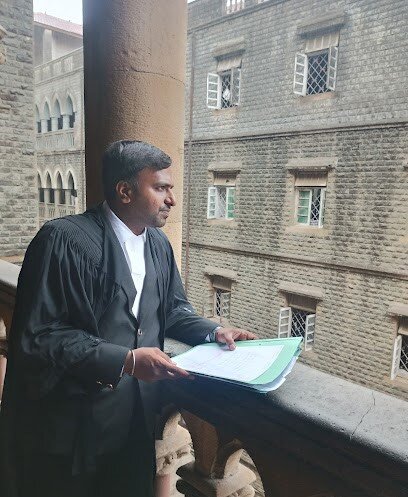
1. About International Criminal Law in Mumbai, India
International Criminal Law (ICL) deals with crimes that affect the international community as a whole, such as genocide, crimes against humanity and war crimes. It also covers cross-border crimes like terrorism, trafficking, and serious violent offenses that involve more than one country.
In Mumbai, ICL enforcement relies on India’s domestic statutes to address international harms. Local courts cooperate with foreign authorities through extradition, Mutual Legal Assistance treaties, and cross-border investigations conducted by agencies like the National Investigation Agency (NIA). This makes Mumbai a hub for both prosecution and defense in cases with international dimensions.
Mumbai residents seeking ICL guidance should understand that India is not a party to the Rome Statute of the International Criminal Court, though it engages with international law through bilateral treaties and domestic enforcement mechanisms. This affects how international crimes are pursued and where jurisdiction lies.
India has not ratified the Rome Statute; its engagement with international criminal matters is through domestic laws and bilateral cooperation rather than ICC prosecution. Source: United Nations Treaty Collection
Key Mumbai-specific institutions involved in ICL matters include the Bombay High Court, Special Courts for UAPA and NIA cases, and local police units coordinating with federal agencies. Understanding these roles helps residents know where petitions, appeals, or defense strategies typically flow.
National Investigation Agency (NIA) operates across India with a Mumbai presence under the NIA Act, 2008. Source: NIA
2. Why You May Need a Lawyer
- Arrest or charges under UAPA in a Mumbai case - If you are accused of terrorism, funding, or membership in a banned organization, you need counsel who understands the Unlawful Activities Prevention Act and its implications for bail, trial, and evidence admissibility. A qualified lawyer can protect your rights during prolonged police custody and court hearings.
- Extradition or surrender requests involving Mumbai suspects - If you face extradition to or from another country, you will require counsel to manage the legal standards for dual criminality, procedural defenses, and treaty-litigation in Indian courts.
- Cross-border money flows or asset seizures with international elements - Cases under the Prevention of Money Laundering Act (PMLA) or related regulatory regimes often involve overseas assets. A Mumbai-based ICL attorney helps coordinate with financial regulators and foreign authorities.
- Mutual Legal Assistance (MLA/MLAT) requests affecting a Mumbai matter - If evidence or witness cooperation is sought from another country, counsel can navigate MLA procedures to obtain or provide required materials efficiently.
- Arising war crimes or humanitarian law concerns in a Mumbai context - While India has not ratified the ICC, domestic courts apply Geneva Conventions principles through implementing statutes to address international humanitarian concerns.
- Advisory or defense work for foreign nationals in Mumbai with international crime implications - Foreign nationals involved in cross-border offenses may require counsel who can handle both Indian procedural law and international-law considerations.
3. Local Laws Overview
Below are 2-3 key laws that govern International Criminal Law in Mumbai, with notes on how they operate locally and any recent changes.
Unlawful Activities Prevention Act, 1967 (UAPA)
The UAPA is India's primary statute for addressing terrorism and unlawful activities. It allows for preventive detention, proscribes certain organizations, and supports special procedures in terrorism-related cases. In Mumbai, many major terrorism and funding cases are brought under UAPA and prosecuted in special courts.
Recent amendments in 2019 expanded the definition of a terrorist act and the list of offenses subject to UAPA, increasing penalties and the scope of investigative powers. These changes affect pre-trial bail considerations and the speed of proceedings in Mumbai courts.
Key takeaway for Mumbai residents: If you are charged under UAPA, your defense will typically involve technical scrutiny of weaponization of evidence, association, and financial links to organizations. Consultation with an ICL lawyer experienced in UAPA is essential early in the process.
National Investigation Agency Act, 2008 (NIA Act)
The NIA Act creates a central investigative agency with nationwide jurisdiction to probe offenses linked to terrorism, cross-border crimes, and organized crime. In Mumbai, the NIA can take over investigations from state police in certain cases and can present charges in designated Special Courts.
Special courts may try NIA cases, and the act emphasizes speedy inquiry and coordination with state authorities. Mumbai-based cases involving international terrorism or cross-border crime frequently involve NIA resources and coordination.
Practical effect in Mumbai: For suspected international terrorist activity or cross-border financing cases, expect potential transfer to NIA for investigation and, if charged, trial in a Special Court or within the NIA framework.
Source: National Investigation Agency Act, 2008 - NIA functions and jurisdiction available at NIA
Extradition Act, 1962
The Extradition Act governs the surrender of individuals between India and other states. In Mumbai, extradition petitions are commonly heard by the Bombay High Court, and outcomes depend on treaty provisions, dual criminality, and national security concerns.
Extradition procedures can span months to years, depending on case complexity, the requesting country, and the court schedule. Representation by an experienced ICL attorney helps prepare the required documentary evidence, defense, and procedural arguments.
How it applies locally: Mumbai-based extradition requests often involve coordination with foreign authorities through MLA/MLAT channels and domestic legal scrutiny in Indian courts.
Source: Extradition Act, 1962 - Indian code and procedural context discussed at Indiaco.de.nic.in
4. Frequently Asked Questions
What is International Criminal Law and how does it apply in Mumbai?
International Criminal Law addresses crimes affecting the international community and cross-border offenses. In Mumbai, enforcement relies on domestic statutes like UAPA and NIA involvement for international-related cases, combined with cross-border cooperation with foreign authorities.
How do I hire a Mumbai-based International Criminal Law attorney?
Start with a shortlist of Mumbai lawyers with UAPA and extradition experience. Verify track record, client reviews, and availability for court appearances; arrange an initial consultation to outline your case and strategy.
What is the Unlawful Activities Prevention Act and how does it affect cases in Mumbai?
UAPA targets unlawful activities and terrorism, enabling preventive detention and special procedures. In Mumbai, many high-profile cases use UAPA to address funding, membership, or acts of terror, with defense focused on evidentiary standards and rights in custody.
How long does an extradition process take in Mumbai?
Extradition proceedings can take several months to years, depending on the complexity and international factors. Timelines depend on treaty requirements, court schedules, and the quality of evidence presented.
Do I need to be physically present in Mumbai to seek ICL legal support?
No, you can engage counsel remotely for initial consultations and case strategy. However, court appearances and certain filings may require local representation or authorization for a Mumbai-based lawyer.
What is the role of the National Investigation Agency in Mumbai cases?
The NIA leads investigations into terrorism and cross-border crimes that involve international elements. In Mumbai, NIA may take over cases or coordinate with local police and courts for trial in Special Courts.
What is MLAT and how does it help in cross-border investigations from Mumbai?
Mutual Legal Assistance treaties facilitate the gathering of evidence and witness cooperation across borders. In Mumbai, MLAT requests enable foreign authorities to obtain documents or testimony for Indian courts.
Is India a party to the Rome Statute of the International Criminal Court?
No. India has not ratified the Rome Statute, although it engages with international criminal law through bilateral cooperation and domestic enforcement. This shapes how international crimes are pursued within Indian courts.
What kinds of international crimes can Mumbai courts handle under Geneva Conventions provisions?
Mumbai courts apply Geneva Conventions principles through implementing statutes to address war crimes and humanitarian violations, typically within domestic criminal law frameworks rather than ICC processes.
What are typical court timelines for UAPA cases in Mumbai?
Timelines vary by case; complex UAPA matters with cross-border elements can extend over several years. Regular court backlogs and pre-trial proceedings influence overall duration.
How much does a Mumbai international criminal law lawyer typically charge?
Costs depend on case complexity, counsel experience, and court requirements. Most practitioners offer a mix of retainer and hourly rates, with fees increasing for serious or international aspects.
What documents should I prepare before meeting an ICL lawyer in Mumbai?
Gather any charge sheets, court notices, evidence lists, and communications with authorities. Also bring identification, a timeline of events, and any foreign-law or treaty materials you have.
5. Additional Resources
- National Investigation Agency (NIA) - National agency for investigating terrorism and cross-border crime; official site with jurisdiction and contact information. https://www.nia.gov.in
- Mutual Legal Assistance Treaty (MLAT) - India - Government portal detailing cross-border evidence sharing and cooperation with foreign authorities. https://mla.india.gov.in
- United Nations Treaty Collection - Rome Statute status - International reference on treaty status and ICC-related instruments; context for India’s position in ICL. https://treaties.un.org/Pages/Treaty.aspx?src=TREATY&mtdsg_no=XX&chapter=5&lang=en
- Bombay High Court - Official site with court rules, judgments, and procedural guidance for Mumbai residents. https://bombayhighcourt.nic.in
- UNODC - International cooperation and criminal justice - Global guidance on cross-border crime and best practices in investigation and prosecution. https://www.unodc.org
6. Next Steps
- Identify a Mumbai-based lawyer with explicit experience in UAPA, extradition, and cross-border investigations. Look for registrations with the Bar Council of Maharashtra and Goa and prior case outcomes.
- Schedule an initial consultation to outline your case, identify defenses, and discuss expected timelines and likely costs. Bring all relevant documents and any foreign-cooperation materials.
- Assess potential defenses and recovery strategies, including bail options, evidentiary challenges, and the role of international cooperation mechanisms like MLAT.
- Obtain a formal engagement letter outlining scope, fees, retainer requirements, and travel or court appearance obligations, if any.
- Coordinate with the lawyer to prepare travel plans or virtual appearances, ensuring compliance with Mumbai court schedules and any foreign witness requirements.
- Request a clear timeline and milestones for investigation steps, filing of responses, and anticipated court dates to manage expectations.
- Review all communications with authorities through your counsel to ensure proper procedural steps and preservation of rights under Indian law.
Lawzana helps you find the best lawyers and law firms in Mumbai through a curated and pre-screened list of qualified legal professionals. Our platform offers rankings and detailed profiles of attorneys and law firms, allowing you to compare based on practice areas, including International Criminal Law, experience, and client feedback.
Each profile includes a description of the firm's areas of practice, client reviews, team members and partners, year of establishment, spoken languages, office locations, contact information, social media presence, and any published articles or resources. Most firms on our platform speak English and are experienced in both local and international legal matters.
Get a quote from top-rated law firms in Mumbai, India — quickly, securely, and without unnecessary hassle.
Disclaimer:
The information provided on this page is for general informational purposes only and does not constitute legal advice. While we strive to ensure the accuracy and relevance of the content, legal information may change over time, and interpretations of the law can vary. You should always consult with a qualified legal professional for advice specific to your situation.
We disclaim all liability for actions taken or not taken based on the content of this page. If you believe any information is incorrect or outdated, please contact us, and we will review and update it where appropriate.