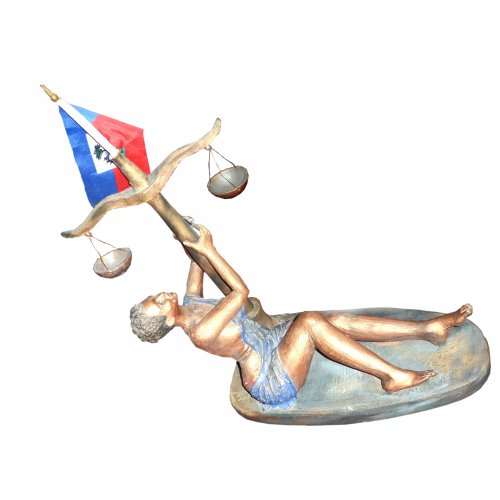
1. About IP Licensing & Transactions Law in Haiti
IP Licensing and Transactions in Haiti covers the commercial licensing of intellectual property rights such as copyright, trademarks, patents, and trade secrets. This area also includes technology transfers, franchising, distribution agreements, and assignments of rights. The goal is to define how rights are used, in which territories, and under what financial terms.
In practice, licensing agreements in Haiti require careful drafting to address territory, field of use, exclusivity, duration, royalties, and termination rights. Enforcement of these agreements relies on Haiti’s civil law framework and the ability to register certain IP rights with the appropriate government office. Counsel familiar with Haitian IP practice helps avoid gaps that could lead to royalty disputes or misappropriation.
Haiti relies on international IP standards and treaty commitments to shape its domestic regime. Legal counsel can help align licensing terms with both local law and cross-border requirements for rights holders and licensees. Engaging a lawyer early in negotiations improves protection of background rights, negotiation leverage, and dispute resolution options.
Source snapshot on Haiti IP structure: Haiti participates in key international IP regimes and relies on the national Code de la Propriété Intellectuelle as the foundation for licensing and enforcement. See WIPO Lex for Haiti profile and treaty status. https://www.wipo.int/wipolex/en/profile.jsp?country_code=HT
2. Why You May Need a Lawyer
Working with an attorney can prevent costly disputes and ensure licensing terms are enforceable under Haitian law. Below are concrete scenarios that commonly require legal counsel in Haiti:
- Software licensing for a Haitian fintech - A local fintech firm licenses its mobile payment software to banks and microfinance institutions. A lawyer drafts the license to specify territory, field of use, updates, and data handling, while coordinating with data protection laws and export controls.
- Music and audiovisual rights licensing - A Haitian musician signs with a streaming platform and a radio network. An attorney negotiates royalties, territorial rights, performance rights, and synchronization licenses, ensuring compliance with local copyright rules and international payout standards.
- Franchise and brand licensing - A Haitian beverage brand seeks a franchise model with foreign investors. Legal counsel creates a robust trademark license, know-how agreement, quality control clauses, and local regulatory disclosures to protect the brand in Haiti and abroad.
- Cross-border distribution of Haitian films - A Haitian film producer licenses international distribution rights. A lawyer clarifies exclusive vs non-exclusive rights, language dubbing, sublicensing, and revenue sharing across jurisdictions.
- Assignment and transfer of IP assets - An author or company assigns rights to a foreign publisher or buyer. Counsel ensures proper transfer of copyright or patent rights, medical data considerations, and post-transaction obligations.
- Folklore and cultural property licensing - An NGO or business seeks to license use of Haitian cultural works. An attorney helps identify authorship, collective rights, and fair dealing with heritage protections and community consent requirements.
3. Local Laws Overview
The Haitian IP regime rests on core statutes that regulate licensing and exploitation of rights. Understanding these laws helps stakeholders negotiate agreements that will be enforceable domestically and internationally.
Code de la Propriété Intellectuelle (CPI) - The foundational statute governing copyrights, trademarks, patents, and related rights in Haiti. It provides the framework for registration, enforcement, and licensing transactions within the country.
Loi sur le droit d'auteur et les droits voisins - This law governs authorship and the rights of creators and performers. It forms the backbone for licensing deals involving music, film, literature, and other works, including collection of royalties and enforcement against infringement.
Loi sur les marques et les dessins et modèles industriels - This statute regulates trademark protection and the protection of designs and industrial models. It shapes licensing agreements by clarifying registration, use restrictions, and value of brand assets in licensing contexts.
Haiti participates in major international IP treaties which influence its domestic practice. These include conventions administered by the World Intellectual Property Organization (WIPO), such as Berne for copyrights and Paris for industrial property, which guide national enforcement and cross-border licensing. See the Haiti profile on WIPO Lex for treaty status and domestic implementation details. https://www.wipo.int/wipolex/en/profile.jsp?country_code=HT
Source note: WIPO Lex provides the latest country profile for Haiti, including information on IP offices, legislation, and treaty participation. https://www.wipo.int/wipolex/en/profile.jsp?country_code=HT
4. Frequently Asked Questions
What is a licensing agreement in IP law and why is it important?
A licensing agreement permits one party to use another party's IP rights under defined terms. It clarifies the scope, duration, royalties, and restrictions to prevent infringement and disputes.
How do I start a licensing deal in Haiti and protect my rights?
Engage a lawyer early to draft or review terms, ensure proper registration where required, and include clear representations, warranties, and dispute resolution provisions.
What is the difference between exclusive and non-exclusive licenses?
Exclusive licenses grant rights to a single licensee within a defined territory and field of use, while non-exclusive licenses allow multiple licensees. Both require careful drafting to avoid conflicts.
Do I need to register an IP license in Haiti?
Registration requirements vary by IP right. Some rights may be protected through registration, while others rely on contract terms and enforcement through courts.
How long does a typical IP license last in Haiti?
License duration is negotiable, often aligning with the term of the underlying IP protection. A lawyer helps ensure renewal options and termination mechanics are clear.
What costs are typically involved in drafting an IP license?
Costs include legal fees for drafting and reviewing the contract, potential registration fees, and, if applicable, royalties administration and auditing provisions.
Can I license Haitian IP to international partners?
Yes, but you must address cross-border issues like language, governing law, enforcement mechanisms, and currency to avoid disputes in foreign jurisdictions.
Should I include an arbitration clause in an IP license?
Arbitration or mediation clauses provide a neutral forum for resolving disputes and can be faster and more confidential than court litigation in some cases.
Do I need a local lawyer to license IP in Haiti?
Local counsel helps navigate Haitian law, registration requirements, and local business practices, and can coordinate with foreign counsel on multi-jurisdictional deals.
Is there a difference between licensing and assignment in IP law?
Licensing permits use of rights while ownership remains with the grantor; assignment transfers ownership of the IP itself. Both require formal documentation.
How long does it take to finalize an IP licensing agreement in practice?
Negotiations may take 2 to 8 weeks depending on complexity, number of rights involved, and due diligence requirements. A lawyer can help streamline this process.
5. Additional Resources
6. Next Steps
- Clarify your IP rights and licensing goals. Write down which rights you own, what you want to license, and your preferred terms (territory, field of use, duration).
- Gather relevant documents to share with counsel. Collect IP registrations, contracts, prior licenses, and background ownership information.
- Identify Haitian IP lawyers with licensing experience. Look for firms or practitioners with demonstrable work in licensing, franchising, and cross-border transactions.
- Request a scope and fee proposal from shortlisted lawyers. Ask for a sample license template, estimated timelines, and fee structures (hourly vs fixed fees).
- Consult for a feasibility assessment in Haiti and abroad. Evaluate local enforcement options and any international licensing considerations.
- Check references and past deal experience. Contact former clients to understand outcomes and working style.
- Agree on a timeline and milestones for drafting and signing. Set a realistic schedule for negotiation, due diligence, and delivery of final documents.
Lawzana helps you find the best lawyers and law firms in Haiti through a curated and pre-screened list of qualified legal professionals. Our platform offers rankings and detailed profiles of attorneys and law firms, allowing you to compare based on practice areas, including IP Licensing & Transactions, experience, and client feedback.
Each profile includes a description of the firm's areas of practice, client reviews, team members and partners, year of establishment, spoken languages, office locations, contact information, social media presence, and any published articles or resources. Most firms on our platform speak English and are experienced in both local and international legal matters.
Get a quote from top-rated law firms in Haiti — quickly, securely, and without unnecessary hassle.
Disclaimer:
The information provided on this page is for general informational purposes only and does not constitute legal advice. While we strive to ensure the accuracy and relevance of the content, legal information may change over time, and interpretations of the law can vary. You should always consult with a qualified legal professional for advice specific to your situation.
We disclaim all liability for actions taken or not taken based on the content of this page. If you believe any information is incorrect or outdated, please contact us, and we will review and update it where appropriate.