About hiring a lawyer in Niigata, Japan
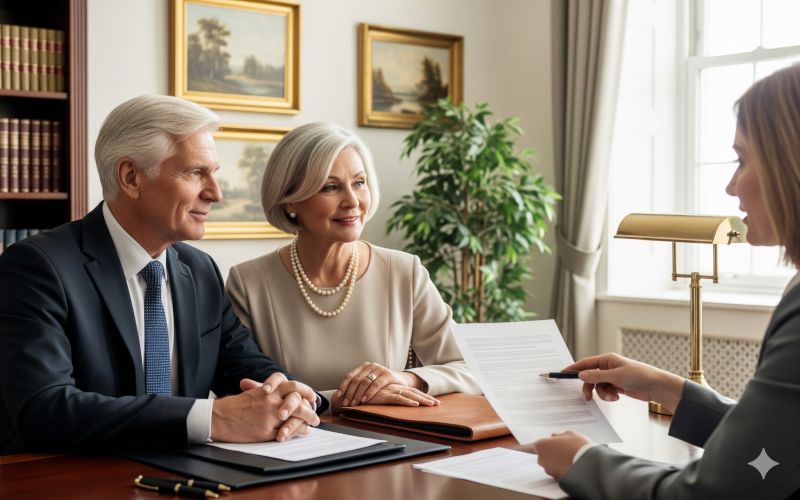
Hiring a lawyer in Niigata follows a straightforward process similar to other parts of Japan. First, identify attorneys who handle the area of law you need. Contact one or more firms to request an initial consultation - many firms offer a brief first meeting by phone, video-call, or in-person. At the first consultation you will explain the facts, provide key documents, and ask about the lawyer's experience and fees. If you decide to retain the lawyer, you will sign an engagement agreement that sets out the scope of work, fees, payment schedule, and responsibilities. Lawyers will then begin work on your matter - for example negotiating with the other side, preparing pleadings, or representing you in court or administrative proceedings.
Fees can be structured as an hourly rate, fixed fee for a defined service, retainer plus hourly billing, or success-fee arrangements in some civil cases. Japanese lawyers must provide a written fee agreement upon engagement, so confirm costs and refund policies in advance. If you have limited Japanese skills, ask about language support or arrange an interpreter before the meeting.
Why You May Need a Lawyer
People in Niigata contact lawyers for many reasons. Typical civil matters include contract disputes, landlord-tenant issues, consumer complaints, debt collection, inheritance and estate matters, and family law matters such as divorce and child custody. Employment-law issues such as wrongful dismissal, unpaid wages, or workplace harassment are common reasons to consult a lawyer. Businesses seek corporate advice - for example setting up contracts, handling disputes, or regulatory compliance.
Criminal matters require immediate legal assistance if you are accused of an offense or detained by police - a lawyer can protect your rights, advise on pre-trial options, and represent you in court. Administrative matters - such as challenges to government decisions, regulatory permits, or immigration issues - also often benefit from specialist legal help. If you are a foreign resident facing visa questions, deportation risks, or cross-border disputes, a lawyer with immigration experience is particularly valuable.
Local Laws Overview
Japan's legal system is based on statutory codes and court decisions. In Niigata, local practice follows national laws administered by prefectural and municipal offices and regional courts. Relevant areas include civil law - governing contracts, property, torts, and family matters - and criminal law - governing offenses and procedures. Administrative law covers permits, licensing, and disputes with government agencies.
Civil procedures often encourage dispute resolution through negotiation or mediation before full litigation. Family courts handle many divorce and custody matters with mediation as a primary step. Summary courts or district courts resolve civil disputes and damages claims - smaller disputes may be handled in simpler proceedings. Criminal procedure emphasizes prompt access to counsel and rights during detention, but early legal help is essential to protect those rights.
Employment protections are set by national labor laws enforced by labor standards offices and courts - wrongful dismissal and wage claims are addressed under those laws. Consumer-protection statutes and local consumer centers assist with complaints about services and products. For immigration and residency matters, national immigration law applies and is administered by regional immigration offices.
Frequently Asked Questions
How do I find a qualified lawyer in Niigata?
Start by contacting the Niigata Bar Association or the national Legal Support Center - Houterasu - to request a referral. You can also search law firms by area of practice and look for lawyers who have experience with issues similar to yours. Ask for a short initial consultation to evaluate fit, qualifications, and communication style.
What should I bring to the first consultation?
Bring any documents related to your case - contracts, notices, correspondence, police reports, court papers, identification, and records of payments or timelines. Prepare a short summary of facts and a list of questions you want answered. If you have witnesses or other evidence, note their names and contact details.
How much does a lawyer in Niigata typically charge?
Fees vary by firm, complexity of the case, and type of service. Common fee arrangements include hourly rates, fixed fees for defined tasks, and retainer arrangements. Some civil matters use success fees in addition to base fees. Lawyers must provide a written fee agreement, so request a fee estimate and ask about additional costs such as court fees, translation, or expert witnesses.
Can I get legal aid or reduced-fee help if I cannot afford a lawyer?
Yes. The Japan Legal Support Center - Houterasu - provides legal aid services, including consultations, court representation, and interest-free loans for legal fees for eligible applicants. Eligibility depends on income, assets, and the nature of the legal issue. Local municipal offices may also have information on support services.
Do I need a lawyer who is based in Niigata, or can I hire someone from another city?
You may hire a lawyer from another prefecture, but local lawyers are often more familiar with local courts, administrative offices, and opposing counsel. If the matter involves local procedures, property, or municipal authorities, a Niigata-based lawyer can be advantageous. For specialized matters, a lawyer from another city may still be appropriate.
How long does a typical civil case take?
Timelines vary widely depending on the type of case, complexity, and whether the parties settle. Simple negotiations or mediation can be resolved in weeks or months. Litigation in district courts can take many months to years if the case proceeds through full hearings and appeals. Your lawyer should provide an estimated timeline based on the specific circumstances.
What is the difference between a lawyer and a judicial scrivener?
In Japan, a lawyer - bengoshi - is qualified to provide full legal representation in civil and criminal courts, give legal advice, and handle litigation. A judicial scrivener - shiho-shoshi - can prepare legal documents, assist with registration of real estate and corporations, and represent clients in summary courts for smaller cases within specific monetary limits. For complex litigation and criminal defense, hire a lawyer.
Can a lawyer represent me in criminal cases from the first police interview?
Yes. If you are arrested or detained, you have the right to consult with a lawyer. Early consultation and representation are critical to protect your rights. If you are in custody, contact a lawyer immediately, and if necessary, ask family or friends to request a lawyer on your behalf.
How do I check a lawyer's credentials and disciplinary history?
Lawyers in Japan are licensed members of a bar association. You can confirm membership with the local bar association and inquire about a lawyer's standing. Serious disciplinary measures are public through bar association announcements. Ask the lawyer directly about experience, case history, and any specialties, and request references if needed.
I am a foreign resident - what special considerations apply?
Foreign residents should ensure the lawyer is familiar with immigration issues, language needs, and international elements of the case. Bring immigration documents, visa history, and any correspondence with immigration authorities. Ask whether the lawyer has experience with foreign-language support or can work with interpreters. For immigration-specific assistance, contact the Immigration Services Agency of Japan or the local immigration office.
Additional Resources
Japan Legal Support Center - Houterasu: offers referrals, legal consultations, and information on legal aid. Contacting Houterasu is a good first step if you need assistance finding affordable help.
Ministry of Justice - provides information on legal procedures, rights, and the court system in Japan. Their resources explain criminal procedure, civil procedure, and legal profession regulations.
Niigata Prefectural Government - for administrative procedures, local regulations, consumer affairs, and labor offices in Niigata Prefecture. Municipal offices can also advise on local services and public supports.
Supreme Court of Japan - official information on courts, case procedures, and alternative dispute resolution options such as mediation and conciliation.
Next Steps
1. Clarify your issue - write a short timeline and gather relevant documents so you can clearly explain the situation.
2. Seek a referral - contact Houterasu, the Niigata Bar Association, or the prefectural consumer/labor office for recommended lawyers who handle your type of case.
3. Arrange an initial consultation - prepare questions about experience, strategy, fees, estimated timeline, and language support. Take notes during the meeting and compare options if you speak with more than one lawyer.
4. Confirm the engagement - ask for a written fee agreement that sets the scope of work, fee structure, payment schedule, and termination terms. Keep a copy of the agreement and all key communications.
5. Stay involved - provide documents and details promptly, follow your lawyer's requests, and ask for regular updates. If you have concerns about communication or strategy, address them early so adjustments can be made.
If your matter is urgent - for example arrest, imminent eviction, or imminent court deadlines - seek immediate legal help. For general assistance or to begin a referral request, use official resources such as the Japan Legal Support Center - Houterasu, the Ministry of Justice, or the Niigata Prefectural Government.
Note - This guide is informational only and does not constitute legal advice. For advice about a specific situation, consult a qualified lawyer licensed in Japan.
Lawzana helps you find the best lawyers and law firms in Niigata through a curated and pre-screened list of qualified legal professionals. Our platform offers rankings and detailed profiles of attorneys and law firms, allowing you to compare based on practice areas, experience, and client feedback.
Each profile includes a description of the firm's areas of practice, client reviews, team members and partners, year of establishment, spoken languages, office locations, contact information, social media presence, and any published articles or resources. Most firms on our platform speak English and are experienced in both local and international legal matters.
Get a quote from top-rated law firms in Niigata, Japan — quickly, securely, and without unnecessary hassle.
Disclaimer:
The information provided on this page is for general informational purposes only and does not constitute legal advice. While we strive to ensure the accuracy and relevance of the content, legal information may change over time, and interpretations of the law can vary. You should always consult with a qualified legal professional for advice specific to your situation.
We disclaim all liability for actions taken or not taken based on the content of this page. If you believe any information is incorrect or outdated, please contact us, and we will review and update it where appropriate.