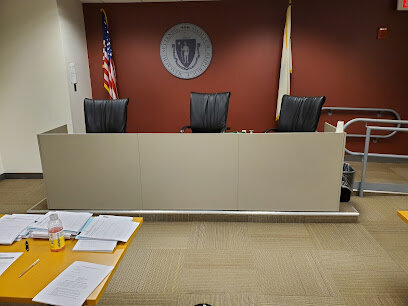
1. About Probation Violation Law in Connecticut, United States
Probation is a court-ordered disposition that allows a person to remain in the community under supervision and specific conditions. In Connecticut, probation terms are overseen through the Judicial Branch and its Office of Probation, with violations typically handled by the Superior Court in a probation revocation process. Violations can range from technical terms like missed appointments to new criminal offenses.
A probation violation can lead to a probation revocation hearing, where the state must show that a term of probation was violated and a judge decides whether to modify, extend, or revoke probation and potentially impose jail time or a new sentence. Connecticut courts emphasize due process protections during revocation hearings, including the right to counsel and to present evidence. Understanding the likely procedures helps people prepare a robust defense or negotiate favorable outcomes.
Probation revocation hearings in Connecticut are generally conducted as civil proceedings in which the probation officer or state must show a violation by a preponderance of the evidence.
Source: Connecticut Judicial Branch.
Below are sources you can consult for general descriptions of how probation and probation violations are handled in Connecticut: the Judicial Branch pages on probation matters, the Connecticut General Assembly statutes, and Department of Correction policies. These resources provide authoritative outlines of process, rights, and remedies.
Source: Connecticut Judicial Branch, Connecticut General Assembly, Connecticut Department of Correction.
2. Why You May Need a Lawyer
Facing a probation violation can have serious consequences, and concrete, Connecticut-specific scenarios often require legal guidance. A skilled attorney can help protect your rights and navigate the revocation process.
- You are accused of testing positive for drugs while on probation and face a drug testing or treatment violation allegation, with the possibility of immediate sanctions.
- You missed a required reporting date or failed to complete an approved treatment program due to a documented medical emergency or inability to attend, and you need a hardship explanation supported by evidence.
- You are charged with a new offense while on probation, triggering a revocation hearing and potential re-sentencing or jail time.
- You receive a warrant for arrest for alleged probation violations and need counsel to challenge the warrant or negotiate a favorable release plan.
- You have multiple prior violations and fear a revocation would result in a lengthy extension or a return to incarceration.
- You owe restitution or fines tied to probation terms and want to discuss possible modifications or payment plans while preserving your probation status.
In these situations, a Connecticut probation violation attorney can review the terms, challenge evidence, and seek alternatives such as modification, conditional discharge, or a treatment-focused plan. An attorney can also communicate with the probation office to present mitigating circumstances and preserve your rights.
Source: Connecticut Judicial Branch overview of probation processes and defense considerations. Judicial Branch.
3. Local Laws Overview
Connecticut governs probation through a combination of statutes, practice rules, and agency procedures. The following are widely referenced in probation violation matters and are useful starting points for understanding how Connecticut handles revocation and related hearings.
- Connecticut General Statutes on Probation and Revocation (Title 54 and related sections) - These statutes provide the framework for probation supervision, conditions, and the authority to revoke probation when violations occur. The statutes also describe rights and procedures for hearings in the Superior Court.
- Connecticut Practice Book - Probation Violation and Revocation Proceedings - The Practice Book contains the procedural rules governing how probation violation hearings are conducted, including notices, rights to counsel, and the burden of proof.
- Connecticut Department of Correction Administrative Directives on Probation Violation Procedures - These directives outline how probation violations are reported, investigated, and referred for revocation action within the state’s corrections framework.
Recent updates to practice rules and interpretations have focused on clarifying the rights of defendants during revocation hearings and the responsibilities of the probation department to present reliable, admissible evidence. For the most current versions, consult the Connecticut Judicial Branch, the Connecticut General Assembly, and the Department of Correction.
Sources: Connecticut General Assembly, Connecticut Judicial Branch, Connecticut Department of Correction.
4. Frequently Asked Questions
What exactly counts as a probation violation in Connecticut?
A probation violation occurs when a person does not comply with the conditions set by the court. Common examples include missing meetings, failing drug tests, failing to pay restitution, or committing a new offense while under supervision. Each violation can lead to a revocation hearing and potential sanctions.
How do I start a probation violation revocation hearing in CT?
A revocation hearing is typically initiated after a violation is alleged by a probation officer. Your lawyer can file motions, request a hearing date, and protect your rights throughout the process. You should respond promptly to any notices to avoid default outcomes.
What rights do I have during a probation violation hearing in Connecticut?
You have the right to counsel, to present evidence, to confront witnesses, and to cross-examine the accuser. You also have the right to a hearing within a reasonable time and to be informed of the nature of the alleged violations.
How much does a probation violation lawyer typically charge in CT?
Attorney costs vary by case complexity and location, but many Connecticut probation defense lawyers offer initial consultations at a reduced rate. Ask for a written fee agreement and an estimate of potential outcomes before hiring.
How long does a typical probation violation case take in Connecticut?
Processing times depend on court calendars and case complexity. A straightforward violation could be resolved in weeks, while cases with multiple issues may take months, including potential appeals or negotiated modifications.
Do I need to hire a lawyer for a probation violation in CT?
While it is possible to proceed without an attorney, a lawyer can help protect your rights, challenge evidence, and negotiate favorable terms. Counsel is especially important if you face potential jail time or complicated conditional terms.
Can a probation violation lead to jail time in Connecticut?
Yes. If a judge revokes probation, they may impose a stricter sentence, including incarceration, depending on the severity of the violation and your criminal history. The court considers safety, policy goals, and rehabilitation when deciding.
What is the standard of proof in CT probation revocation hearings?
Connecticut generally requires proof by a preponderance of the evidence for probation revocation decisions. This civil standard is lower than beyond a reasonable doubt used in criminal trials.
What is the difference between a technical violation and a new offense?
A technical violation is a failure to comply with non-criminal terms (like missing an appointment). A new offense is a separate criminal act committed while on probation, which can trigger a more serious revocation analysis.
How should I prepare for a probation violation hearing in CT?
Gather documents showing compliance with terms, any medical or practical excuses, and potential witnesses. Work with your attorney to prepare a narrative that mitigates risk and demonstrates responsibility and accountability.
Can I appeal a probation revocation decision in Connecticut?
Yes. You may pursue appellate review by the Connecticut courts if you believe the revocation was unlawful or the procedure violated your rights. Your attorney can advise on deadlines and grounds for appeal.
Is it possible to modify probation terms instead of revocation?
Yes. A judge can modify conditions to address the underlying issues and avoid revocation. Your lawyer can seek tailored modifications such as treatment programs, supervision adjustments, or payment plans.
5. Additional Resources
- Connecticut Judicial Branch - Official pages detailing probation, revocation procedures, and related court processes. https://jud.ct.gov
- Connecticut Department of Correction - Administrative guidance on probation and parole supervision, violations, and transfer processes. https://portal.ct.gov/DOC
- Office of the Public Defender (Connecticut) - Information about legal defense services in probation violation matters. https://portal.ct.gov/ODJP/Public-Defender
6. Next Steps
- Gather all case documents and the exact probation terms from your sentencing order within 3-7 days. This includes any treatment plans, reporting dates, and payment obligations.
- Identify a Connecticut probation violation attorney with experience in Superior Court revocation matters. Request consultations within 1-2 weeks.
- Bring all notices, arrest warrants, and any communication with your probation officer to the initial consultation. Prepare a list of questions about process, timelines, and potential outcomes.
- During intake, discuss possible defense strategies such as challenging evidence, presenting mitigating circumstances, or seeking modification rather than revocation.
- If a hearing is scheduled soon, have your attorney file necessary motions and ensure your rights to counsel and a fair hearing are protected.
- Comply with all current probation terms to avoid inadvertent additional violations while your case is pending.
- After the hearing, review all orders carefully with your attorney and consider appellate or modification options if the result is not favorable.
Lawzana helps you find the best lawyers and law firms in Connecticut through a curated and pre-screened list of qualified legal professionals. Our platform offers rankings and detailed profiles of attorneys and law firms, allowing you to compare based on practice areas, including Probation Violation, experience, and client feedback.
Each profile includes a description of the firm's areas of practice, client reviews, team members and partners, year of establishment, spoken languages, office locations, contact information, social media presence, and any published articles or resources. Most firms on our platform speak English and are experienced in both local and international legal matters.
Get a quote from top-rated law firms in Connecticut, United States — quickly, securely, and without unnecessary hassle.
Disclaimer:
The information provided on this page is for general informational purposes only and does not constitute legal advice. While we strive to ensure the accuracy and relevance of the content, legal information may change over time, and interpretations of the law can vary. You should always consult with a qualified legal professional for advice specific to your situation.
We disclaim all liability for actions taken or not taken based on the content of this page. If you believe any information is incorrect or outdated, please contact us, and we will review and update it where appropriate.