

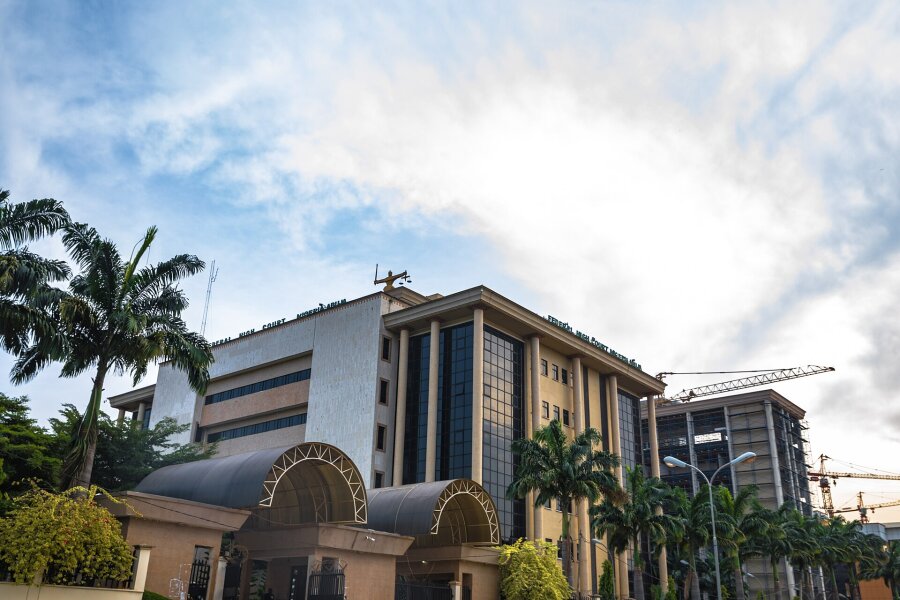
Best Affidavits & Statutory Declarations Lawyers in DR Congo
Share your needs with us, get contacted by law firms.
Free. Takes 2 min.
Or refine your search by selecting a city:
List of the best lawyers in DR Congo
We haven't listed any Affidavits & Statutory Declarations lawyers in DR Congo yet...
But you can share your requirements with us, and we will help you find the right lawyer for your needs in DR Congo.
Find a Lawyer in DR Congo




1. About Affidavits & Statutory Declarations Law in DR Congo
In the Democratic Republic of the Congo, affidavits and declarations sworn under oath are used to attest facts for civil, administrative, and sometimes commercial purposes. These documents are often called déclarations sous serment or affidavits in French contexts and are typically prepared to support court filings or administrative procedures. They are usually executed before a competent authority such as a notary public or a judicial officer and may require witnesses to confirm the statements made.
Authenticity and evidentiary value hinge on proper formation, sworn affirmations, and proper witnessing. In DR Congo, notaries and other authorized officials play a central role in verifying signatures, ensuring the declarant understands the content, and maintaining records that can be produced later in court or for government offices. The practical effect is to convert personal statements into evidence that a court or administration can rely on, subject to challenges for truthfulness or credibility.
For residents of DR Congo, affidavits and declarations are commonly used in property matters, family law, and administrative processes such as registry applications or business registrations. When preparing these documents, it is important to use correct terminology and to follow the procedural rules that apply to your matter and jurisdiction within the country.
2. Why You May Need a Lawyer
- Proving inheritance or succession in Kinshasa after a relative passes away. An affidavit may be used to establish kinship or to support a declaration of succession in court, but inaccuracies or improper witnessing can derail a claim. A lawyer ensures the statements are accurate, properly witnessed, and aligned with local customs and law.
- Resolving a land dispute with sworn witness statements when neighbours dispute possession. A lawyer helps draft affidavits that corroborate boundary lines, possession history, and prior transfers, reducing the risk of later challenges in court.
- Authenticating corporate documents for a DR Congo business registration where a sworn declaration confirms the company’s ownership, board composition, or source of funds. Proper legal drafting can prevent delays in obtaining a business permit or registration with the appropriate registry.
- Preparing declarations for divorce or child custody where factual statements about residence, finances, and childcare arrangements must be proved in court. A lawyer guides the content and ensures compliance with procedural rules to avoid later objections.
- Providing documentary evidence for cross border or international matters such as notarizing or swearing statements about assets, identity, or marital status when dealing with foreign authorities or courts. Legal counsel helps translate, certify and align affidavits with foreign requirements.
- Dealing with government agencies that require sworn statements for residency, naturalization, or benefit applications. A lawyer can confirm that the declarant is properly informed and that the statements have appropriate legal effect.
3. Local Laws Overview
The core legal framework for affidavits and sworn declarations in DR Congo centers on civil procedure and the role of notaries and other authorities in authenticating statements. The Code of Civil Procedure and related notarial regulations govern how affidavits are prepared, witnessed, and admitted as evidence in court. In practice, many affidavits are authenticated by notaries or judicial officers who certify signatures and the capacity of the declarant.
Two commonly cited legal texts and related concepts include the Code de Procédure Civile and the notariat regime that governs authentication of signed documents. In addition, rules on proof by written documents and acts under private signature (actes sous seing prive) shape how a DR Congo affidavit is treated in civil proceedings. For precise article numbers and the exact current text, consult official legal resources and the official gazette for updates.
Recent reforms in the justice sector in DR Congo have focused on improving access to civil justice and strengthening notarial authentication processes. While specific article numbers and dates may vary by edition, practitioners should verify the latest consolidated texts before drafting or filing affidavits. For up-to-date texts, consult authoritative public sources and the judiciary’s official publications.
According to the World Bank country profile, DR Congo continues to reform its judiciary to improve access to civil justice and the reliability of court processes. World Bank
UNDP notes ongoing efforts to strengthen judicial capacity and access to justice in DR Congo, including civil procedure and notarial practices. UNDP DR Congo
UNODC describes governance and legal reform efforts in DR Congo, with attention to evidence rules and sworn declarations in civil matters. UNODC
4. Frequently Asked Questions
What is an affidavit in DR Congo and how does it differ from a declaration?
An affidavit is a sworn written statement about facts, made under oath before an authorized official. A declaration is a formal statement of facts often used for administrative purposes; both can be used as evidence, but affidavits carry a stronger evidentiary status due to the oath.
How do I start preparing an affidavit in Kinshasa?
Consult a lawyer to draft the factual statements clearly and accurately. Then arrange to have the document witnessed and sworn before a notary or judicial officer, who will certify the oath and authenticity of signatures.
What is the proper authority to swear an affidavit in DR Congo?
Typically a notary public or a judicial officer is authorized to administer oaths and certify affidavits. In some contexts, a magistrate or a district court official may also perform this function.
Do I need a lawyer to prepare an affidavit in DR Congo?
No legal requirement compels you to hire a lawyer, but a lawyer helps ensure accuracy, compliance with local rules, and reduces the risk of later objections or challenges.
How much does it cost to draft and sworn an affidavit?
Costs vary by city and by the authority involved; typical fees include drafting, notary or magistrate charges, and any translation or certification costs. A local lawyer can provide an itemized quote before you proceed.
How long does it take to complete an affidavit for court submission?
Preparation and sworn execution can take from 1 to 5 business days, depending on the availability of witnesses and the scheduling of the notary or magistrate. Complex matters may require additional time for verification.
Do I need witnesses for an affidavit in DR Congo?
Yes, witnesses are commonly required to corroborate the declarant's statements, especially for real estate, inheritance, or corporate matters. The witnesses must meet the notary or official service’s requirements.
Can I file an affidavit directly with a court in DR Congo?
Affidavits are usually submitted as evidence in court filings or administrative processes; you may need to attach other documents. A lawyer can help ensure proper formatting and compliance with court rules.
What is the difference between an act under private signature and an authentic act?
An act under private signature is a document signed by the parties without a formal notarial seal; its evidentiary value may be weaker. An authentic act is certified by a notary and carries stronger legal weight.
What should I verify before submitting an affidavit to a DR Congo court?
Verify that the oath is correctly administered, signatures are authenticated, the declarant has understood the content, and all necessary annexes or translations are attached as required by the court.
Do I need translations for affidavits used abroad?
Yes, foreign authorities typically require translation into their official language and an apostille or equivalent legalization. A lawyer can arrange translations and authentication for international use.
Is there a formal checklist for affidavits in DR Congo?
While procedures vary by jurisdiction, a common checklist includes drafting with factual precision, oath before a competent official, witness statements, notarized signatures, and proper filing with relevant authorities.
5. Additional Resources
- - Provides context on judicial reforms and access to civil justice for DR Congo. https://www.worldbank.org/en/country/drc
- - Information on justice sector programs and capacity building related to civil procedure and notarial practices. https://www.cd.undp.org
- - Resources on governance, law, and justice reforms relevant to sworn declarations and evidence rules. https://www.unodc.org/africa/en/country/dr-congo.html
6. Next Steps
- Identify your specific affidavits and declarations need by listing the court or agency involved and the type of facts you must prove.
- Consult a DR Congo lawyer who specializes in civil procedure or notarial matters to review your facts and draft the document.
- Gather supporting documents such as identity papers, property records, witness statements, and any prior related filings.
- Schedule a meeting with a notary or judicial officer to certify the oath and confirm the declarant’s understanding of the content.
- Have witnesses available who meet local requirements and can attest to the declarant’s statements as needed.
- Have the affidavit translated or legalized for any foreign submission, if applicable, and ensure all annexes are complete.
- Submit the signed and sworn document along with any required attachments to the court or government agency, and track the processing timeline.
Lawzana helps you find the best lawyers and law firms in DR Congo through a curated and pre-screened list of qualified legal professionals. Our platform offers rankings and detailed profiles of attorneys and law firms, allowing you to compare based on practice areas, including Affidavits & Statutory Declarations, experience, and client feedback.
Each profile includes a description of the firm's areas of practice, client reviews, team members and partners, year of establishment, spoken languages, office locations, contact information, social media presence, and any published articles or resources. Most firms on our platform speak English and are experienced in both local and international legal matters.
Get a quote from top-rated law firms in DR Congo — quickly, securely, and without unnecessary hassle.
Disclaimer:
The information provided on this page is for general informational purposes only and does not constitute legal advice. While we strive to ensure the accuracy and relevance of the content, legal information may change over time, and interpretations of the law can vary. You should always consult with a qualified legal professional for advice specific to your situation.
We disclaim all liability for actions taken or not taken based on the content of this page. If you believe any information is incorrect or outdated, please contact us, and we will review and update it where appropriate.
Browse affidavits & statutory declarations law firms by city in DR Congo
Refine your search by selecting a city.