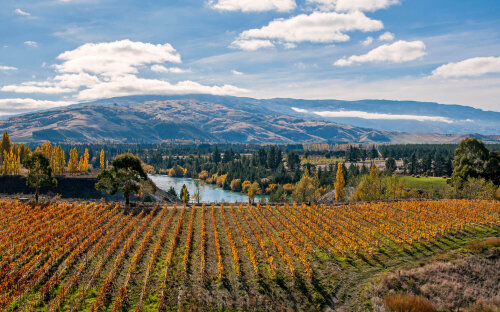
1. About Sanctions & Export Controls Law in Alexandra, New Zealand
Sanctions and export controls in New Zealand govern how goods, software and technology may be exported, imported or transacted with certain individuals, entities or countries. The regime is designed to implement United Nations measures as well as New Zealand-specific policy choices. For residents of Alexandra, this means local businesses must assess their supply chains, licensing requirements and counterparties with care to stay compliant.
At the core, sanctions restrict dealings with designated persons or countries, while export controls regulate the transfer of controlled goods and technology. Compliance helps protect New Zealand's international standing and reduces exposure to penalties, including fines and potential criminal charges. Local businesses, farmers, winemakers and exporters in Alexandra should understand both the law and the practical steps needed to maintain compliance.
2. Why You May Need a Lawyer
- You ship agricultural or wine products to international buyers and receive a notification that a recipient is designated or appears on a sanctions list. A lawyer can interpret the list, assess risk, and advise on licensing or termination of any dealings.
- You suspect a supplier or distributor used a sanctioned intermediary or country in a transaction. A legal counsel can help perform due diligence, advise on remedial steps, and prepare disclosures if required.
- You are applying for an export license or permit for dual-use or controlled goods. An attorney can guide you through the licensing process, prepare supporting documentation, and liaise with MFAT or Customs on conditions or timelines.
- Your business is audited or contacted by Customs or MFAT about possible sanctions or export control breaches. A solicitor can manage communications, gather records, and negotiate any penalties or settlements.
- You are defending against a potential breach allegation or pursuing a voluntary disclosure. A lawyer can assess exposure, advise on self-disclosure strategies and rights to remedy or leniency programs.
- You operate a local manufacturer or exporter and want to implement a robust internal compliance program. A solicitor can design policies, training plans and due diligence processes tailored to Alexandra-based operations.
3. Local Laws Overview
Changes to sanctions and export controls in New Zealand are implemented through national statutes and regulations administered by MFAT and the New Zealand Customs Service. Alexandra residents should refer to official government guidance for the most current rules and guidance on licensing and enforcement.
- United Nations Act 1945 - Enables New Zealand to implement United Nations security and sanctions measures. This act underpins many domestic sanctions obligations and is actively cited by government agencies when describing how UN resolutions are applied in New Zealand. See official information on MFAT's sanctions page for current UN-based measures and guidance.
- Export Control Act - Governs controls on the export of strategic or dual-use goods and technology. The act is administered with regulations and licensing administered by MFAT in coordination with other agencies. For the latest licensing pathways and requirements, consult MFAT and Legislation NZ resources.
- Customs and Excise Act 1996 - Provides the framework for declaring exports, classifying goods, and enforcing controls at the border. Customs processes export declarations and may require licenses or permits for controlled items. See the NZ Legislation site for the text of the act and official amendments.
Recent trends include strengthening alignment with international sanctions regimes and expanding the set of controlled dual-use goods in response to global events. For up-to-date, country-specific actions (including Russia- and Ukraine-related measures), consult MFAT's sanctions pages and the official legislation portals.
New Zealand regularly updates sanctions lists and licensing requirements to align with international obligations and national security priorities.
Source: MFAT sanctions overview and updates on current regimes. See https://www.mfat.govt.nz/en/what-we-do/sanctions/
Export controls are enforced through licensing regimes and border inspections to prevent listed goods from crossing the border without proper authorization.
Source: New Zealand Customs Service guidance on export controls and licensing. See https://www.customs.govt.nz/
4. Frequently Asked Questions
What is the difference between sanctions and export controls?
Sanctions restrict dealings with designated persons, entities or countries. Export controls regulate what goods or technology can be exported, and under what licenses. Both aim to prevent illicit transfers and protect national security.
How do I know if my shipment requires an export license?
Check the商品 classification and destination against the official sanctions and export control lists. If the goods are dual-use or listed as controlled, licensing from MFAT may be required before export.
When did New Zealand update its sanctions regime last?
New Zealand periodically updates sanctions in response to international events and UN resolutions. For current changes, review MFAT’s sanctions pages and notices of regulatory updates.
Where can I find the official list of sanctioned entities?
Official lists are maintained by MFAT and linked from their sanctions pages. Always verify against the latest published lists before engaging in transactions.
Why might a small Alexandra business face sanctions risk?
Even small exporters can be implicated through a supply chain or a customer with a sanctions exposure. Implementing basic due diligence and licensing checks reduces risk of inadvertent violations.
Can I represent a client in a sanctions violation investigation?
Yes, a lawyer with sanctions and export controls expertise can advise on disclosure, evidence gathering, and defense strategies. Do not speak with authorities without legal representation present.
Should I hire a sanctions and export controls lawyer for licensing issues?
If you anticipate or face licensing requirements, an attorney can assess your goods, prepare applications, and communicate with MFAT or Customs to improve licensing outcomes.
Do I need to register with MFAT or Customs for sanctions compliance?
No general registration is required, but you must comply with licensing, reporting and due diligence obligations. A lawyer can help you implement a compliant program tailored to your operations.
How long does a license application typically take?
Processing times vary by license type and complexity. A solicitor can help you prepare complete applications and liaise with authorities to minimize delays.
What is the process to self-disclose a potential breach?
Self-disclosure typically involves notifying the relevant authority, providing a detailed account and supporting records. Legal counsel can manage the disclosure and subsequent steps to seek a favorable outcome.
Is there a cost difference between sanctions guidance and general legal advice?
Yes, specialized sanctions and export controls work often requires specific licensing and compliance planning, which may have higher upfront costs but reduce risk of penalties or delays. An initial consultation can clarify fees.
Do I need to consult a local Alexandra or Otago-based lawyer?
Local counsel may be more familiar with region-specific suppliers and logistics, and they can coordinate with national agencies while understanding your business context in Alexandra.
5. Additional Resources
- Ministry of Foreign Affairs and Trade (MFAT) - Sanctions - Official NZ government guidance on operating under sanctions regimes and applying for licenses. mfat.govt.nz sanctions
- New Zealand Customs Service - Guidance on export controls, licensing, declarations and enforcement at the border. customs.govt.nz
- Legislation NZ - Access to the text of Acts and amendments including the United Nations Act and related export control provisions. legislation.govt.nz
6. Next Steps
- Identify your immediate exposure by listing all shipments, customers and intermediaries connected to Alexandra-based operations that involve overseas parties or dual-use items.
- Collect key documents such as contracts, invoices, licenses, product classifications, and supplier due diligence records for a preliminary assessment.
- Consult a Sanctions & Export Controls lawyer with NZ experience to review your exposure and outline licensing or remedial steps.
- Request a risk assessment and compliance workflow from your lawyer, including a tailored due diligence program for your supply chain.
- Submit any necessary voluntary disclosures under guidance from your lawyer, if a breach is suspected or confirmed.
- Implement a practical compliance program in your Alexandra business, including staff training, supplier screening and ongoing monitoring.
- Schedule periodic reviews with your lawyer to refresh licenses, update lists and adjust processes as regimes evolve.
Sources and official guidance:
Ministry of Foreign Affairs and Trade (MFAT) Sanctions: https://www.mfat.govt.nz/en/what-we-do/sanctions/
New Zealand Customs Service: https://www.customs.govt.nz/
Legislation NZ: https://www.legislation.govt.nz/
Lawzana helps you find the best lawyers and law firms in Alexandra through a curated and pre-screened list of qualified legal professionals. Our platform offers rankings and detailed profiles of attorneys and law firms, allowing you to compare based on practice areas, including Sanctions & Export Controls, experience, and client feedback.
Each profile includes a description of the firm's areas of practice, client reviews, team members and partners, year of establishment, spoken languages, office locations, contact information, social media presence, and any published articles or resources. Most firms on our platform speak English and are experienced in both local and international legal matters.
Get a quote from top-rated law firms in Alexandra, New Zealand — quickly, securely, and without unnecessary hassle.
Disclaimer:
The information provided on this page is for general informational purposes only and does not constitute legal advice. While we strive to ensure the accuracy and relevance of the content, legal information may change over time, and interpretations of the law can vary. You should always consult with a qualified legal professional for advice specific to your situation.
We disclaim all liability for actions taken or not taken based on the content of this page. If you believe any information is incorrect or outdated, please contact us, and we will review and update it where appropriate.