


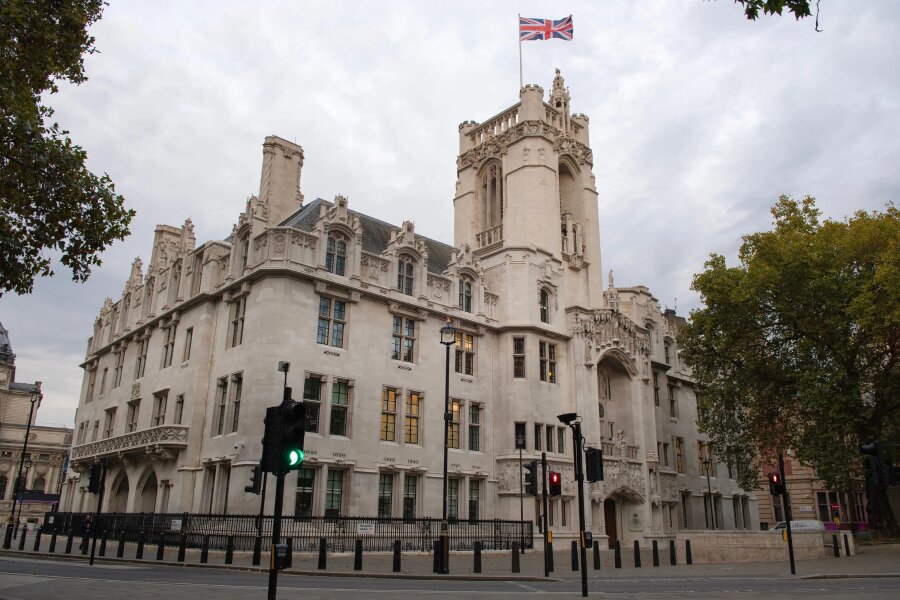
In a transformative judgment for Scottish criminal procedure, the United Kingdom Supreme Court fundamentally altered the application of "rape shield" laws, ruling that strict statutory exclusions of evidence must not compromise an accused's right to a fair trial. The Court addressed two appeals, Keir and Daly, where the High Court of Justiciary had previously excluded evidence deemed "collateral" to the charges. In the Daly case, the defense sought to introduce medical evidence proving that a complainant’s allegation of giving birth after a rape was biologically impossible, arguing this fabrication was central to her credibility. In Keir, the defense attempted to introduce evidence of consensual sexual activity occurring just hours before the alleged assault to provide necessary context to the jury.
The Supreme Court’s five-judge bench issued a declaratory judgment dismantling the mechanical application of the "collateral evidence" rule. The Court held that evidence cannot be excluded if it strikes at the core of the accusation or is necessary to evaluate the reliability of the complainant. Specifically, in Daly, the excluded medical evidence was deemed "capable of significantly undermining" the complainant's reliability, and its exclusion deprived the jury of essential tools to assess truthfulness. While the Crown Office maintained that statutory protections remain in place, the Law Society of Scotland welcomed the decision as a necessary correction to ensure the "full and proper defense" of the accused.
Source: Supreme Court UK