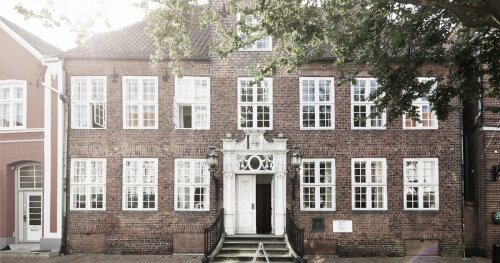
1. About Wage & Hour Law in Tønder, Denmark
Wage and hour matters in Tønder follow Danish national law, but enforcement and practical outcomes often hinge on local workplaces and sector practices. In Denmark, there is no statutory national minimum wage; wages are primarily set through collective agreements between employers and unions. This means that conditions such as hours, overtime, holiday pay, and sick pay can vary by industry and employer in Tønder.
Workers in Tønder commonly navigate wage and hour issues in sectors like agriculture, food processing, hospitality, and cross-border commerce with nearby Germany. Local inspections and remedies are coordinated through national authorities, while individual disputes are frequently resolved through negotiation, mediation, or legal action. Understanding your rights and the terms of the relevant collective agreement is essential for accurate pay and hours calculations.
Key takeaway: Wage and hour rights in Tønder are shaped by national statutes and sector agreements, with local employers expected to comply and provide clear records of hours worked and pay due. For accurate advice, identify the applicable collective agreement and consult with a lawyer who understands Danish employment law and regional practice.
According to Denmark's official law sources, wages are typically determined via collective agreements rather than a statutory minimum wage. This emphasizes the importance of knowing your sector's collective terms. Source: retsinformation.dk
2. Why You May Need a Lawyer
Working in Tønder, you may encounter complex payroll arrangements or enforcement issues that require legal assistance. A lawyer can help you interpret your rights, gather evidence, and pursue remedies efficiently.
- Overtime not paid or miscalculated in a seasonal farm contract: A farm worker on a multi-month season reports inconsistent overtime payments and unclear hours records. A lawyer can review time sheets, overtime rates, and any applicable sector agreement to recover owed wages.
- Night shift and rest period violations in a hospitality business: A hotel employee notices gaps in nightly rest periods and breaks. Legal counsel can assess compliance with the Working Time Act and negotiate corrective pay or back wages if needed.
- Unpaid wages after termination or resignation: An employee in a manufacturing plant in Tønder finds portions of accrued wages or holiday pay unpaid after leaving. An attorney can help secure full settlement and advise on holiday pay rules.
- Misclassification of workers as independent contractors: A cross-border worker or local temp staff is labeled as a contractor to avoid overtime or social contributions. A lawyer can evaluate classification and pursue appropriate wage and benefit claims.
- Disputes over holiday pay or holiday entitlement: An employee challenges how holiday pay is calculated or scheduled, especially when using holiday pay schemes. Legal counsel can interpret the Holiday Act provisions and negotiate a fair arrangement.
3. Local Laws Overview
Denmark regulates wage and hour matters through several core statutes, applied across all municipalities including Tønder. Understanding these acts helps you determine what you can claim and how to prove it in a dispute.
- Arbejdsloven (Act on Working Time): This statute governs the length of the work week, rest periods, breaks, night work, and overtime rules. It sets the framework for how many hours you can work and how you must be compensated for extra hours. Note: Many sectors rely on collective agreements to specify rates and specific conditions beyond the act.
- Ferieloven (Holiday Act): This act ensures paid annual holiday entitlement and the rules for taking holiday and calculating holiday pay. It applies to employees across Tønder and affects how and when you can take time off with payable compensation.
- Funktionærloven (Salaried Employees Act): This act covers terms for white-collar employees, including notice periods, job security, and certain dismissal protections. It interacts with sector agreements and influences how terminations and severance are handled in wage-related disputes.
Recent Danish enforcement trends emphasize aligning working time practices with EU directives while preserving sector-specific agreements. For precise provisions and amendments, consult official law databases and the Working Environment Authority’s guidelines. Arbejdstilsynet
For exact text and updates, use official Danish legal resources to view the current versions of these acts and their amendments. You should review the most recent consolidations and any sector-specific amendments relevant to your job in Tønder.
4. Frequently Asked Questions
What is the Danish Working Time Act and how does it apply to me?
The Working Time Act sets core rules for weekly hours, rest breaks, and overtime. It applies to most employees in Tønder and is frequently supplemented by sector agreements. Your specific hours and overtime rights depend on your contract and industry.
How do I know if I am entitled to overtime pay in Denmark?
Overtime pay depends on your contract and any applicable collective agreement. The act provides a framework for overtime eligibility, and your employer must record hours accurately. A lawyer can verify calculations against the agreement terms.
What is the process to file a wage dispute in Tønder?
Start by requesting a detailed payslip and time records from your employer. If unresolved, you can approach the local union representative or contact the Danish Working Environment Authority for guidance and, if needed, pursue legal action with a wage claim.
Do I need a lawyer to handle holiday pay disputes?
While some disputes can be settled informally, complex calculations or cross-border elements often require legal help. A lawyer can interpret the Holiday Act, review accruals, and negotiate a fair holiday pay outcome.
What constitutes a lawful termination and notice period in Denmark?
The Salaried Employees Act outlines standard notice requirements for termination. In many cases, sector agreements also set specific terms. Legal counsel can assess whether notice and severance meet statutory and contract requirements.
Can I challenge a misclassification as a contractor in Denmark?
Yes. If you believe you are treated as an independent contractor to avoid wage rights, a lawyer can examine control, economic dependence, and integration into the employer’s operations to pursue proper classification and back pay.
How long does a wage claim typically take to resolve in Denmark?
Resolution timelines vary by case complexity and court or mediation processes. Straightforward wage disputes may settle within weeks, while complex matters can take several months.
What evidence should I collect for a wage dispute?
Collect contracts, time sheets, payslips, collective agreement references, and correspondence with your employer. Accurate records support a stronger claim for unpaid wages or miscalculated overtime.
Is there a deadline to file wage claims in Denmark?
Claims must be filed within the applicable limitation period, which can vary by case type. A lawyer can confirm the exact deadline for your situation and ensure timely action.
What is the difference between holiday pay and holiday allowance?
Holiday pay compensation is paid for time off, while holiday allowance is a separate provision enabling paid leave. The two concepts are defined in the Holiday Act and related sector agreements, so your entitlement depends on your arrangement.
How can I enforce a wage judgment if my employer does not pay?
You may pursue a wage claim through Danish courts or enforcement authorities. A lawyer can guide you through the process, including collecting evidence and seeking enforcement measures if necessary.
Do I qualify for legal aid or free initial advice in wage disputes?
Eligibility for legal aid depends on your income and the case type. Many unions also provide free guidance or advocacy services for members facing wage disputes in Tønder.
5. Additional Resources
- Arbejdstilsynet (Danish Working Environment Authority) - Official body that enforces working conditions, health, safety, and certain wage practices in workplaces across Denmark, including Tønder. https://www.arbejdstilsynet.dk
- Retsinformation - Central Danish government repository of current laws and amendments, including Arbejdsloven, Ferieloven, and Funktionærloven. https://www.retsinformation.dk
- Statistics Denmark (DST) - Official source for labor market statistics, which can contextualize wage trends, employment rates, and sectoral changes relevant to wage and hour concerns in Tønder. https://www.dst.dk
6. Next Steps
- Identify your issue - List whether the dispute concerns overtime, holiday pay, termination, or misclassification. Gather all relevant documents and records from your job in Tønder.
- Check the applicable law and contract - Determine which act and any sector agreement apply to your situation. Review your contract, payslips, and time records for accuracy.
- Gather evidence - Compile contracts, time sheets, payslips, emails, and any notices related to your wage or hours. Document dates, times, and amounts precisely.
- Consult a Wage & Hour lawyer - Choose a Danish employment lawyer or a solicitor with experience in wage and hour disputes in Tønder or Southern Denmark. Schedule an initial consultation to review your files.
- Request a formal assessment - Ask your lawyer to assess whether you should pursue mediation, a formal complaint to Arbejdstilsynet, or court action. Consider the most cost-effective path.
- Engage with unions or official bodies - If you are a union member, contact your union for guidance or representation. You may also consult the Danish Working Environment Authority for procedural steps.
- Plan for resolution and timelines - Develop a realistic timeline with your attorney, including potential mediation, court deadlines, and enforcement steps if needed. Stay prepared for a multi-step process.
Lawzana helps you find the best lawyers and law firms in Tønder through a curated and pre-screened list of qualified legal professionals. Our platform offers rankings and detailed profiles of attorneys and law firms, allowing you to compare based on practice areas, including Wage & Hour, experience, and client feedback.
Each profile includes a description of the firm's areas of practice, client reviews, team members and partners, year of establishment, spoken languages, office locations, contact information, social media presence, and any published articles or resources. Most firms on our platform speak English and are experienced in both local and international legal matters.
Get a quote from top-rated law firms in Tønder, Denmark — quickly, securely, and without unnecessary hassle.
Disclaimer:
The information provided on this page is for general informational purposes only and does not constitute legal advice. While we strive to ensure the accuracy and relevance of the content, legal information may change over time, and interpretations of the law can vary. You should always consult with a qualified legal professional for advice specific to your situation.
We disclaim all liability for actions taken or not taken based on the content of this page. If you believe any information is incorrect or outdated, please contact us, and we will review and update it where appropriate.