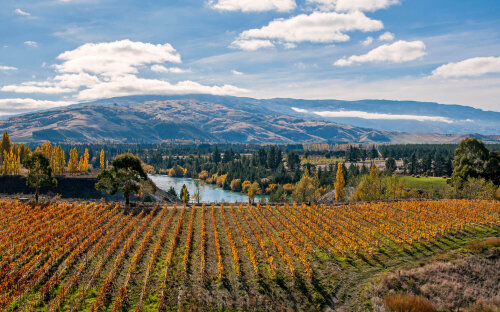
1. About Agriculture Law in Alexandra, New Zealand
Agriculture law in Alexandra rests on a framework of national statutes and local regulations. It covers resource use, environmental obligations, animal welfare, pest control, and land use decisions affecting farms and agribusinesses. In Alexandra, which sits in Central Otago, enforcement and administration are shared between national agencies and local councils.
Farmers and landowners must navigate consent processes for water takes and discharges, rules for stock access to waterways, and welfare standards for livestock. Local implementation is carried out by the Otago Regional Council and the Central Otago District Council, which issue permits and monitor compliance within the district and region. This guide explains key considerations and practical steps for residents of Alexandra seeking legal guidance in agriculture matters.
Because rules change over time, it is wise to obtain up-to-date advice from a local lawyer who understands both national requirements and the Otago region’s plans. For broader context, you can review official government information on freshwater management, biosecurity, and animal welfare.
2. Why You May Need a Lawyer
- Water takes and irrigation planning near Alexandra - If your vineyard, orchard, or dairy operation requires a new water take consent, a lawyer can help assemble technical reports, interpret ORC rules, and navigate the consent timeline (typically several months) to avoid delays.
- Discharges and farm effluent compliance - Farms may need discharge authorisations for irrigation or effluent storage under the Regional Plan: Water. A legal adviser can assess your current practices, prepare a compliance plan, and respond to any enforcement action from the council.
- Subdivision or land use changes on rural land - Converting rural land to lifestyle blocks or changing use may require resource consent and adherence to rural zoning rules in the Central Otago District Plan. An attorney can identify thresholds and prepare the necessary applications.
- Animal welfare investigations or obligations - If MPI raises concerns about on-farm animal welfare, a lawyer can help with responses, evidence gathering, and compliance steps to protect your operation and minimize disruption.
- Pest management and biosecurity duties - The Biosecurity Act 1993 imposes duties to manage pests and disease risk on farms. Legal counsel can help you develop an biosecurity plan and respond to any regulatory notices.
- Due diligence during farm acquisitions or leasing - When buying or leasing a farm in Alexandra, a lawyer can review consents, plan compliance, and identify any known or latent compliance risks before settlement.
3. Local Laws Overview
The Alexandra area is governed by a mix of national legislation and local plans. Below are the principal statutes and regulatory instruments relevant to farming in this region. Always verify current texts and local rules, as amendments and plan changes occur regularly.
Resource Management Act 1991 (RMA)
The RMA provides the overarching framework for land, air and water use, and discharges on farms. In Alexandra, the Otago Regional Council (ORC) administers consent processes and plans to manage freshwater quality and habitat. Key changes have come through the National Policy Statement for Freshwater Management, which directs regional councils to improve water quality and ecosystem health. For background on freshwater reform, see the official government resources on freshwater management.
For a general overview and the latest statutory text, you can consult
environment.govt.nz/freshwater and legislation.govt.nz.
Biosecurity Act 1993
The Biosecurity Act regulates pests, diseases, and border controls affecting agriculture. It imposes duties on landowners to manage pests and respond to incursions that could harm farming operations. Local code and regional plans work with national biosecurity requirements to protect crops, livestock, and biodiversity.
For official information on the Act and biosecurity measures, see
mpi.govt.nz - Biosecurity and legislation.govt.nz.
Animal Welfare Act 1999
The Animal Welfare Act sets minimum welfare standards for farmed animals and establishes enforcement options for breaches. It is complemented by regulations and codes of welfare that apply to farm management practices in Alexandra. Non-compliance can lead to investigations, penalties, or corrective actions that impact operations and supply chains.
For the statutory text and current regulations, see
legislation.govt.nz - Animal Welfare Act 1999.
Local Plans and Regulations (Otago Region and Central Otago District)
In addition to national laws, two local planning instruments govern agricultural activities in Alexandra:
- Otago Regional Council Regional Plan: Water - governs water use and discharges within the Otago region, including irrigation schemes and rural discharges.
- Central Otago District Plan - regulates land use, subdivision, and rural activities within the Central Otago District, including Alexandra and surrounding rural zones.
See these councils for current plan documents and amendments: Otago Regional Council and Central Otago District Council.
The plan documents are updated periodically, and councils issue notices, consents, and compliance guidance in line with the RMA and national policy statements.
4. Frequently Asked Questions
What is the Resource Management Act and why does it matter?
The Resource Management Act (RMA) governs how land, water and air are used and protected. It requires resource consents for significant activities on farms, such as large water takes or discharges. In Alexandra, ORC administers these rules under the RMA framework.
How do I apply for a new water take consent near Alexandra?
You typically prepare a consent application with technical reports on ecological impact, hydrology, and farming practices. The process involves consultation, potential public notification, and a decision by the consent authority. Timelines vary but often run several months.
When can a farm discharge be authorised under the Regional Plan: Water?
Discharges require an authorisation if they are likely to affect water quality or habitats. A lawyer can help you prepare a discharge plan, respond to inquiries, and ensure compliance with consent conditions.
Where do I find the current rural zoning rules for Alexandra?
Rural zoning rules are located in the Central Otago District Plan and the Otago Regional Council plan documents. These outline permitted activities and when consents are needed.
Why is the National Policy Statement for Freshwater Management important?
The NPS-FW directs how freshwater resources must be managed across regions. It pushes for improvements in water quality and ecological health that affect farming practices and consent requirements.
Can animal welfare rules affect daily farm operations near Alexandra?
Yes. The Animal Welfare Act sets minimum standards for livestock care, handling and housing. Non-compliance can trigger investigations and penalties that disrupt farming operations.
Should I engage a lawyer for a farm purchase in Alexandra?
Yes. A lawyer can review existing consents, identify compliance gaps, and help negotiate terms. Due diligence reduces risk when acquiring land with active resource permissions.
Do I need advice if I want to expand an irrigation system?
Expansion may require additional water takes or changes to existing consents. A lawyer can assess consent thresholds, prepare applications, and help coordinate with ORC staff.
Is there a difference between a lawyer and a solicitor for agriculture matters?
Commonly used terms include lawyer, solicitor, and barrister. In New Zealand, many practitioners are solicitors. The key factor is experience with agricultural and environmental law in Otago.
How long does it take to resolve a council objection to a rural subdivision?
Objections can extend the timeline by several months. A lawyer can help prepare robust submissions, negotiate with the council, and seek mediated solutions where possible.
What costs should I expect when hiring a local agriculture lawyer?
Costs vary, but you can expect an initial consultation fee, followed by hourly rates plus possible fixed-fee packages for specific tasks like consent applications. Ask for a budget and milestones at the outset.
5. Additional Resources
Access to authoritative, official sources helps with understanding your rights and obligations:
- Otago Regional Council (ORC) - administers regional resource management plans including water restrictions and consents in the Otago region. orc.govt.nz
- Central Otago District Council (CODC) - administers local district plans and subdivision rules for Alexandra and surrounding rural areas. codc.govt.nz
- Ministry for Primary Industries (MPI) - provides guidance on biosecurity, plant and animal health, and pest management. mpi.govt.nz
- Environment Ministry - Freshwater Management - government information about freshwater policy and management under the RMA framework. environment.govt.nz/freshwater
- Legislation New Zealand - official source for acts including the Resource Management Act, Biosecurity Act, and Animal Welfare Act. legislation.govt.nz
6. Next Steps
- Clarify your objective and collect documents. Gather consent notices, property titles, plans, and any existing council correspondence. This provides a clear starting point for advice.
- Identify the likely legal issues. Decide if your matter involves water takes, discharges, subdivision, welfare, or biosecurity, so you know which specialist to hire.
- Find a local agriculture lawyer with Otago experience. Look for someone who has worked on RMA matters, local plan interpretations, and farm compliance in Alexandra, Clyde, or surrounding towns.
- Request a preliminary consultation. Bring a list of questions, fees, and a rough budget. Ask about typical timelines and deliverables for your issue.
- Obtain a written engagement plan. Ensure scope, milestones, costs, and communications are clear before proceeding.
- Prepare for the engagement. Provide all planning documents, site maps, and any council correspondence. The more complete your file, the smoother the process.
- Review progress and adjust as needed. Regular updates help you stay informed about consent statuses, compliance actions, or potential settlement options.
Lawzana helps you find the best lawyers and law firms in Alexandra through a curated and pre-screened list of qualified legal professionals. Our platform offers rankings and detailed profiles of attorneys and law firms, allowing you to compare based on practice areas, including Agriculture, experience, and client feedback.
Each profile includes a description of the firm's areas of practice, client reviews, team members and partners, year of establishment, spoken languages, office locations, contact information, social media presence, and any published articles or resources. Most firms on our platform speak English and are experienced in both local and international legal matters.
Get a quote from top-rated law firms in Alexandra, New Zealand — quickly, securely, and without unnecessary hassle.
Disclaimer:
The information provided on this page is for general informational purposes only and does not constitute legal advice. While we strive to ensure the accuracy and relevance of the content, legal information may change over time, and interpretations of the law can vary. You should always consult with a qualified legal professional for advice specific to your situation.
We disclaim all liability for actions taken or not taken based on the content of this page. If you believe any information is incorrect or outdated, please contact us, and we will review and update it where appropriate.