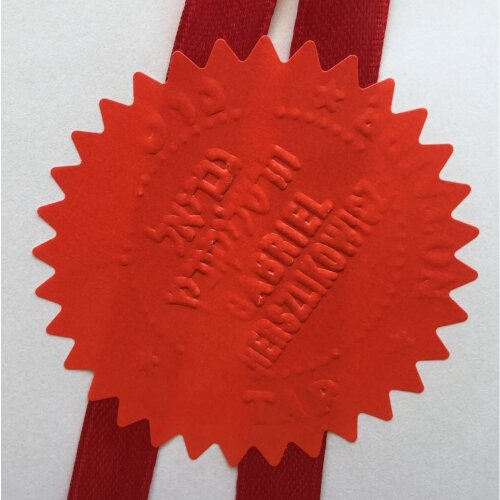
About Apostille & Embassy Legalization Law in Kfar Saba, Israel
Apostille and embassy legalization in Kfar Saba, Israel, refer to the process of certifying a public document so it will be recognized in another country. In Israel, the typical path involves notarial authentication, possible verification by a government authority, and final authentication by the Ministry of Foreign Affairs or the recipient country’s embassy or consulate. Most residents of Kfar Saba need apostilles for birth and marriage certificates, educational diplomas, corporate documents, and court orders when using them abroad.
Understanding the steps helps prevent delays and mistakes. A common sequence is notary certification, court verification if required, MOFA authentication for apostille, and then any country specific embassy legalization if the destination country does not recognize the apostille alone.
For residents of Kfar Saba, proximity to Tel Aviv and Jerusalem means you may use local notaries in Kfar Saba for initial attestations and then travel to MOFA offices in Tel Aviv or Jerusalem for the apostille. This approach minimizes handling time and reduces the risk of document rejection abroad.
Why You May Need a Lawyer
- Immigration or adoption paperwork for family members: A Kfar Saba family preparing for immigration to Canada must ensure birth certificates and marriage certificates are properly notarized and apostilled to meet Canadian authorities' requirements.
- Educational documents for overseas study: A student from Kfar Saba applying to a university in the United Kingdom needs diplomas and transcripts apostilled, otherwise admissions may be delayed or denied.
- Corporate documents for foreign investors or partners: A local startup in Kfar Saba seeking funding abroad requires board resolutions and incorporation certificates to be properly apostilled or legalized before partners will accept them.
- Legal orders or court documents used abroad: A court order or divorce decree issued in Israel may require careful chain authentication to be enforceable in another country, otherwise recognition could be challenged.
- Property or asset transfers involving foreign buyers: When a Kfar Saba resident handles a sale of property to a foreign buyer, powers of attorney and company documents often require apostille to avoid title transfer issues.
- Translations paired with certification: Translated documents must often be certified and then apostilled; a lawyer can coordinate translation, notarization, and apostille to prevent rejections at the destination country.
Local Laws Overview
Hague Convention on the Abolition of Legalisation for Foreign Public Documents (1961) governs apostille requirements for documents used abroad. Israel participates in the convention, and MOFA is typically the main issuer of apostilles for Israeli public documents.
Notaries Law and related regulatory framework governs the practice of notaries in Israel who attest documents prior to apostille or legalization. A correctly executed notarial act is often a prerequisite for successful MOFA authentication.
Ministry of Justice guidelines and MOFA procedures outline the steps for different document types and the authorities involved in the chain of authentication. These guidelines help determine whether a document requires only an apostille or additional embassy legalization.
Israel is a party to the Hague Apostille Convention, and apostilles are issued through the Ministry of Foreign Affairs for eligible public documents.
For residents of Kfar Saba, the practical path often starts with a local notary or lawyer, followed by MOFA authentication in Tel Aviv or Jerusalem, and then embassy checks if the destination country requires more than an apostille. The official MOFA pages provide the authoritative workflow and up-to-date requirements.
Recent trends include streamlined appointment scheduling and clearer guidance on document types that require apostille versus full legalization. These changes aim to reduce processing times and minimize back-and-forth with clerks. For authoritative steps, consult MOFA and gov.il resources listed in the Further Resources section.
Frequently Asked Questions
What is an apostille and when do I need one?
An apostille is a certificate that authenticates the signature and seal on a public document for use abroad. You need one when your Israeli document will be presented in another country that is a party to the Hague Convention.
How do I get an apostille for an Israeli birth certificate?
First obtain a certified copy or long-form birth certificate, have any required translations, then have the document notarized if needed. Submit to the Ministry of Foreign Affairs for the apostille, following the MOFA guidelines.
Where can I submit documents for apostille in Israel?
The primary route is through the Ministry of Foreign Affairs offices in Jerusalem or Tel Aviv, often after notarial attestation. Some cases may be handled via local notaries or district authorities, depending on document type.
How long does the apostille process take in Israel?
Typical timelines range from 3 to 7 business days for straightforward public documents. Complex or multilingual documents can take longer if translations or embassy verifications are required.
Do I need a lawyer or notary for apostille in Kfar Saba?
A lawyer or licensed notary can help prepare documents, ensure proper notarization, and manage the order of steps. They can prevent common errors that lead to delays or rejection abroad.
How much does an apostille cost in Israel?
Fees vary by document type and service level. Expect charges for notary services, MOFA authentication, and any translation or courier costs; your lawyer can provide a precise quote.
Can I apostille a translated document or only originals?
Many jurisdictions accept apostilled translations if the translation is certified and accompanies the original document. Verification requirements differ by country, so confirm with the destination authorities.
What is the difference between apostille and embassy legalization?
An apostille authenticates a public document for use in a Hague Convention country. Embassy legalization is used when the destination country is not a party to the convention or has specific requirements.
Do university diplomas require legalization for the UK or other countries?
Diplomas typically require an apostille for use in Hague Convention countries. However, some countries may also require additional attestations by their embassy or consulate.
Do I need a criminal record certificate apostilled for a visa?
Some visa or immigration processes require an apostilled criminal record certificate. Check the destination country’s consulate requirements to determine exact steps.
What documents can be apostilled in Israel besides birth certificates?
Apostilleable documents include academic diplomas and transcripts, marriage and divorce certificates, corporate documents, court judgments, and government-issued records that are public documents.
Additional Resources
- Ministry of Foreign Affairs (Israel) - Apostilles and Legalizations: Official guidance on the apostille process, required steps, and where to submit documents. mfa.gov.il
- Israel Government Portal (gov.il) - Apostille and Legalization of Documents: Centralized information for residents seeking authentication and legalization services. gov.il
- Ministry of Justice (Israel) - Notaries and Attestations: Details on notary roles and attestations that may precede MOFA authentication. gov.il
Next Steps
- Define your destination country and document types; list all documents you will need to present abroad.
- Choose a local attorney or licensed notary in Kfar Saba with experience in apostilles and legalizations; request a written scope of work and fee estimate.
- Gather originals or certified copies, ensure any required translations are prepared by a certified translator, and arrange notary attestations if needed.
- Submit documents to the Ministry of Foreign Affairs for apostille or to the relevant embassy if legalization is required; track processing times with the service provider.
- Confirm whether the destination country requires embassy legalization in addition to an apostille; schedule additional steps if necessary.
- Obtain receipt confirmations and keep a file with all documents, dates, and contact persons for reference and future needs.
- Present the apostilled or legalized documents to the requesting institution abroad; be prepared to provide translations and clarification if questioned.
Lawzana helps you find the best lawyers and law firms in Kfar Saba through a curated and pre-screened list of qualified legal professionals. Our platform offers rankings and detailed profiles of attorneys and law firms, allowing you to compare based on practice areas, including Apostille & Embassy Legalization, experience, and client feedback.
Each profile includes a description of the firm's areas of practice, client reviews, team members and partners, year of establishment, spoken languages, office locations, contact information, social media presence, and any published articles or resources. Most firms on our platform speak English and are experienced in both local and international legal matters.
Get a quote from top-rated law firms in Kfar Saba, Israel — quickly, securely, and without unnecessary hassle.
Disclaimer:
The information provided on this page is for general informational purposes only and does not constitute legal advice. While we strive to ensure the accuracy and relevance of the content, legal information may change over time, and interpretations of the law can vary. You should always consult with a qualified legal professional for advice specific to your situation.
We disclaim all liability for actions taken or not taken based on the content of this page. If you believe any information is incorrect or outdated, please contact us, and we will review and update it where appropriate.