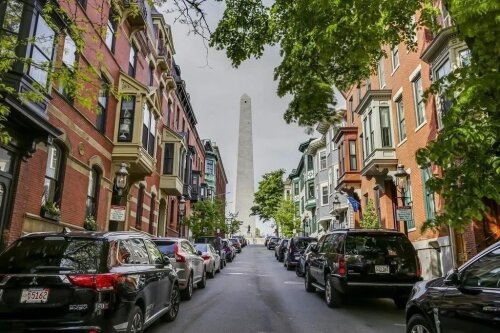
1. About Commercial Real Estate Law in Charlestown, United States
Charlestown is a neighborhood within the City of Boston, Massachusetts. Real estate activity here is governed by a mix of state laws and City of Boston regulations, plus federal guidance for financing and environmental matters. Understanding both the Massachusetts framework and local Boston rules helps property owners, developers, and tenants navigate transactions, leases, and development projects in Charlestown.
Key areas include title and due diligence, contract and lease negotiation, zoning and permitting, environmental considerations, and dispute resolution. Because Charlestown properties range from historic commercial storefronts to modern office spaces and redevelopment sites, counsel with practical local knowledge is often essential. A local attorney can connect you with the relevant Boston agencies, including the BPDA and the Boston Landmarks Commission when historic or design review issues arise.
For residents and business owners in Charlestown, staying informed about city planning cycles and zoning updates can affect project timelines and costs. This guide highlights concrete scenarios, applicable laws, common questions, and practical steps to engage legal counsel effectively. Always verify with official sources for the most current requirements in Charlestown.
2. Why You May Need a Lawyer
-
Buying or selling a Charlestown commercial building with complex title history. A title defect, lien, or easement can derail a closing. An attorney helps perform title due diligence, clears defects, and negotiates indemnities or closing conditions to protect your investment.
-
Negotiating a long-term commercial lease for a Charlestown storefront or office. Leases often include CAM charges, pass-through costs, renewal options, and tenant improvements. A lawyer drafts or reviews the lease to minimize financial exposure and preserve options.
-
Redevelopment or adaptive reuse of historic properties in Charlestown. Projects near the Charlestown Historic District require design review and compliance with local historic preservation rules. A solicitor coordinates with the Boston Landmarks Commission and BPDA as needed.
-
Seeking variances or special permits for zoning changes. If a project does not fit standard zoning, you may pursue a variance or a special permit from Boston zoning authorities. A lawyer guides applications, hearings, and condition compliance.
-
Financing a Charlestown project with environmental diligence. Lenders often require Phase I Environmental Site Assessments and, if needed, Phase II investigations. An attorney coordinates environmental reports with lenders and auditors.
-
Disputes over rent, CAM charges, or property maintenance responsibilities. Landlords and tenants in Charlestown may encounter CAM reconciliations, service-level disputes, or habitability concerns that require negotiation or litigation strategy.
3. Local Laws Overview
The legal landscape for commercial real estate in Charlestown blends state statutes, city regulations, and historic district considerations. The following outlines key statutory and regulatory frameworks that frequently impact Charlestown deals.
“The purpose of zoning is to regulate land use and development to protect the health, safety, and welfare of the public.”
Source: Massachusetts General Laws Chapter 40A (Zoning). See: https://malegislature.gov/Laws/GeneralLaws/Chapter40A
“Building codes establish the minimum requirements for safe construction, structural integrity, and occupancy standards.”
Source: Massachusetts State Building Code, 780 CMR. See: https://www.mass.gov/regulations/780-cmr
The local layer includes Boston-specific zoning and historic district oversight that affects Charlestown properties. Boston’s planning and preservation agencies administer these processes, with involvement from the Boston Planning & Development Agency (BPDA) and the Boston Landmarks Commission.
Local and state authorities to engage in Charlestown includes:
- Massachusetts General Laws Chapter 40A (Zoning) - sets the statewide framework for land use regulation; municipalities adopt and apply zone districts and special permits within that framework. See the official source above.
- Massachusetts State Building Code, 780 CMR - governs construction permits, building safety, and occupancy requirements for commercial properties. See the official source above.
- City of Boston planning and historic districts oversight - Charlestown projects may involve BPDA processes for zoning amendments and the Boston Landmarks Commission for historic district reviews. See official Boston planning and landmarks resources linked below.
“Historic Districts are designated to protect the architectural and cultural heritage of Boston's neighborhoods, including Charlestown, through designated review and design guidelines.”
Source: Boston Landmarks Commission and Boston Plans (Historic Districts information). See: https://www.boston.gov/departments/landmarks and https://www.bostonplans.org
4. Frequently Asked Questions
What is commercial real estate law and how does it affect Charlestown?
Commercial real estate law covers buying, selling, leasing, financing, and development of business properties. In Charlestown, it also intersects with Boston zoning and historic district rules. A local attorney helps coordinate with BPDA and the Landmarks Commission when needed.
How do I start the process of buying commercial property in Charlestown?
Begin with a qualified title search and a property condition assessment. Engage a real estate attorney to draft the purchase agreement, coordinate due diligence, and ensure lender-required documents are in order. Plan for a closing timeline of 30-60 days after due diligence completes.
How much should I expect to pay for a Charlestown commercial real estate lawyer?
Fees vary by transaction and complexity, typically on an hourly basis or as a flat fee for specific tasks. For a straightforward purchase or lease review, budget several hundred to a few thousand dollars. Complex development or litigation matters cost more.
Do I need a Phase I Environmental Site Assessment for Charlestown properties?
Yes, lenders often require a Phase I ESA for commercial real estate financing in urban Massachusetts. If concerns arise, a Phase II may be pursued to assess potential contamination. An attorney coordinates with the environmental consultant and lender requirements.
What is a net lease and how is CAM charged in Charlestown?
A net lease shifts some or all property expenses to the tenant, including CAM charges. CAM costs can include common area maintenance, insurance, and taxes. A lawyer helps negotiate caps, audit rights, and reconciliation procedures.
How long does it take to obtain a Certificate of Occupancy in Charlestown?
Processing times vary by project scope and the issuing department. For straightforward commercial occupancy in Boston, expect several weeks to a few months. An attorney coordinates submissions and responds to comments from the building department.
What is a zoning variance and when might I need one in Charlestown?
A variance relaxes zoning requirements when compliance would cause undue hardship. In Charlestown, you may seek a variance from Boston zoning authorities for unusual site conditions or nonconforming use. The process includes public hearings and a decision by the zoning board.
What is the difference between a local zoning amendment and a BPDA project approval?
A zoning amendment changes the zoning map or text, typically requiring public hearings and city approvals. A BPDA project approval covers a proposed development plan, including design review and permitting. Both can apply to Charlestown developments.
Can historic district rules affect my Charlestown commercial project?
Yes. If a property is within a designated historic district, exterior changes may require review by the Boston Landmarks Commission. Securing appropriate approvals can impact design timelines and costs. Always check historic requirements early.
Should I hire a local Charlestown specialist or a broader Boston real estate lawyer?
A local Charlestown specialist understands neighborhood specifics and agency contacts. A broader Boston real estate lawyer may offer more extensive experience with city-wide processes. Consider a lawyer with proven Charlestown or nearby neighborhood experience.
What is an exclusive broker agreement and why use one in Charlestown?
An exclusive broker agreement gives a single broker the right to represent you in a transaction. It clarifies duties, commisions, and timelines. This can streamline negotiations and ensure a coordinated approach to due diligence and closing.
5. Additional Resources
Access authoritative government and planning resources to support Charlestown commercial real estate work:
6. Next Steps
- Define your objective and budget. Clarify whether you are buying, leasing, or redeveloping, and set a clear budget range including contingencies. This helps target the right legal expertise early.
- Compile a short list of Charlestown-experienced lawyers. Prioritize attorneys who regularly handle Charlestown or Boston commercial transactions, zoning, and historic district matters. Request references and sample engagements.
- Verify experience with local agencies. Confirm familiarity with BPDA processes, the Boston Landmarks Commission, and local permitting timelines. Ask about recent Charlestown cases they have handled.
- Schedule consultations with 2-3 candidates. Use 30-60 minute sessions to discuss scope, timelines, and fee structures. Bring a draft agreement, lease, or purchase contract if available.
- Request a written engagement letter and fee schedule. Obtain clarity on hourly rates, flat fees, and any disbursements. Ensure you understand who handles negotiations and who will be your primary point of contact.
- Assess communication and responsiveness. Confirm availability for hearings, meetings, and deadlines. A responsive attorney helps avoid closing delays and compliance gaps.
- Make a selection and sign a retainer agreement. After choosing, sign promptly to mobilize due diligence, title work, and permitting tasks. Establish a kickoff plan with milestones and a projected closing date.
Lawzana helps you find the best lawyers and law firms in Charlestown through a curated and pre-screened list of qualified legal professionals. Our platform offers rankings and detailed profiles of attorneys and law firms, allowing you to compare based on practice areas, including Commercial Real Estate, experience, and client feedback.
Each profile includes a description of the firm's areas of practice, client reviews, team members and partners, year of establishment, spoken languages, office locations, contact information, social media presence, and any published articles or resources. Most firms on our platform speak English and are experienced in both local and international legal matters.
Get a quote from top-rated law firms in Charlestown, United States — quickly, securely, and without unnecessary hassle.
Disclaimer:
The information provided on this page is for general informational purposes only and does not constitute legal advice. While we strive to ensure the accuracy and relevance of the content, legal information may change over time, and interpretations of the law can vary. You should always consult with a qualified legal professional for advice specific to your situation.
We disclaim all liability for actions taken or not taken based on the content of this page. If you believe any information is incorrect or outdated, please contact us, and we will review and update it where appropriate.