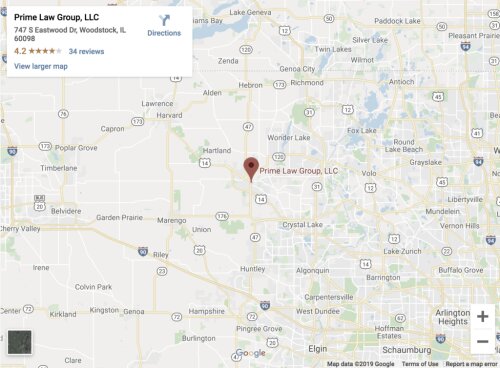
1. About Conveyancing Law in Woodstock, United States
Conveyancing is the legal process of transferring real property ownership from a seller to a buyer. In Woodstock, New York, this process typically includes a title search, drafting or reviewing a deed, arranging financing if needed, and recording the transfer with the county clerk. A successful conveyance also involves obtaining title insurance and resolving any title defects before closing.
In New York State, the closing is usually conducted with the involvement of attorneys for the buyer and seller. The attorney helps ensure the deed, mortgage documents, and closing statements comply with New York law and protect the client’s interests. Title companies or lenders may also participate by issuing a title commitment and requiring certain conditions to be met before funds are disbursed.
The Woodstock area sits in Ulster County, so local property records, recording requirements, and tax considerations largely flow through county and town offices. Recording a deed in Ulster County makes the transfer a matter of public record and determines priority of ownership and liens. These interactions shape the practical steps a Woodstock resident follows during a real estate transaction.
For Woodstock buyers and sellers, understanding both state wide and county level requirements helps avoid delays and unexpected costs at closing. Real estate professionals in Woodstock commonly coordinate with local attorneys to navigate title issues, property taxes, and recording formalities. This guide provides a practical overview and points to official resources for precise rules.
“Conveyancing in New York generally involves deed preparation, title search, lien checks, closing coordination, and recording the deed with the county clerk.”
- Source: New York State Department of Taxation and Finance - Real Property Transfer Tax overview
- Source: New York Department of State - Real estate licensing and professional standards
2. Why You May Need a Lawyer
Woodstock buyers and sellers often face issues where legal counsel adds tangible value. Below are concrete, real world scenarios where a conveyancing attorney can help.
- A contractor filed a lien against a property you are purchasing, and you want a clear path to lien release before closing.
- The property has an unusual boundary line or encroachment that a survey cannot easily resolve, risking future disputes or zoning problems.
- You are transferring property into a trust or forming a limited liability company for ownership, and you need correct deed drafting and asset protection.
- The home is part of a historic district or has covenants that restrict alterations, requiring careful review of governing documents and approvals.
- You are selling a property with a known tax lien or delinquent taxes, and you need to structure a tax clearance or proper payoff at closing.
- You are buying with a reverse mortgage, shared equity arrangement, or unusual financing, and you require tailored closing documents and risk assessment.
In Woodstock, working with a local conveyancing attorney helps ensure documents conform to New York law, County recording rules, and Woodstock’s zoning and property records processes. An attorney can also coordinate with the title company, lender, and taxing authorities to prevent delays. Expect to budget for legal fees as part of the closing costs, not as a surprise later on.
3. Local Laws Overview
Woodstock real estate transactions in New York are primarily governed by state law, with local procedures for recording and taxation. The following two to three named authorities and statutes typically influence conveyancing in Woodstock.
- Real Property Law (RPL) - New York: This body of statutes governs deed types, limits on property interests, and standard conveyancing practices. It affects how deeds are drafted, how title is shown, and what safeguards must exist at closing.
- Real Property Tax Law (RPTL) - New York: This set of laws covers property taxes and related transfer taxes that may apply to Woodstock transfers. It influences closing costs and timing, particularly when tax prorations are needed at closing.
- Tax Law - Real Property Transfer Tax (RPTT) specifics: The Real Property Transfer Tax framework outlines when transfer taxes are due and how they are calculated at closing. See the official state guidance for current rates and exemptions.
In addition to state statutes, Woodstock property records and recording requirements are managed at the county level. The Ulster County Clerk and its Real Property Records division handle deeds, title documents, and tax roll information. You should verify the exact recording expectations with the Ulster County Clerk before closing to avoid delays.
Recent trends impacting Woodstock closings include broader use of electronic record keeping and standardized title commitments coordinated with lenders. It is advisable to confirm whether your lender or title company supports e-recording and electronic signatures in Ulster County. For accurate, up-to-date details, consult official sources listed in the citations below.
“New York Real Property Law governs the essential framework for deeds and conveyancing, while Real Property Tax Law governs taxes linked to real estate transfers.”
- Source: New York State Department of Taxation and Finance
- Source: New York Department of State
- Source: Ulster County Clerk - Real Property Records (official county information)
4. Frequently Asked Questions
What is the role of a conveyancing attorney in Woodstock real estate?
An attorney reviews the purchase agreement, conducts or supervises title searches, and reviews all closing documents. They coordinate with the title company, lender, and county recorder to ensure a clean transfer of title. A Woodstock attorney helps protect your legal and financial interests at closing.
How long does a typical Woodstock real estate closing take?
Typical closings range from 30 to 60 days after a contract is signed, depending on financing and title clearance. Delays often occur if a lien, survey issue, or government clearance is needed. Your attorney can help manage deadlines and expedite where possible.
What is title insurance and why do I need it in Woodstock?
Title insurance protects you from unknown defects or claims affecting ownership, such as undiscovered liens or forged documents. It provides financial protection at closing and throughout ownership. A Woodstock attorney can explain how the policy works and what it covers.
How much does a Woodstock conveyancing lawyer typically charge?
Lawyer fees vary by transaction complexity and location, but most Woodstock closings involve a flat or hourly rate plus disbursements. Ask for a written fee estimate and a breakdown of services before proceeding. Your cost may include title review, document preparation, and closing attendance.
Do I need to hire a Woodstock attorney for a cash sale?
You are not legally required to have an attorney for a cash sale, but many buyers and sellers still benefit from legal review. An attorney helps ensure the deed, transfer taxes, and recording work are correct and complete. This reduces the risk of later disputes or title issues.
What is a deed and how is it recorded in Ulster County?
A deed is the legal instrument transferring ownership. After signing, it must be delivered and recorded with the Ulster County Clerk to perfect title against public records. An attorney typically handles the drafting and ensures the recording process proceeds smoothly.
When should I start the closing process in Woodstock?
Begin after you sign a purchase agreement and the loan details are clear. A good rule is to start title search and lender coordination immediately, aiming to have all documents ready a week or two before closing. Early preparation reduces last minute obstacles.
Where can I find property records for a Woodstock home?
Property records are maintained by the Ulster County Clerk and the Town of Woodstock’s records. You can request deeds, tax maps, and assessment information through the county clerk or their website. Your attorney can assist with title searches using these records.
What are common title defects found in Woodstock properties?
Common defects include undisclosed liens, missing heirs, easements not reflected in the title, or improperly released specs from previous owners. A thorough title search and title insurance help mitigate these risks before closing. Your attorney leads the review process.
Can a seller back out after signing before closing in Woodstock?
A contract may include contingencies or penalties for breach. A seller who backs out could face legal consequences and risk losing the deal. Read the contract details and consult an attorney if a contingency or termination issue arises.
Should I use a local Woodstock attorney or a non-local one?
Local knowledge matters for Woodstock closings because county recording practices and local disclosures vary. A Woodstock attorney familiar with Ulster County procedures can streamline the process and address local concerns effectively. Consider proximity, experience with local lenders, and client reviews.
Is a power of attorney valid for closing if I cannot attend?
Yes, a properly executed power of attorney can authorize someone to sign on your behalf. The document must meet New York requirements, be notarized, and be accepted by your lender and the title company. Your attorney should review the POA to ensure it works for the closing plan.
5. Additional Resources
When seeking reliable guidance specific to Woodstock conveyancing, the following official resources can help you verify procedures and obligations.
- New York State Department of Taxation and Finance - Real Property Transfer Tax guidance and current rates, requirements for submitting tax forms at closing. https://www.tax.ny.gov/
- Ulster County Clerk - Access to county recording records, deeds, and property documents related to Woodstock real estate. https://www.ulstercountyny.gov/
- New York State Bar Association - Consumer resources and guidance on dealing with real estate transactions and qualified attorneys. https://nysba.org/
6. Next Steps
- Determine your needs and budget for a Woodstock conveyancing attorney by listing your property type, anticipated financing, and any known title or boundary concerns.
- Gather key documents such as the purchase agreement, any existing title report, survey results, and details of liens or assessments on the property.
- Identify and contact 2-3 local Woodstock real estate attorneys with experience in Ulster County closings and check client reviews.
- Schedule initial consultations to discuss scope, fees, and expected timelines for your transaction.
- Choose an attorney and sign a scope of work, ensuring the engagement includes title review, document drafting, and closing coordination.
- Coordinate with your attorney, lender, and title company to prepare for closing, including a title commitment review and tax prorations.
- Attend the closing (or complete the closing by power of attorney if authorized) and verify all recording and tax obligations are properly filed.
Lawzana helps you find the best lawyers and law firms in Woodstock through a curated and pre-screened list of qualified legal professionals. Our platform offers rankings and detailed profiles of attorneys and law firms, allowing you to compare based on practice areas, including Conveyancing, experience, and client feedback.
Each profile includes a description of the firm's areas of practice, client reviews, team members and partners, year of establishment, spoken languages, office locations, contact information, social media presence, and any published articles or resources. Most firms on our platform speak English and are experienced in both local and international legal matters.
Get a quote from top-rated law firms in Woodstock, United States — quickly, securely, and without unnecessary hassle.
Disclaimer:
The information provided on this page is for general informational purposes only and does not constitute legal advice. While we strive to ensure the accuracy and relevance of the content, legal information may change over time, and interpretations of the law can vary. You should always consult with a qualified legal professional for advice specific to your situation.
We disclaim all liability for actions taken or not taken based on the content of this page. If you believe any information is incorrect or outdated, please contact us, and we will review and update it where appropriate.