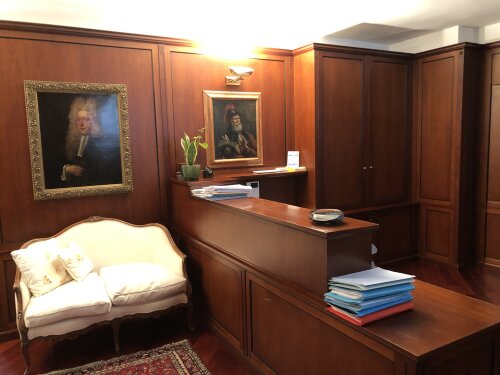
Studio Legale Alessandrello Avv. Luigi - Consulenza Legale maintains a multidisciplinary presence in Milan and Cologno Monzese, delivering coordinated civil, real estate and employment law services through a single professional team. The firm emphasizes practical, solution oriented guidance and...
1. About Hiring & Firing Law in Cologno Monzese, Italy
Hiring and firing in Italy are governed by national statutes and collective agreements that apply across the country, including Cologno Monzese. The local enforcement and handling of disputes occur through national agencies and courts. Key concepts to understand include giusta causa, giustificato motivo, notice periods, and severance entitlements.
In practice, an employee may be protected from unlawful dismissal by the Statuto dei Lavoratori and related protections. Employers must follow formal procedures when terminating an employee, and workers can challenge dismissals if they believe grounds are invalid or discriminatory. For residents of Cologno Monzese, local familiarity with Lombardy and Milan-area courts matters when pursuing claims or negotiations.
Common remedies in Italy include reinstatement in some unlawful cases or monetary indemnity for unfair dismissals. The exact outcome depends on the grounds for dismissal, the worker’s status, and the applicable collective agreements. Understanding the interplay of national law, local practice, and any applicable CCNL (Collective National Collective Agreements) is essential to assess options.
2. Why You May Need a Lawyer
Cologno Monzese residents facing employment disputes often benefit from legal counsel to navigate complex procedures and protect rights. Below are concrete scenarios where hiring a lawyer is advisable.
You received a termination notice stating grounds you suspect are unfounded or incomplete. A lawyer can assess whether giusta causa or giustificato motivo exists and review procedural compliance.
You believe the employer used a pretext for a dismissal to avoid paying proper severance or to target protected status. A lawyer can help prove improper motives and pursue remedies.
You are pregnant, on parental leave, or belong to a protected category and suspect discrimination in dismissal. Legal counsel can evaluate discrimination claims and appropriate filings.
You were classified as a subcontractor or freelancer when your work history resembles an employee relationship. A lawyer can analyze contract terms and potential requalification as a standard employee.
You want to negotiate a settlement or severance package after a dismissal. A lawyer can negotiate favorable terms and ensure enforceability of an agreement.
In addition, a lawyer can guide you through filing complaints with the appropriate authorities, such as the Ispettorato Nazionale del Lavoro (INL), and help you decide whether to pursue mediation, appeal, or direct court action. Retaining counsel early often improves clarity about timelines, costs, and potential outcomes.
3. Local Laws Overview
Cologno Monzese follows national statutes governing hiring and firing, with enforcement and interpretation through Italian courts and national agencies. Here are 2-3 key laws and related concepts that shape practice in this region.
Statuto dei Lavoratori (Legge 20 maggio 1970, n. 300) - foundational protections for workers, including anti-discrimination provisions and basic rights in the workplace. It remains central to disputes about dismissal and workplace rights, with ongoing amendments aligned to evolving labor policy.
Decreto Legislativo 23 giugno 2015, n. 81 (Jobs Act) - major reform governing termination, redundancy, and employment contracts for new hires. It introduced new rules on remedies for unfair dismissal and the use of monetary indemnities in many cases, while preserving reinstatement as a remedy in specific situations.
Legge 223/1991 - governs aspects of collective dismissals, social safety nets, and protections for workers in mass layoff scenarios. It interacts with Jobs Act rules when employers undertake large-scale workforce reductions.
Effective dates and adjustments exist as employment law evolves. For example, the Jobs Act began to shape dismissal remedies from 2015 onward, influencing outcomes in many Lombardy-area disputes. When evaluating a case, a lawyer will assess which regime applies based on contract type, time of hire, and the grounds for dismissal.
Il licenziamento in Italia deve essere basato su una giusta causa o su un giustificato motivo oggettivo o soggettivo, come previsto dal diritto del lavoro. Questi principi guidano le decisioni giuridiche e i possibili rimedi.
For more guidance on rights and procedures, consult official sources on employment matters.
4. Frequently Asked Questions
What is the difference between giusta causa and giustificato motivo?
Giusta causa is an immediate, serious fault that makes continuation of work impossible. Giustificato motivo refers to reasons tied to the employee's conduct or the company's needs, not requiring immediate termination.
How do I challenge an unlawful dismissal in Cologno Monzese?
Begin by consulting a lawyer to evaluate grounds and procedures. You may file a wage claim or dismissal challenge with the local court and/or INL for inspection and possible mediation.
What documents should I collect before speaking with a lawyer?
Gather your employment contract, pay slips, termination letter, any disciplinary notices, and correspondence with the employer. Also include relevant CCNL provisions and performance records.
How long does a typical dismissal dispute take in Italy?
Resolution timelines vary by case complexity and court backlog. A straightforward dispute may take several months; more complex cases can last a year or more.
Do I need to prove discrimination to challenge a dismissal?
Discrimination claims require evidence, such as status or protected characteristic. A lawyer can help assemble relevant documents and identify the proper legal route.
Can I continue working while contesting the dismissal?
In many cases, you may request interim protections or reinstatement while the dispute proceeds, but this depends on the court and evidence of illegality.
What is the difference between reinstatement and compensation?
Reinstatement returns you to your job; compensation provides monetary damages for lost wages and other harms. The availability of reinstatement depends on the circumstances of the dismissal.
How much severance (indennità di licenziamento) might I receive?
Amounts depend on contract type, duration, and the legal framework applicable to your case. A lawyer can estimate based on your tenure and the reason for dismissal.
Can I appeal a dismissal decision to a court?
Yes, you can appeal a dismissal decision in the civil court system. A lawyer can guide you on filing deadlines, evidence, and strategy.
What are typical costs when hiring a lawyer for a firing case?
Costs vary by law firm and case complexity. Some lawyers offer fixed-fee consultations, while others bill hourly; discuss fees in advance.
Should I negotiate a settlement with my employer?
Settlement can secure favorable terms and avoid lengthy litigation. A lawyer can help draft a settlement that protects your rights and minimizes risk.
Do I need to prove that my dismissal was unfair to succeed?
Unfair dismissal claims require showing the grounds or procedure were improper or discriminatory. A lawyer can help evaluate the strength of evidence.
5. Additional Resources
Useful official resources to support Hiring & Firing matters in Italy include:
Ispettorato Nazionale del Lavoro (INL) - Enforcement of labor rights, inspections, and dispute resolution guidance. INL official site
Ministero del Lavoro e delle Politiche Sociali - Policy guidance, employment contracts information, and worker protections. Ministero del Lavoro
ANPAL - National agency for active labor policies, including information about job rights and worker protections. ANPAL official site
European Commission - Employment and Social Affairs - EU-level guidance on workers' rights and anti-discrimination protections. EU Employment Policy
6. Next Steps
Clarify your objective with a lawyer: reinstatement, compensation, or a settlement agreement. Set a rough timeline based on your work situation (2-4 weeks for initial assessment).
Collect all relevant documents: contract, disciplinary notices, termination letter, pay slips, and any correspondence. Organize them by date for easy review.
Consult a lawyer who specializes in Hiring & Firing and who has experience in Lombardy or Milan-area cases. Schedule a concrete, paid initial meeting to discuss strategy and costs.
Request a detailed plan and fee structure: hourly rates, fixed fees for specific tasks, and expected total costs. Obtain a written engagement letter before proceeding.
Decide on the forum and course of action: negotiate a settlement, file a complaint with INL, or pursue court action. Your lawyer will help determine the best path.
Prepare for negotiations or hearings: review your evidence, outline key arguments, and rehearse possible questions and responses with your lawyer.
Monitor deadlines and stay in regular contact with your lawyer. Timely filings are critical to protect your rights and ensure remedies are preserved.
Lawzana helps you find the best lawyers and law firms in Cologno Monzese through a curated and pre-screened list of qualified legal professionals. Our platform offers rankings and detailed profiles of attorneys and law firms, allowing you to compare based on practice areas, including Hiring & Firing, experience, and client feedback.
Each profile includes a description of the firm's areas of practice, client reviews, team members and partners, year of establishment, spoken languages, office locations, contact information, social media presence, and any published articles or resources. Most firms on our platform speak English and are experienced in both local and international legal matters.
Get a quote from top-rated law firms in Cologno Monzese, Italy — quickly, securely, and without unnecessary hassle.
Disclaimer:
The information provided on this page is for general informational purposes only and does not constitute legal advice. While we strive to ensure the accuracy and relevance of the content, legal information may change over time, and interpretations of the law can vary. You should always consult with a qualified legal professional for advice specific to your situation.
We disclaim all liability for actions taken or not taken based on the content of this page. If you believe any information is incorrect or outdated, please contact us, and we will review and update it where appropriate.