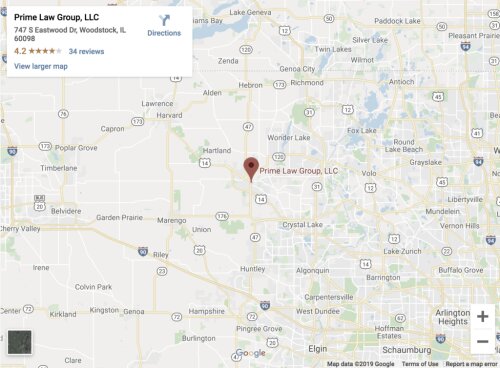
About Job Discrimination Law in Woodstock, United States
Job discrimination law in Woodstock, Illinois, protects workers from being treated unfairly because of characteristics such as race, sex, religion, national origin, age, disability, pregnancy, sexual orientation, gender identity, or other protected statuses. Federal law sets baseline protections that apply nationwide, while Illinois state law adds protections and enforcement mechanisms specific to residents of Woodstock. In practice, workers can pursue claims through federal agencies like the U.S. Equal Employment Opportunity Commission and the Illinois Department of Human Rights, or through private legal action with help from a local attorney.
In Woodstock, residents typically start by evaluating whether a protected characteristic was involved in a hiring, firing, promotion, pay, or harassment issue. If the issue meets legal thresholds, you may file formal complaints with the federal or state agencies or pursue a civil action in court with a lawyer who specializes in employment discrimination. Courts and agencies may require detailed documentation, timelines, and evidence to support your claim.
Key agencies and laws commonly used by Woodstock workers include the U.S. Equal Employment Opportunity Commission (EEOC) and the Illinois Department of Human Rights (IDHR). These bodies investigate complaints, enforce statutes, and offer guidance on what constitutes illegal discrimination. For local Woodstock concerns, a qualified attorney can help you understand how state and federal rules apply to your situation.
Source focus: Federal and state frameworks shape most workplace discrimination claims across Woodstock, Illinois. Enforcement is handled by EEOC for federal rights and IDHR for Illinois rights.
Sources: U.S. Equal Employment Opportunity Commission (EEOC) - eeoc.gov; Illinois Department of Human Rights - illinois.gov/idhr
Why You May Need a Lawyer
You were passed over for a promotion at a Woodstock company due to your race or sex and the employer has not provided a fair, non-discriminatory rationale. An attorney can evaluate whether the decision was discriminatory and guide you through reporting options and remedies.
You were terminated after requesting a reasonable accommodation for disability or pregnancy. A lawyer can determine if the withdrawal of accommodation is illegal retaliation or unlawful discrimination under IHRA or the ADA.
You experienced ongoing harassment in a Woodstock workplace based on protected status, and internal HR steps did not stop the behavior. Counsel can help you pursue formal complaints with EEOC or IDHR and consider litigation if needed.
You are paid less than a coworker for similar work due to gender or age. An attorney can help assess pay discrimination claims and strategies for equal pay remedies under state and federal law.
You faced retaliation after reporting discrimination or filing a prior complaint. A lawyer can document retaliation, coordinate agency filings, and advise on possible damages.
Local Laws Overview
Federal law: Title VII of the Civil Rights Act prohibits employment discrimination based on race, color, religion, sex, or national origin and bars retaliation. It applies to Woodstock employers with 15 or more employees and is enforced by the U.S. Equal Employment Opportunity Commission.
Federal law: Americans with Disabilities Act (ADA) prohibits disability discrimination and requires reasonable accommodations for qualified individuals. The ADA was enacted in 1990 and amended by the ADA Amendments Act of 2008, with enforcement through the EEOC. This coverage generally applies to Woodstock workplaces with 15 or more employees.
Illinois law: Illinois Human Rights Act (IHRA) protects employees in Illinois from discrimination in employment based on protected characteristics such as race, sex, pregnancy, disability, sexual orientation, gender identity, and more. It is enforced by the Illinois Department of Human Rights (IDHR) and has been amended over time to expand protections. Woodstock residents can pursue IHRA rights through IDHR or, if appropriate, in court.
Recent guidance indicates that workers in Illinois should consider both federal and state avenues when pursuing claims. For example, pregnancy-related accommodations and protections are supported by both IHRA and federal laws, and IDHR provides state-level intake and investigation processes. See official agency pages for the most current definitions and procedures.
Key sources for guidance and formal processes:
U.S. Equal Employment Opportunity Commission (EEOC) - federal enforcement and charge processing.
Illinois Department of Human Rights (IDHR) - state enforcement, intake, and investigations in Illinois.
Frequently Asked Questions
What is job discrimination in simple terms?
Job discrimination is when an employer treats someone unfavorably because of protected characteristics such as race, sex, religion, or disability. It can occur in hiring, firing, promotions, pay, or working conditions. Violations are addressed under federal or state law with potential remedies.
How do I know if my situation qualifies under Title VII or IHRA?
Qualifying situations involve protected status plus an adverse employment action. A qualified Woodstock attorney can assess whether your facts meet federal Title VII or Illinois IHRA standards and advise on next steps.
When do I need to file a charge with EEOC or IDHR?
Typically you must file within 180 days with the EEOC, or 300 days if a state agency handles the claim. Illinois employees can use IDHR for state-level processing, and a combined filing may extend deadlines. Acting promptly improves potential remedies.
Where do I file a discrimination charge in Illinois?
You can file with the federal EEOC or with the Illinois Department of Human Rights. The IDE's processes often coordinate with the EEOC for broader protections. An attorney can help choose the right agency and method.
Why should I hire a Woodstock discrimination lawyer instead of proceeding alone?
A lawyer can gather evidence, communicate with employers, explain deadlines, and pursue appropriate remedies. They know how to leverage both state and federal protections and can represent you in negotiations or court.
Can I recover compensation for discrimination in Illinois?
Yes, possible remedies include back pay, reinstatement, compensatory damages, and attorney fees. The amount depends on the case facts, agency findings, and court decisions. An attorney can quantify your potential recovery.
Do I need to prove intent to discriminate to win a claim?
No, discrimination can be proven through patterns, impact, or disparate treatment. The standard varies by statute and evidence, and a lawyer helps you build a persuasive case.
Is pregnancy protected under Woodstock employment law?
Yes. Protections cover pregnancy-based discrimination and required accommodations. Both IHRA and federal laws provide remedies, and IDHR can investigate complaints in Illinois.
How much does it cost to hire a discrimination attorney in Woodstock?
Many employment lawyers work on a contingency basis or charge hourly. Some offer free initial consultations. Clarify fees and expected costs during the intake meeting.
What is the typical timeline after I file a charge?
Agency investigations can take several months to a year or more, depending on complexity. If mediation occurs, it may be shorter; if court action is required, it extends further.
What is the difference between harassment and discrimination?
Discrimination involves adverse treatment based on protected status. Harassment is a pattern of conduct that creates a hostile work environment. Both can be illegal under Title VII or IHRA, depending on severity and frequency.
Do I need proof of documentation to file a claim?
Documentation strengthens a claim. Collect emails, performance reviews, pay stubs, witnesses, and any internal complaints. A lawyer can help organize and submit evidence effectively.
Additional Resources
- U.S. Equal Employment Opportunity Commission (EEOC) - Federal agency that enforces employment discrimination laws and accepts charges; see the Chicago district office for Illinois filings. EEOC official site.
- Illinois Department of Human Rights (IDHR) - State agency that enforces the Illinois Human Rights Act and handles IHRA complaints in Illinois. IDHR official site.
- City of Woodstock, Illinois - Local government information and resources for residents and businesses in Woodstock; check for any city-specific guidance or services related to human rights and employment matters. City of Woodstock official site.
Next Steps
- Step 1 - Gather your documentation Collect employment records, salaries, performance reviews, emails, and any internal complaints related to the discrimination. Do this before contacting counsel to speed up the evaluation.
- Step 2 - Identify a Woodstock employment attorney Look for lawyers who specialize in discrimination claims and have experience in Illinois and federal law. Use local bar referrals and the state or city attorney directories to find candidates near Woodstock.
- Step 3 - Schedule a consultation Arrange a meeting to discuss the facts, potential claims, and remedies. Bring documentation, questions about fees, and a plan for next steps.
- Step 4 - Decide on agency versus private action Your lawyer will help determine whether to file with EEOC, IDHR, or pursue private litigation. They will explain deadlines and expected timelines for each path.
- Step 5 - File the appropriate charge or complaint If pursuing agency action, your attorney will file with EEOC or IDHR within the applicable deadlines. They will coordinate any required intake interviews and documentation requests.
- Step 6 - Engage in mediation or discovery as needed Agencies may offer mediation or early settlement opportunities. If the matter proceeds to court, your attorney will manage discovery, motions, and potential trial preparation.
- Step 7 - Consider settlement and remedies Assess proposals for back pay, reinstatement, or other remedies with your attorney. Decide whether to accept a settlement or proceed to litigation based on your goals and the evidence.
Lawzana helps you find the best lawyers and law firms in Woodstock through a curated and pre-screened list of qualified legal professionals. Our platform offers rankings and detailed profiles of attorneys and law firms, allowing you to compare based on practice areas, including Job Discrimination, experience, and client feedback.
Each profile includes a description of the firm's areas of practice, client reviews, team members and partners, year of establishment, spoken languages, office locations, contact information, social media presence, and any published articles or resources. Most firms on our platform speak English and are experienced in both local and international legal matters.
Get a quote from top-rated law firms in Woodstock, United States — quickly, securely, and without unnecessary hassle.
Disclaimer:
The information provided on this page is for general informational purposes only and does not constitute legal advice. While we strive to ensure the accuracy and relevance of the content, legal information may change over time, and interpretations of the law can vary. You should always consult with a qualified legal professional for advice specific to your situation.
We disclaim all liability for actions taken or not taken based on the content of this page. If you believe any information is incorrect or outdated, please contact us, and we will review and update it where appropriate.