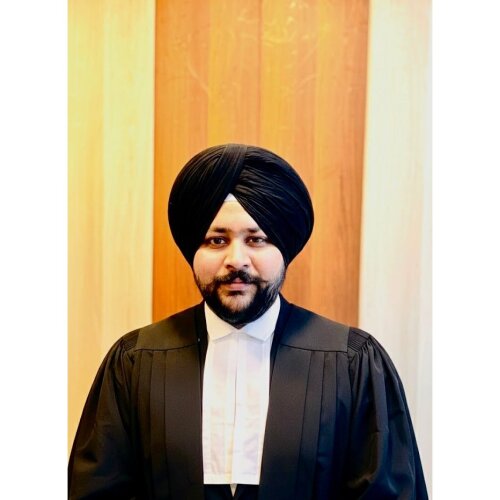
1. About Juvenile Law in Samba, India
Samba is a district in the union territory of Jammu and Kashmir, India, where Juvenile Law is applied based on central legislation and state rules. The key framework is the Juvenile Justice (Care and Protection of Children) Act, 2015, along with amendments that shape how children are treated in the justice system. Local authorities such as the District Child Protection Unit (DCPU), District Legal Services Authority (DLSA), and the Juvenile Justice Board (JJB) and Child Welfare Committees (CWCs) implement these laws in Samba.
The law prioritizes the best interests of the child, whether the child is in conflict with the law (CICL) or in need of care and protection (CNCP). It requires child-friendly procedures, separate custody arrangements, and specialized social investigations to determine appropriate interventions. For Samba residents, the local welfare department coordinates with police, courts, and child protection bodies to ensure compliance with statutory duties.
Key national guidelines and mechanisms influence Samba's practice, including central acts, state implementation rules, and district level orders. For authoritative overviews, see the official pages of the Ministry of Women and Child Development and the National Commission for Protection of Child Rights. Ministry of Women and Child Development and NCPCR provide nationwide guidance that informs Samba's local procedures.
Recent national developments also impact Samba, including amendments to strengthen safeguards and clarify processes for juveniles in serious offenses. For context on central reforms, see official government resources and state level notifications from Jammu and Kashmir authorities. India Code - Central Acts and Jammu and Kashmir Government Portal.
2. Why You May Need a Lawyer
- Guardians seeking juvenile status for a child accused of a serious crime. In Samba, if a child is charged with a serious offense, a lawyer helps ensure the case is considered under CICL protections and that the JJB assesses age and circumstances properly.
- A child is in police custody or remand and requires legal representation. A counsel can advocate for appropriate custody, ensure age-appropriate treatment, and file bail or release petitions as permitted under the JJ Act.
- Protection and welfare under CNCP or POCSO for a victim or witness. A lawyer can secure child-friendly interviews, safe accommodation, and proper legal procedures for reporting and protection.
- Court orders affecting custody, care, or rehabilitation of a CNCP or CICL child. Legal counsel can review and challenge orders, ensure proper social investigation reports, and monitor compliance with welfare measures.
- Adoption, foster care, or guardianship issues involving a minor. A lawyer with juvenile law experience can navigate eligibility criteria, court approvals, and ongoing safeguards for the child.
- Appeals or revision petitions against JJB or CWC decisions in Samba. A skilled attorney helps prepare grounds for appeal, gather evidence, and represent the child’s interests in higher courts or committees.
3. Local Laws Overview
The Juvenile Justice (Care and Protection of Children) Act, 2015 governs procedures for CICL and CNCP, defines a juvenile as below 18 years, and requires JJBs and CWCs to handle cases with child-friendly procedures. The Act provides for rehabilitation, education, and welfare measures, while allowing for specialized intervention and social investigation reports. The 2021 amendment introduced clarified procedures for serious offenses committed by juveniles and reinforced safeguards for children in the justice process. India Code - Juvenile Justice Act, 2015, Ministry of Women and Child Development.
Protection of Children from Sexual Offences Act, 2012 (POCSO) applies to child victims and alleged offenders in Samba as in other parts of India. It mandates child-friendly reporting, speedy trials, and strong protections against sexual offenses involving minors. Local implementation is supported by district child protection units and police training aligned with central guidelines. WCD POCSO resources, NCPCR POCSO guidance.
Central Juvenile Justice Rules, 2016 accompany the JJ Act and set out procedures for JJBs, CWCs, protective custody, care plans, and rehabilitation services. The rules provide standard forms, timelines, and reporting requirements used across Samba district. For the text and official rules, see India Code - Central Rules under JJ Act.
State and district level instruments include the establishment and functioning of the District Child Protection Unit (DCPU) and District Legal Services Authority (DLSA) in Samba. They coordinate with police and courts to implement welfare measures, ensure ethical practice, and provide legal aid to children. For governance structure, consult Jammu and Kashmir government portals and district level notifications. Jammu and Kashmir Government Portal.
4. Frequently Asked Questions
What is the Juvenile Justice Act 2015 and why does it matter in Samba?
The Act provides special procedures and protections for children under 18 who are in conflict with the law or in need of care and protection. It requires child-friendly investigations, rehabilitation, and oversight by JJBs and CWCs. In Samba, officers and lawyers must follow these procedures to safeguard the child’s rights.
How do I file a complaint if a child needs protection in Samba?
Contact the District Child Protection Unit (DCPU) in Samba and file a CNCP complaint under the Juvenile Justice Act. The DCPU coordinates with CWCs to arrange welfare services and shelter if needed. You can also seek legal aid through the District Legal Services Authority (DLSA).
What is the role of a JJB and a CWC in Samba cases?
The JJB handles CICL cases, determines the child’s age, and recommends remedial measures or rehabilitation. The CWC oversees CNCP cases, ensuring welfare, protection, and adherence to child rights. Both bodies work to protect the child’s welfare and secure appropriate outcomes.
Do I need a lawyer to handle a POCSO or CICL case in Samba?
Yes. A lawyer specializing in juvenile law helps protect the child’s rights, ensures proper procedures, and represents the family in hearings. Legal counsel can prepare for JJB or CWC proceedings and coordinate with welfare authorities.
What kinds of outcomes can a juvenile lawyer pursue in Samba?
Outcomes include welfare and rehabilitation plans, diversion programs, guardianship arrangements, or, in rare cases, certification for age-based penalties under the law. The focus is on the child’s rehabilitation and protection rather than punitive measures.
How long do JJB hearings typically take in Samba?
Duration varies with case complexity, but the JJ Act emphasizes expeditious handling and periodic review. A straightforward CICL case may conclude within a few months, while complex CNCP matters may extend longer with welfare planning requirements.
What is the process to determine a child’s age in Samba?
The age determination may involve documentary evidence and a medical age assessment as per the JJ Act and central rules. The JJB or CWC may order an age assessment if the child’s age is disputed.
Can a juvenile be tried as an adult in Samba?
Under the JJ Act, most juveniles are treated under child-friendly procedures. The 2021 amendments clarify certain procedures in exceptional cases for older juveniles in serious offenses, but trials in adult courts occur only under specified conditions and with proper safeguards.
What is the difference between a CICL and CNCP?
CICL stands for child in conflict with the law, meaning a child accused of committing an offense. CNCP stands for child in need of care and protection, referring to children who require shelter, care, or protection due to neglect or abuse.
How can I find a juvenile law lawyer in Samba?
Seek an attorney with experience in CICL, CNCP, and POCSO matters through the district bar or legal aid societies. Ask for a breakdown of fees, availability for hearings, and prior experience with JJBs and CWCs in Samba.
Is POCSO applicable to both boys and girls in Samba?
Yes. POCSO covers all minors under 18 regardless of gender and provides victim protection, reporting requirements, and timely investigations. Legal counsel can help ensure compliant reporting and support for the child.
What should I prepare for a JJB hearing in Samba?
Prepare age verification documents, school records, medical reports, and any prior welfare or protective orders. Your lawyer will help assemble social investigation reports and advocate for the child’s best interests.
5. Additional Resources
- Ministry of Women and Child Development (WCD) - National guidance on Juvenile Justice, child protection, and schemes for welfare and rehabilitation. wcd.nic.in
- National Commission for Protection of Child Rights (NCPCR) - National watchdog for child rights, inspections, and guidance for jurisdictions including Jammu and Kashmir. ncpcr.gov.in
- Jammu and Kashmir Government Portal - Official state level information on welfare services, districts, and relevant schemes in Samba. jk.gov.in
6. Next Steps
- Identify the issue and gather documents - Pin down whether the matter involves CICL or CNCP and collect age proof, school records, medical reports, police reports, and welfare documents. Timeline: 1-2 weeks.
- Consult the district legal aid and child protection bodies - Contact DLSA and DCPU in Samba to understand local procedures and possible free legal aid options. Timeline: 1-7 days.
- Choose a juvenile law attorney with local experience - Interview at least 2-3 lawyers who handle JJB and CWC matters in Samba and compare strategies, fees, and availability. Timeline: 1-3 weeks.
- Prepare a plan for the welfare and legal strategy - Work with your lawyer to draft a care plan, social investigation requests, and a hearing timeline. Timeline: 2-4 weeks.
- File necessary applications and notices - File age verification requests, bail applications, or CNCP/POCSO reports as advised by counsel. Timeline: 1-3 weeks depending on court schedules.
- Attend hearings and monitor progress - Attend all JJB or CWC hearings, provide updates to the lawyer, and ensure welfare measures are implemented. Timeline: ongoing until case resolution.
- Review outcomes and plan for rehabilitation or appeal - After decisions, evaluate rehabilitation options or appellate avenues with your attorney. Timeline: weeks to months after final orders.
Lawzana helps you find the best lawyers and law firms in Samba through a curated and pre-screened list of qualified legal professionals. Our platform offers rankings and detailed profiles of attorneys and law firms, allowing you to compare based on practice areas, including Juvenile Law, experience, and client feedback.
Each profile includes a description of the firm's areas of practice, client reviews, team members and partners, year of establishment, spoken languages, office locations, contact information, social media presence, and any published articles or resources. Most firms on our platform speak English and are experienced in both local and international legal matters.
Get a quote from top-rated law firms in Samba, India — quickly, securely, and without unnecessary hassle.
Disclaimer:
The information provided on this page is for general informational purposes only and does not constitute legal advice. While we strive to ensure the accuracy and relevance of the content, legal information may change over time, and interpretations of the law can vary. You should always consult with a qualified legal professional for advice specific to your situation.
We disclaim all liability for actions taken or not taken based on the content of this page. If you believe any information is incorrect or outdated, please contact us, and we will review and update it where appropriate.