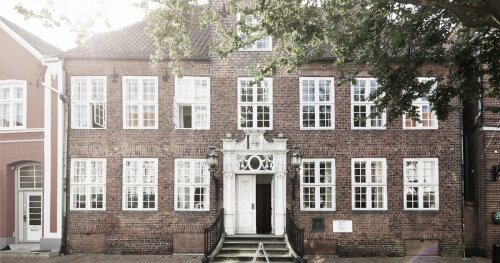
1. About Landlord & Tenant Law in Tønder, Denmark
Landlord and tenant relations in T\u00f8nder are governed primarily by national Danish legislation. The core framework is the Rent Act, which sets rules for leases, deposits, rent adjustments, notice periods and eviction procedures for private housing. Local municipalities like T\u00f8nder Municipality enforce housing standards and provide avenues for dispute resolution within the municipal system.
While local practices can vary by municipality, most tenancy disputes in T\u00f8nder are resolved through formal processes under the Rent Act and related regulations. Tenants and landlords should document all communications, keep copies of contracts, and use official channels for notices and complaints. Understanding the standard contractual terms helps reduce disputes and speeds up resolution when problems arise.
Key takeaway: In T\u00f8nder, as elsewhere in Denmark, tenancy issues are primarily regulated at the national level, with local authorities providing enforcement and practical support for housing matters. Official guidance and legal texts can be found on national portals and statutory repositories.
Source: Danish legal texts establish the basis for private tenancy agreements, deposits, and eviction procedures under Lejeloven. See official act texts for the most current provisions.
Source: The municipal housing and building authorities in Denmark handle enforcement of housing standards and coordinate access to dispute resolution bodies like Huslejen\u00e6vn. See local government guidance for T\u00f8nder.
2. Why You May Need a Lawyer
Here are concrete, real-world scenarios in T\u00f8nder where hiring a lawyer can protect your rights and help you navigate the process efficiently.
- Disputed security deposits and deductions: A tenant in a rented apartment in T\u00f8nder believes the landlord has withheld too much of the security deposit for post-occupancy cleaning and repairs. A legal advisor can review the lease, document the condition on move-in, and pursue proper deductions under the Rent Act.
- Termination notices and eviction challenges: If a landlord serves a notice to quit that seems overly broad or procedurally flawed, a lawyer can assess validity, ensure proper notice periods, and represent you in Huslejen\u00e6vn or court if needed.
- Unlawful rent increases or miscalculated charges: When a landlord raises rent or adds charges without proper notice or within legal limits, a solicitor can interpret the notice, compare it to statutory caps, and negotiate a fair solution.
- Maintenance and habitability disputes: If essential repairs are not completed or if the property is not maintained to minimum standards, a legal counsel can advise on required remedies, deadlines, and enforcement options.
- Subletting or assignment complications: A tenant seeking to sublet or transfer a lease often needs consent from the landlord and clear documentation; a lawyer can ensure compliance and prevent later disputes.
- Litigation or formal dispute resolution: For complex disputes that proceed to Huslejen\u00e6vn or the courts, an attorney provides guidance on evidence, procedure, and settlement options tailored to a T\u00f8nder context.
3. Local Laws Overview
The following laws and regulatory mechanisms govern Landlord & Tenant relations in T\u00f8nder. They reflect both national statutes and the way disputes are handled within Danish municipalities.
- Lov om leje af boliger (Lejeloven) - The Danish Rent Act that regulates private rental housing, including lease formation, deposits, notice periods, rent increases, and eviction procedures. It provides the framework for how landlords and tenants interact in ordinary residential leases across Denmark, including T\u00f8nder.
- Huslejen\u00e6vnets regler og praksis - Rent Tribunal rules that handle disputes about rent levels, deposits, repairs and other tenancy issues. These are typically resolved locally within municipal or regional structures, with the possibility of escalating to court if necessary.
- Bolig- og byggemyndighedernes tilsyn i T\u00f8nder Kommune - Local municipal housing and building authorities enforce housing standards, safety and habitability requirements, and provide guidance on maintenance obligations and remedy timelines for tenants and landlords in T\u00f8nder.
Recent trends and considerations: Denmark has seen ongoing updates to tenancy procedures, including how deposits are handled, notice formalities, and procedures for digital communication of notices. Always verify the current text of Lejeloven and related regulations via official sources to ensure you understand the latest requirements for your case in T\u00f8nder.
Source: Retsinformation provides the official text and amendments of Lejeloven and related tenancy regulations. Access the latest versions at retsinformation.dk.
Source: Borger.dk offers citizen-oriented guidance on tenancy rights, obligations, and dispute resolution processes in Denmark.
4. Frequently Asked Questions
What is the Danish tenancy contract called and what does it cover?
The standard agreement is governed by Lejeloven and the lease contract itself. It typically covers rent, deposit, tenancy term, notice periods, and responsibilities for repairs and maintenance.
How do I start a tenancy dispute in T\u00f8nder if negotiations fail?
Begin by notifying the other party in writing and compiling evidence. If unresolved, you may approach Huslejen\u00e6vn for a binding decision, or pursue court action with legal representation.
When can a landlord terminate a private lease in Denmark?
A landlord may terminate under specific statutory grounds and notice periods outlined in Lejeloven. Procedures must be followed precisely, including proper service of notices and documentation.
Where can I verify the current tenancy laws applicable to my lease?
Verify Lejeloven provisions on official portals such as retsinformation.dk and Borger.dk to confirm the exact text and any recent amendments.
Do I need a lawyer for a small tenancy dispute in T\u00f8nder?
For straightforward matters, a lawyer may not be required, but complex issues, eviction challenges, or disputes involving large deposits often benefit from legal counsel for efficiency and protection of rights.
How much can a landlord charge for a security deposit in Denmark?
Security deposits commonly range up to three months' rent, depending on the lease terms and applicable rules. Always review the contract and Lejeloven provisions for limits and return timelines.
Is subletting allowed and what approvals are typically required?
Subletting usually requires the landlord's consent, which cannot be unreasonably withheld. A lawyer can help negotiate conditions and ensure proper documentation is in place.
What is the typical timeline to resolve a tenancy dispute in T\u00f8nder?
Resolution timelines vary by case complexity and forum. Huslejen\u00e6vn decisions can take weeks to months, while court proceedings may extend into several months depending on scheduling and appeals.
Can I appeal a Huslejen\u00e6vn decision, and how long does it take?
Yes, you can appeal to a higher authority or court system. Appeals add several weeks to months to the process, so legal counsel can help with strategy and evidence gathering.
What evidence should I collect for a repair-related tenancy dispute?
Document dates of problems, photos, correspondence with the landlord, inspection reports, and any repair requests. This evidence supports your claims for timely repairs and remedies.
What is the difference between a fixed-term lease and a periodic tenancy in Denmark?
A fixed-term lease has a set end date and specific termination rules. A periodic tenancy continues month to month until proper notice is given by either party.
Are there special rules for student or social housing tenancies in T\u00f8nder?
Social and student housing may have additional rules and subsidies. Check eligibility criteria and contract terms with the local housing authority and your lease documents.
5. Additional Resources
Access official, government-backed resources to understand tenancy law and dispute resolution in Denmark and specifically for tenants in T\u00f8nder.
- Retsinformation - Official repository of Danish laws and regulations, including Lejeloven. https://www.retsinformation.dk
- Borger.dk - Government portal with guidance for tenants on leases, deposits, and dispute resolution. https://www.borger.dk
- Statistics Denmark (DST) - Official statistics on housing, rents, and the Danish housing market that can inform your expectations and planning. https://www.statBank.dk
6. Next Steps
- Define your objective - Identify whether you seek negotiation, a formal decision from Huslejen\u00e6vn, or court relief. Set clear goals and a desired timeline.
- Gather documentation - Collect the lease, amendments, move-in inventory, photos, communications, and receipts for repairs or deposits.
- Assess the complexity - Determine if the issue is a straightforward deposit dispute or requires formal adjudication. Complex issues typically benefit from counsel.
- Find a local Landlord & Tenant lawyer - Look for a Danish attorney with experience in tenancy matters in the T\u00f8nder area. Verify credentials and ask for a case plan and fees.
- Schedule an initial consultation - Prepare questions about procedure, expected timelines, and costs. Bring all documentation for review.
- Create a strategic plan - Decide whether to pursue negotiation, Huslejen\u00e6vn mediation, or court action, and outline step-by-step actions with your attorney.
- Proceed with formal steps if needed - If mediation fails, authorize your attorney to file the appropriate petition, respond to notices, and prepare evidence for hearings.
Lawzana helps you find the best lawyers and law firms in Tønder through a curated and pre-screened list of qualified legal professionals. Our platform offers rankings and detailed profiles of attorneys and law firms, allowing you to compare based on practice areas, including Landlord & Tenant, experience, and client feedback.
Each profile includes a description of the firm's areas of practice, client reviews, team members and partners, year of establishment, spoken languages, office locations, contact information, social media presence, and any published articles or resources. Most firms on our platform speak English and are experienced in both local and international legal matters.
Get a quote from top-rated law firms in Tønder, Denmark — quickly, securely, and without unnecessary hassle.
Disclaimer:
The information provided on this page is for general informational purposes only and does not constitute legal advice. While we strive to ensure the accuracy and relevance of the content, legal information may change over time, and interpretations of the law can vary. You should always consult with a qualified legal professional for advice specific to your situation.
We disclaim all liability for actions taken or not taken based on the content of this page. If you believe any information is incorrect or outdated, please contact us, and we will review and update it where appropriate.