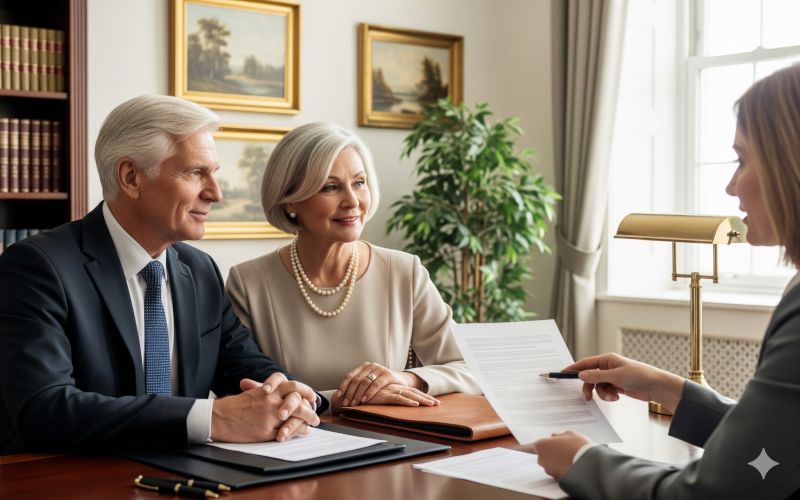
Best Lawyers in Nagasaki
Share your needs with us, get contacted by law firms.
Free. Takes 2 min.
List of the best lawyers in Nagasaki, Japan
We haven't listed any lawyers in Nagasaki, Japan yet...
But you can share your requirements with us, and we will help you find the right lawyer for your needs in Nagasaki.
Find a Lawyer in Nagasaki




About hiring a lawyer in Nagasaki, Japan
Hiring a lawyer in Nagasaki follows a clear but important sequence of steps. First, identify the legal area you need help with - for example, family law, traffic accidents, criminal defense, labor disputes, landlord-tenant matters, or business contracts. Next, look for attorneys or law firms with experience in that area and who are familiar with local courts and administrative procedures in Nagasaki Prefecture. Most lawyers offer an initial consultation - sometimes free, sometimes for a fixed fee - where you explain the facts and learn about options, likely outcomes, timing, and estimated costs. If you decide to hire a lawyer you will normally sign a written engagement agreement (retainer agreement) that explains fees, billing approach (hourly, fixed, contingency - where allowed), and the scope of work. Communication, document collection, and agreed next steps follow the engagement. For foreign residents, ask early about language support or interpreters - some lawyers handle cases in English or work with interpreters.
Why You May Need a Lawyer
People in Nagasaki seek legal help for many reasons. The most common situations include:
- Family law - divorce, child custody, visitation, spousal and child support, inheritance disputes, and wills.
- Traffic accidents - dealing with injury claims, insurance negotiation, and civil suits for damages.
- Criminal matters - arrests, investigations, criminal defense, and sentencing hearings.
- Labor and employment - wrongful dismissal, unpaid wages, workplace harassment, and administrative claims with labor offices.
- Consumer disputes - defective products, deceptive sales practices, refund and compensation claims.
- Real estate and housing - lease disputes, eviction, boundary disputes, property transactions, and registration matters.
- Business and commercial law - contract drafting and disputes, debt collection, company formation, and regulatory compliance.
- Administrative and regulatory matters - appeals of administrative decisions, permits, licensing, and local ordinance compliance.
- Immigration-related legal matters - visa status concerns, naturalization procedures, and legal issues affecting foreign residents - note that immigration law is national, but local administrative support is often needed.
Local Laws Overview
Japan’s national legal framework applies throughout Nagasaki, but local courts, municipal rules, and prefectural ordinances affect how disputes are handled on the ground. Key points to understand:
- Court structure - Civil claims may be handled in Summary Court, District Court, or Family Court depending on the type and value of the claim. The Summary Court generally hears civil money claims up to about 1,400,000 yen. Family Court handles family and juvenile matters. District Courts cover larger civil and criminal cases.
- Civil Code and Contract Law - Many private disputes depend on the Civil Code (contracts, torts, property, and inheritance). Written contracts, records, and timely actions help protect legal rights.
- Criminal Code and Procedure - Criminal matters follow national criminal law and procedures. If arrested or questioned, you have the right to consult a lawyer. Local police and prosecutors in Nagasaki handle investigation and charging decisions.
- Labor regulations - Employment relationships are governed by national labor law and regulations enforced by local Labor Standards Inspection Offices and regional labor bureaus. Claims for unfair dismissal or unpaid wages often begin with administrative counseling or mediation before litigation.
- Consumer protection - National consumer-protection laws apply, with local consumer centers and the Consumer Affairs Agency providing guidance and mediation services for consumer complaints.
- Administrative and local ordinances - Nagasaki Prefecture and its municipalities set local rules that affect zoning, business permits, environment, fishing and maritime activities, and tourism. Compliance with municipal procedures and prefectural permits is often required for local businesses and certain activities.
- Statutes of limitation - Time limits apply for filing civil claims, criminal prosecution, and administrative appeals. Missing a limitation period can bar recovery, so consult a lawyer promptly.
Frequently Asked Questions
How do I find a reputable lawyer in Nagasaki?
Start by identifying lawyers who handle your type of case. Use official resources such as the Japan Legal Support Center (Houterasu) which can help direct you to lawyers and provide information about initial consultations. You can also contact municipal or prefectural legal aid desks, or ask for referrals from community organizations. When you contact a lawyer, ask about experience, fees, likely timeline, and whether they are familiar with local courts and administrative offices in Nagasaki.
How much will a lawyer in Nagasaki cost?
Costs vary by case type, lawyer experience, and fee structure. Common approaches include hourly fees, fixed fees for specific services, and contingency fees for certain civil claims (where allowed). Expect an initial consultation fee or a free short consultation in some cases. The retainer agreement should state all fees and billing arrangements. Always request a written fee estimate before proceeding.
Is legal aid available if I cannot afford a lawyer?
Yes - Japan has legal aid systems. The Japan Legal Support Center (Houterasu) administers civil legal aid and can advise on eligibility for reduced-fee or subsidized legal assistance. There are also local legal aid programs and pro bono services through local bar associations for qualifying cases.
Do lawyers in Nagasaki speak English or other languages?
Some lawyers in Nagasaki have experience with foreign clients and may speak English or other languages, but many practice primarily in Japanese. If you need language support, ask prospective lawyers about their language capabilities or whether they can arrange professional interpreters. Municipal offices and Houterasu can also provide guidance on language support options.
What should I bring to an initial consultation?
Bring any documents relevant to your case - contracts, letters, police reports, notices, medical records, photographs, timelines of events, and identification. A clear summary of the facts and key dates will help the lawyer evaluate your situation efficiently. If documents are in a foreign language, provide translations or mention that you will need translation help.
How long will my case take?
Timeframes differ widely. Simple matters like a mediation or settlement negotiation may take weeks to months. Litigation can take many months to years depending on complexity, appeal possibilities, and court schedules. Criminal cases follow a different timetable and may be faster in urgent situations. Your lawyer should give you an estimated timeline based on the specifics.
Can I change lawyers if I am unhappy with my current one?
Yes. Clients have the right to change representation. Check your retainer agreement for any notice or termination provisions and discuss the transition to avoid gaps in your case. In litigation, the court should be notified of attorney changes. You may need to settle unpaid fees with the previous lawyer.
What if I need immediate help - who do I contact?
For emergencies involving immediate danger or a crime in progress, call police - emergency number 110 - or fire and ambulance - 119. For urgent legal assistance like arrest or detention, request immediate access to a lawyer and contact Houterasu or a local criminal defense lawyer. If you are unsure who to call, local police stations or municipal offices can advise on next steps and emergency legal support.
How can I verify a lawyer’s credentials and disciplinary record?
Lawyers in Japan must be licensed and are members of local bar associations. You can ask a lawyer for proof of registration and check with local legal aid offices or the bar association in Nagasaki for general information about membership and public records. The Ministry of Justice and Houterasu provide oversight and information about the legal system and legal aid programs.
What alternatives exist besides going to court?
There are several alternatives to litigation - negotiation, mediation, arbitration, and administrative remedies. Family matters often use mediation through Family Court. Labor disputes can go through labor advisory services and mediation bodies. Many consumer and commercial disputes can be resolved through mediation or arbitration, which are typically faster and less formal than court.
Additional Resources
Official and government-affiliated resources that can help you in Nagasaki include:
- Nagasaki Prefectural Government - general administrative information and prefectural services: - Japan Legal Support Center (Houterasu) - information on legal aid, lawyer referrals, and consultation services: - Consumer Affairs Agency - consumer protection guidance and complaint procedures: - Ministry of Health, Labour and Welfare - labor-related claims and regional labor bureaus: {"@context":"https://schema.org","@type":"FAQPage","mainEntity":[{"@type":"Question","name":"How do I find a reputable lawyer in Nagasaki?","acceptedAnswer":{"@type":"Answer","text":"Start by identifying lawyers who handle your type of case. Use official resources such as the Japan Legal Support Center (Houterasu) which can help direct you to lawyers and provide information about initial consultations. You can also contact municipal or prefectural legal aid desks, or ask for referrals from community organizations. When you contact a lawyer, ask about experience, fees, likely timeline, and whether they are familiar with local courts and administrative offices in Nagasaki."}},{"@type":"Question","name":"How much will a lawyer in Nagasaki cost?","acceptedAnswer":{"@type":"Answer","text":"Costs vary by case type, lawyer experience, and fee structure. Common approaches include hourly fees, fixed fees for specific services, and contingency fees for certain civil claims (where allowed). Expect an initial consultation fee or a free short consultation in some cases. The retainer agreement should state all fees and billing arrangements. Always request a written fee estimate before proceeding."}},{"@type":"Question","name":"Is legal aid available if I cannot afford a lawyer?","acceptedAnswer":{"@type":"Answer","text":"Yes - Japan has legal aid systems. The Japan Legal Support Center (Houterasu) administers civil legal aid and can advise on eligibility for reduced-fee or subsidized legal assistance. There are also local legal aid programs and pro bono services through local bar associations for qualifying cases."}},{"@type":"Question","name":"Do lawyers in Nagasaki speak English or other languages?","acceptedAnswer":{"@type":"Answer","text":"Some lawyers in Nagasaki have experience with foreign clients and may speak English or other languages, but many practice primarily in Japanese. If you need language support, ask prospective lawyers about their language capabilities or whether they can arrange professional interpreters. Municipal offices and Houterasu can also provide guidance on language support options."}},{"@type":"Question","name":"What should I bring to an initial consultation?","acceptedAnswer":{"@type":"Answer","text":"Bring any documents relevant to your case - contracts, letters, police reports, notices, medical records, photographs, timelines of events, and identification. A clear summary of the facts and key dates will help the lawyer evaluate your situation efficiently. If documents are in a foreign language, provide translations or mention that you will need translation help."}},{"@type":"Question","name":"How long will my case take?","acceptedAnswer":{"@type":"Answer","text":"Timeframes differ widely. Simple matters like a mediation or settlement negotiation may take weeks to months. Litigation can take many months to years depending on complexity, appeal possibilities, and court schedules. Criminal cases follow a different timetable and may be faster in urgent situations. Your lawyer should give you an estimated timeline based on the specifics."}},{"@type":"Question","name":"Can I change lawyers if I am unhappy with my current one?","acceptedAnswer":{"@type":"Answer","text":"Yes. Clients have the right to change representation. Check your retainer agreement for any notice or termination provisions and discuss the transition to avoid gaps in your case. In litigation, the court should be notified of attorney changes. You may need to settle unpaid fees with the previous lawyer."}},{"@type":"Question","name":"What if I need immediate help - who do I contact?","acceptedAnswer":{"@type":"Answer","text":"For emergencies involving immediate danger or a crime in progress, call police - emergency number 110 - or fire and ambulance - 119. For urgent legal assistance like arrest or detention, request immediate access to a lawyer and contact Houterasu or a local criminal defense lawyer. If you are unsure who to call, local police stations or municipal offices can advise on next steps and emergency legal support."}},{"@type":"Question","name":"How can I verify a lawyer’s credentials and disciplinary record?","acceptedAnswer":{"@type":"Answer","text":"Lawyers in Japan must be licensed and are members of local bar associations. You can ask a lawyer for proof of registration and check with local legal aid offices or the bar association in Nagasaki for general information about membership and public records. The Ministry of Justice and Houterasu provide oversight and information about the legal system and legal aid programs."}},{"@type":"Question","name":"What alternatives exist besides going to court?","acceptedAnswer":{"@type":"Answer","text":"There are several alternatives to litigation - negotiation, mediation, arbitration, and administrative remedies. Family matters often use mediation through Family Court. Labor disputes can go through labor advisory services and mediation bodies. Many consumer and commercial disputes can be resolved through mediation or arbitration, which are typically faster and less formal than court."}}]}
Lawzana helps you find the best lawyers and law firms in Nagasaki through a curated and pre-screened list of qualified legal professionals. Our platform offers rankings and detailed profiles of attorneys and law firms, allowing you to compare based on practice areas, experience, and client feedback. Each profile includes a description of the firm's areas of practice, client reviews, team members and partners, year of establishment, spoken languages, office locations, contact information, social media presence, and any published articles or resources. Most firms on our platform speak English and are experienced in both local and international legal matters. Get a quote from top-rated law firms in Nagasaki, Japan — quickly, securely, and without unnecessary hassle. Disclaimer: The information provided on this page is for general informational purposes only and does not constitute legal advice. While we strive to ensure the accuracy and relevance of the content, legal information may change over time, and interpretations of the law can vary. You should always consult with a qualified legal professional for advice specific to your situation. We disclaim all liability for actions taken or not taken based on the content of this page. If you believe any information is incorrect or outdated, please contact us, and we will review and update it where appropriate.
Refine your search by selecting a practice area.