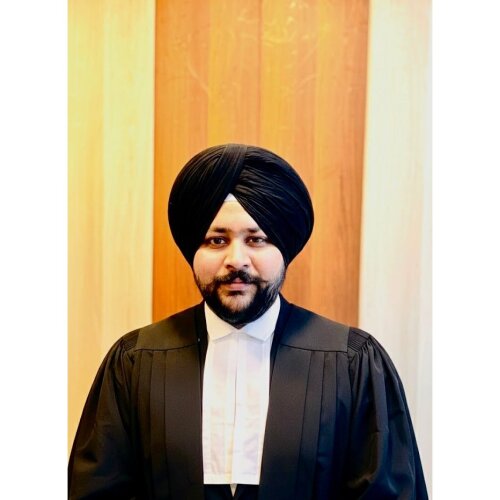
1. About Military Law in Samba, India
Military law in Samba, India primarily operates under national statutes that apply across India, with special provisions that affect security operations in Jammu and Kashmir (including Samba). The Army Act, 1950 governs offences and trials for military personnel, including court-martial processes for discipline and conduct. Residents of Samba may encounter military law in contexts such as detentions, searches, or investigations linked to security operations in border districts.
The Armed Forces (Special Powers) Act, 1958 (AFSPA) provides enhanced powers to armed forces in notified disturbed areas. In Jammu and Kashmir, AFSPA has been a central element of security policy since the insurgency years, and its application is subject to central government notifications and local circumstances. This means that in Samba, as in other parts of JK, some security actions and detentions may be governed by AFSPA in areas explicitly notified as disturbed.
AFSPA remains applicable in specified areas of the Union Territory of Jammu and Kashmir as notified by the Government of India.
Ministry of Home Affairs, Government of India - AFSPA information
The Jammu and Kashmir Reorganisation Act, 2019 reorganised the state into two union territories and redefined certain governance and legal structures that impact how military and civilian laws interact in Samba.
Legislation.gov.in - Jammu and Kashmir Reorganisation Act, 2019
In Samba, you may also encounter civil detention powers that interact with military actions, such as the Public Safety Act in Jammu and Kashmir. These regulations operate within the broader security framework and can affect how long detentions last and what rights are preserved in practice. Legal consultation is important to understand your options in both military and civilian courts.
For authoritative references, you can consult official government portals such as the India Code and the Legislation Portal, which host texts and official summaries of these laws. See the links in the Additional Resources section for direct access to government sources.
2. Why You May Need a Lawyer
In Samba, legal issues arising from military law can involve complex procedures and strict timelines. A qualified lawyer helps you interpret the applicable statutes, protect your rights, and navigate potential appeals or habeas corpus petitions. Engaging local counsel familiar with Jammu and Kashmir practices can improve communication with authorities and court outcomes.
Scenario 1: You or a family member is detained or questioned by security forces under AFSPA in Samba. An attorney can assess the legality of the detention, advise on remedies, and coordinate with authorities to secure necessary legal aid or access to a lawyer during questioning.
Scenario 2: A service member from Samba faces a court-martial under the Army Act. You need a lawyer experienced in military procedure to prepare a defence, gather service records, and argue issues such as due process and the admissibility of evidence.
Scenario 3: A civilian is charged under AFSPA notices in Jammu and Kashmir. Legal counsel can explain the charges, rights to legal representation, potential pre-trial detentions, and strategies for challenging validity or duration of detention.
Scenario 4: A family is affected by a detention or search operation in Samba. A lawyer can file appropriate relief petitions, request judicial review, and ensure compliance with due process protections under both military and civilian law.
Scenario 5: You need advice on post-detention consequences for a service member, including discharge, pension, or re-enlistment. A lawyer can review records, advise on appeals, and coordinate with defence services authorities.
Scenario 6: You are seeking guidance on civil remedies after a military encounter, such as wrongful search or property interference. A lawyer can help with civil claims, procedural options, and coordination with civil courts when necessary.
3. Local Laws Overview
The local regulatory framework in Samba involves a mix of military and civilian statutes. The following laws are central to understanding how military law operates in Samba and the broader Jammu and Kashmir context.
Army Act, 1950 - This act governs offences by Indian Army personnel and sets out court-martial procedures for disciplinary matters. It applies nationwide, including Samba. It provides the basis for trials when service members are accused of offences, and it defines the roles of commanding officers, defence counsel, and trial procedures. Official texts and summaries can be found on the official legislation portals.
Armed Forces (Special Powers) Act, 1958 (AFSPA) - AFSPA grants special powers to armed forces in disturbed areas, including arrest, search, and use of force in certain circumstances. In Jammu and Kashmir, AFSPA remains in force in notified areas, with government notifications guiding its application. This act is a critical part of security operations in Samba and similar districts. Official information is available through government portals.
Jammu and Kashmir Public Safety Act, 1978 (PSA) - PSA authorizes detention without trial for up to two years in certain circumstances to prevent subversion or acts of terrorism. The act is administered within Jammu and Kashmir and interacts with both civil and security operations. Detentions under PSA may occur alongside military actions, requiring careful legal oversight to protect fundamental rights.
Recent changes and trends in the region reflect the 2019 Jammu and Kashmir Reorganisation Act, which restructured governance and the legal framework, affecting how military and civil authorities coordinate in Samba. For general orientation and texts, consult official sources such as the India Code and Legislation portals. See the Resources section for direct links.
4. Frequently Asked Questions
What is the Army Act, 1950 and how does it apply in Samba?
The Army Act governs offences by Indian Army personnel and outlines court-martial procedures. In Samba, this act applies to service members and to certain disciplinary matters that involve military authorities. Civilians should seek advice if they are affected by military actions or detentions that reference Army Act provisions.
How do I hire a Military Law lawyer in Samba?
Begin with referrals from local courts, DLSA offices, or the Bar Council of Jammu and Kashmir. Schedule a consultation to assess experience in court-martial and AFSPA related matters. Confirm fee structures and ask for a written plan with timelines.
What is AFSPA and where does it apply in Jammu and Kashmir?
AFSPA grants special powers to security forces in notified disturbed areas. In Jammu and Kashmir, notifications determine where AFSPA applies. If you are in a warned area, consult a lawyer to understand your rights and possible remedies.
Do civilians have rights if detained under AFSPA in Samba?
Yes. Civilians have the right to legal representation, to be informed of charges, and to challenge detention when possible. A lawyer can help file habeas corpus petitions or seek judicial relief if due process is not observed. Rights may depend on specific circumstances and notifications.
How long do court-martial proceedings typically take in India?
Timeframes vary widely based on the case complexity, evidence, and availability of witnesses. Some matters may conclude within months, while others run longer. A military-law attorney can provide a more precise estimate after reviewing the ملفات and charges.
Can I challenge a PSA detention in Samba?
Yes, you can challenge detentions through the judiciary, including petitions in the High Court of Jammu and Kashmir. A lawyer can advise on the appropriate remedy, such as habeas corpus or expedited hearings, depending on the case facts.
What is the difference between a court-martial and a civilian trial?
A court-martial hears offences under military law and is presided by commissioned officers or military judges. A civilian trial is conducted under ordinary criminal procedure and the Code of Criminal Procedure. The choice of forum depends on the status of the accused and the charges involved.
How much does a military law lawyer typically charge in Samba?
Fees vary based on case complexity, expected trial length, and reputation. An initial consultation may be charged separately, with ongoing fees for preparation and representation. A written fee agreement helps avoid disputes later.
How should I prepare for my first consultation with a military-law lawyer?
Bring all case documents, including notices, detentions orders, service records if applicable, and any communications with authorities. Prepare a concise timeline of events and list witnesses or evidence you plan to rely on. Bring any questions you want to ask about procedural options and timelines.
Is there a time limit to file an appeal after a court-martial decision?
Yes. Appeals typically follow specific timelines under military law and related rules. Your lawyer will identify the exact deadlines and help you file documents promptly to avoid missing appeal windows.
Should I consult a lawyer before giving statements to security forces?
Yes. A lawyer can advise on what to say, what not to say, and ensure your statements do not prejudice your rights. Do not sign or provide information without legal counsel present when possible.
Do I need to prove eligibility for free legal aid in Samba?
Free legal aid programs may be available through NALSA and local DLSA offices for eligible individuals. A lawyer can help determine eligibility and assist with the application process for legal aid where appropriate.
5. Additional Resources
- National Legal Services Authority (NALSA) - Provides free legal aid to eligible persons and coordinates Lok Adalats and legal literacy programs. Official site: nalsa.gov.in.
- Ministry of Home Affairs (MHA) - Oversees national security matters including AFSPA and related administrative notices. Official site: mha.gov.in.
- Legislation Portal - Central repository for Indian Acts and amendments, including Army Act and AFSPA. Official site: legislation.gov.in.
6. Next Steps
- Identify your exact legal issue and gather all related documents, notices, or orders from authorities. This helps a lawyer assess jurisdiction and likelihood of success.
- Contact a Samba-based or Jammu and Kashmir focused lawyer with military-law experience. Ask about court-mmartial, AFSPA, and PSA matters to ensure expertise.
- Request a paid or pro bono initial consultation to outline your case, potential defenses, and expected timelines.
- Prepare a written list of goals and potential settlements or appeals you are willing to pursue. Share this with your counsel for alignment.
- Discuss fee structure, billing milestones, and expected timeframes for the first stage of your case. Get a written engagement letter.
- Review any available legal aid options through NALSA or DLSA Samba if you qualify. Your lawyer can assist with the application process.
- Proceed with strategic filings, including urgent petitions if needed, and maintain regular communication with your counsel about developments and timelines.
Lawzana helps you find the best lawyers and law firms in Samba through a curated and pre-screened list of qualified legal professionals. Our platform offers rankings and detailed profiles of attorneys and law firms, allowing you to compare based on practice areas, including Military Law, experience, and client feedback.
Each profile includes a description of the firm's areas of practice, client reviews, team members and partners, year of establishment, spoken languages, office locations, contact information, social media presence, and any published articles or resources. Most firms on our platform speak English and are experienced in both local and international legal matters.
Get a quote from top-rated law firms in Samba, India — quickly, securely, and without unnecessary hassle.
Disclaimer:
The information provided on this page is for general informational purposes only and does not constitute legal advice. While we strive to ensure the accuracy and relevance of the content, legal information may change over time, and interpretations of the law can vary. You should always consult with a qualified legal professional for advice specific to your situation.
We disclaim all liability for actions taken or not taken based on the content of this page. If you believe any information is incorrect or outdated, please contact us, and we will review and update it where appropriate.