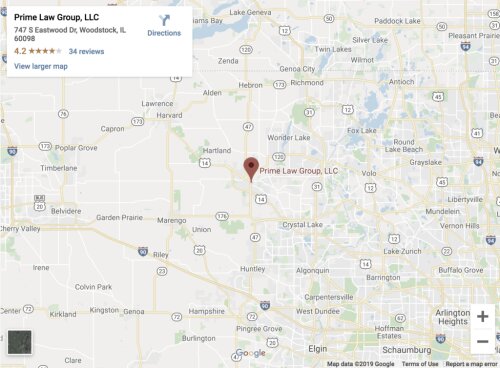
1. About Property Damage Law in Woodstock, United States
Property damage law in Woodstock, New York, deals with legal claims arising from harm to someone else’s property. Most cases fall under tort law, including negligence or intentional acts that injure buildings, vehicles, and other physical property. In Woodstock, residents typically pursue claims against individuals, contractors, landlords or insurers for repair, replacement, and related losses.
Key scenarios include motor vehicle damage from collisions, damage to a home or business caused by a neighbor, or property damage resulting from a contractor’s work. Insurance coverage often plays a major role in compensating losses, but disputes over liability or the amount payable are common. An attorney can help navigate liability, coverage, and settlement options.
Understanding who is liable, what evidence is needed, and the applicable time limits is essential in Woodstock cases. State law governs most property damage claims, with local court rules shaping how complaints are filed and how evidence is developed. This guide focuses on Woodstock, New York, where state law applies and local factors may influence liability and insurance considerations.
2. Why You May Need a Lawyer
When a property damage event happens in Woodstock, you may need a lawyer if liability is contested. A neighbor’s tree falling on your car after a storm, for example, can raise questions about duty of care and potential shared liability. An attorney helps gather evidence, identify liable parties, and evaluate settlement options.
You may also need legal help if an insurer denies or undervalues your property damage claim. An attorney can assess whether the denial is reasonable and pursue appropriate appeals or lawsuits. This is common when repair costs exceed initial estimates or when coverage terms are unclear.
Construction or repair work nearby can cause property damage to your home or business. A Woodstock lawyer can determine whether the contractor or property owner acted negligently or breached warranties, and pursue compensation from responsible parties or their insurers. Timely legal action is important to preserve rights and evidence.
Long-running property maintenance issues, such as recurring water intrusion or mold, may require escalation beyond insurance claims. A lawyer can help obtain expert evaluations, coordinate multiple parties (landlords, management companies, or governmental entities), and pursue a comprehensive recovery. This is especially relevant in older Woodstock properties with complex ownership structures.
In cases where a government road project or municipal utility work damages your property, a lawyer can explain notice requirements and potential statutory claims. Municipal and state procedures can require strict timelines and specific forms, and a lawyer helps avoid procedural pitfalls. Early legal guidance improves your chances of a fair resolution.
3. Local Laws Overview
New York law largely governs property damage claims in Woodstock, with specific rules for liability, evidence, and procedure. The following laws and regulations are commonly involved in Woodstock property damage matters.
Statute of limitations for property damage (CPLR 214 and related provisions). In New York, most property damage claims must be filed within three years from the date the damage occurred. This rule helps determine when a case must be brought in court and when insurance claims should be pursued. See authoritative summaries of New York statutes of limitations for property damage.
Notice of claim for municipal or government liability (General Municipal Law § 50-e and 50-i). If your property damage involves a city, town, or county project or action, you may need to file a notice of claim within 90 days. Failure to comply can bar the claim against a government entity. This is important in Woodstock when local roadwork or public works contribute to property damage.
Source: Cornell Law School Legal Information Institute - Statute of Limitations for property damage in New York is generally three years. https://www.law.cornell.edu/wex/statute_of_limitations
Source: New York General Municipal Law § 50-e and 50-i governing notices of claim against municipalities. Official text at state law resources. https://public.leginfo.state.ny.us/
Insurance law and claims handling (New York Insurance Law with consumer guidance). Homeowners and commercial property claims are regulated in New York by the Insurance Law, with duties on adjusters to investigate, timely respond, and fairly settle valid claims. Consumers can seek guidance from state regulators when disputes arise. See official regulatory resources for insurance claim practices.
Source: New York Department of Financial Services (DFS) provides consumer information about insurance claims and protections. https://www.dfs.ny.gov/
How these laws apply in Woodstock. Woodstock residents use New York state statutes, but local court rules and municipal actions can impact procedural steps, deadlines, and notice requirements. Always confirm the exact dates, deadlines, and forms with a local attorney or the court handling your case. The rules above provide a framework for evaluating your rights and responsibilities.
4. Frequently Asked Questions
What is the basic definition of a property damage claim?
A property damage claim asks for compensation for harm to physical property caused by someone else. It covers repairs, replacement, and losses due to use and access. Legal actions may involve insurance companies and, if necessary, civil court actions.
How do I start a property damage claim after a Woodstock incident?
Document the damage with photographs and notes immediately. Notify the at-fault party or their insurer and begin the claims process. Consider consulting a property damage attorney early to protect evidence and rights.
When should I hire a lawyer for property damage issues?
Hire a lawyer if liability is contested, if an insurer denies or undervalues a claim, or if you need help pursuing subrogation or complex evidence. A lawyer can help preserve key evidence and manage deadlines.
Do I need to file an insurance claim before going to court?
Not always, but filing a claim with your insurer or the at-fault party is often a practical first step. Legal counsel can help you decide whether to negotiate, mediate, or sue after evaluating the claim.
How long does a typical property damage case take in Woodstock?
Simple claims may settle in weeks to months, while complex cases involving liability disputes or major repairs can take many months or longer. Court timelines vary by docket and issue complexity.
How much can I recover for property damage?
Recovery depends on repair costs, replacement value, loss of use, and in some cases depreciation. Insurance coverage and liability determinations strongly influence the final amount.
What is the difference between property damage and bodily injury claims?
Property damage concerns harm to physical property, while bodily injury involves harm to a person. They have different liability standards, evidence needs, and insurance coverage rules.
Can I sue a neighbor for property damage to my home?
Yes, if you can show that the neighbor owed a duty of care and breached it, causing your damages. Proving negligence and causation is key, and your attorney can help gather evidence.
Do I need to file a notice of claim against the city for road damage?
Possibly. If municipal action or road conditions caused the damage, you may need to file a notice of claim within 90 days. This requirement is strict and can affect your ability to recover against the government.
Is there anything special I should do after an incident on a Woodstock property?
Preserve evidence, obtain a police report if a collision or crime is involved, and keep repair estimates. Early legal guidance helps ensure deadlines are met and appropriate claims are pursued.
Should I pursue mediation or arbitration before going to court?
Alternative dispute resolution can save time and money. An attorney can help decide if mediation or arbitration is appropriate based on liability complexity and available evidence.
Can I file a claim if a government project damaged my property years ago?
That depends on statutory notice rules and whether the claim arises under municipal liability. In general, governmental claims require timely notice and may have different limitations than private claims.
5. Additional Resources
- New York Department of Financial Services (DFS) - Regulates insurance practices and provides consumer guidance on property insurance claims. https://www.dfs.ny.gov/
- National Association of Insurance Commissioners (NAIC) - Nationwide consumer information on property insurance, claims, and dispute resolution. https://www.naic.org/
- Cornell Law School - Legal Information Institute (LII) - Educational overviews of statutes such as the New York statute of limitations for property damage. https://www.law.cornell.edu/
6. Next Steps
- Identify all parties likely responsible for the damage, including neighbors, contractors, and municipal entities.
- Gather evidence quickly: photos, repair estimates, receipts, police or incident reports, and any surveillance footage.
- Check deadlines: confirm the statute of limitations for property damage in New York and any notice requirements for government entities. Consider consulting a Woodstock property damage attorney as soon as possible.
- Obtain insurance information from your insurer and the at-fault party to understand coverage and potential subrogation opportunities.
- Consult a local attorney who practices property damage or tort law to assess liability and available remedies.
- Request a formal written estimate and, if necessary, an appraisal or expert evaluation to support the claim.
- Decide on a strategy with your attorney-settlement negotiation, mediation, or pursuing a civil action in the appropriate Woodstock court.
Lawzana helps you find the best lawyers and law firms in Woodstock through a curated and pre-screened list of qualified legal professionals. Our platform offers rankings and detailed profiles of attorneys and law firms, allowing you to compare based on practice areas, including Property Damage, experience, and client feedback.
Each profile includes a description of the firm's areas of practice, client reviews, team members and partners, year of establishment, spoken languages, office locations, contact information, social media presence, and any published articles or resources. Most firms on our platform speak English and are experienced in both local and international legal matters.
Get a quote from top-rated law firms in Woodstock, United States — quickly, securely, and without unnecessary hassle.
Disclaimer:
The information provided on this page is for general informational purposes only and does not constitute legal advice. While we strive to ensure the accuracy and relevance of the content, legal information may change over time, and interpretations of the law can vary. You should always consult with a qualified legal professional for advice specific to your situation.
We disclaim all liability for actions taken or not taken based on the content of this page. If you believe any information is incorrect or outdated, please contact us, and we will review and update it where appropriate.