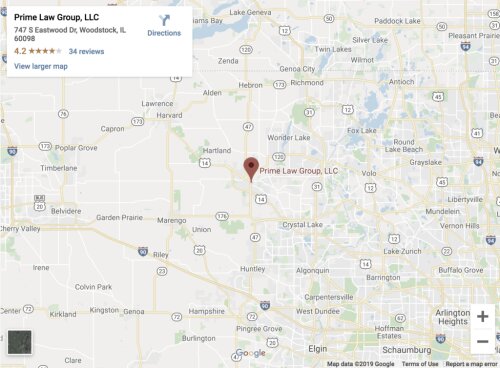
1. About Wrongful Termination Law in Woodstock, United States
Wrongful termination describes situations where an employee is fired in violation of federal or state law, or in breach of an employment contract or public policy. In Woodstock, like much of the United States, most wrongful termination claims arise under anti-discrimination laws, retaliation protections, or public policy exceptions to at-will employment. These cases typically involve issues such as harassment, disability accommodations, retaliation for protected activities, or illegal terminations connected to family or medical leave.
Filing a claim promptly is essential because time limits apply. Federal agencies such as the Equal Employment Opportunity Commission oversee discrimination complaints, and state counterparts may handle other issues like wage, hour, or public policy claims. For practical guidance, consult an attorney who can help you assess whether your termination meets the criteria for a wrongful termination claim under the laws that cover your situation.
Key federal protections frequently involved in wrongful termination claims include Title VII of the Civil Rights Act, the Americans with Disabilities Act, and the Family and Medical Leave Act. These laws prohibit discrimination and retaliation based on protected characteristics or protected activities, and they set enforcement pathways through agencies such as the EEOC and the Department of Justice.
“Time limits for filing a discrimination charge with the EEOC are typically 180 days, or 300 days if a state or local agency enforces similar laws.”
Source: EEOC guidance on charge filing deadlines and enforcement processes. See EEOC official site.
2. Why You May Need a Lawyer
Woodstock employees face several concrete scenarios where legal counsel is essential to protect rights and pursue remedies.
- Fired after raising safety concerns at a Woodstock manufacturing facility. A lawyer can assess whether the termination was retaliatory or discriminatory based on protected activity or a protected class.
- Discharged due to a disability and the employer failed to provide reasonable accommodations. An attorney can help determine if ADA protections were violated and pursue appropriate claims.
- Terminated while on approved leave or shortly after returning from family or medical leave. A lawyer can analyze possible FMLA retaliation and related remedies.
- Pregnancy or parental status used as a pretext for termination. An attorney can evaluate whether status-based discrimination occurred under federal law or state public policy.
- Terminated after reporting wage-and-hour concerns or other unlawful practices. A legal professional can explore retaliation claims under applicable statutes and seek corrective action.
- Union activity or related protections involved in a Woodstock workplace. If union rights were exercised, an attorney can assess potential unfair labor practices under federal labor law.
In each scenario, early legal assessment improves your odds of preserving records, meeting deadlines, and building a strong claim. A qualified employment attorney can also advise on possible severance negotiations and avoid signing agreements that undermine your rights.
Tip: If you are considering a complaint, document dates, people involved, and any witnesses immediately. Documentation strengthens your case regardless of whether you pursue litigation or administrative remedies.
3. Local Laws Overview
Federal law provides the backbone for wrongful termination claims in Woodstock, while state-level interpretations vary. The following laws are central to many wrongful termination claims and are frequently cited in Woodstock cases.
- Title VII of the Civil Rights Act of 1964 (federal) - Prohibits employment discrimination based on race, color, religion, sex, and national origin. Enforcement begins once a complaint is filed with the EEOC or a state counterpart; employers with 15 or more employees are typically covered. Effective 1965 for enforcement purposes.
- Americans with Disabilities Act (ADA) of 1990 - Prohibits discrimination against qualified individuals with disabilities and requires reasonable accommodations, unless it causes undue hardship. Enforcement is through federal agencies and courts; amended in 2008 to strengthen provisions.
- Family and Medical Leave Act (FMLA) of 1993 - Provides eligible employees with up to 12 weeks of unpaid, job-protected leave for family and medical reasons within a 12-month period. Applies to employers with 50 or more employees and is enforced by the Department of Labor's Wage and Hour Division and courts.
In Woodstock, an at-will employment framework is commonly understood in practice, but workers can still pursue claims under these federal protections if termination violates the law. The existence of state public policy claims or contract-based rights can also influence outcomes depending on the jurisdiction within the United States.
“Time limits to file a discrimination charge with the EEOC are typically 180 days, or 300 days if a state or local agency enforces similar laws.”
Source: EEOC guidance on charge filing deadlines. See EEOC official site.
“The FMLA entitles eligible employees to up to 12 weeks of leave in a 12-month period for certain family or medical reasons.”
Source: U.S. Department of Labor - FMLA information. See DOL - FMLA.
4. Frequently Asked Questions
What counts as wrongful termination under federal law?
Wrongful termination under federal law typically involves discrimination, retaliation, or violations of protected activities like reporting safety concerns. If you were fired for reasons protected by Title VII, the ADA, or the FMLA, you may have a viable claim. A lawyer can determine which federal protections apply to your case.
How do I start a wrongful termination claim in Woodstock?
Begin by consulting an employment attorney who can assess your situation and file charges with the appropriate agency if needed. You may file with the EEOC or a state fair employment agency within the deadline, usually 180 days (or 300 days in some states). Your attorney can guide you through administrative steps and potential court actions.
When must I file a complaint with the EEOC for discrimination?
File within 180 days of the discrimination if there is no state agency involved, or within 300 days if a state or local agency handles similar claims. Delays can bar your right to pursue the claim, so act promptly. An attorney can help you meet deadlines and preserve evidence.
Where can I file a retaliation claim for wrongful termination?
You can file retaliation claims with the EEOC or your state fair employment agency. If the claim involves federal protections, the EEOC is typically the first stop. Your attorney will determine the proper agency based on your jurisdiction and the nature of the claim.
Why is at-will employment relevant to wrongful termination?
At-will employment means either party can terminate the relationship for any legal reason. However, this doctrine does not protect against unlawful termination based on protected characteristics or protected activities. Courts in Woodstock may recognize public policy exceptions in some cases.
Can I sue for wrongful termination if I was fired for complaining about safety?
Yes, if your firing was in retaliation for reporting unsafe conditions, you may have a retaliation claim under federal or state law. An attorney can help determine whether the reporting activity is protected and whether your termination was unlawfully connected to it. Remedies can include back pay and reinstatement in some cases.
Should I talk to a lawyer before signing a severance agreement?
Yes. A lawyer can review severance terms to ensure you are not waiving rights inadvertently. They can help negotiate better terms or protections for future claims. Do not sign away potential legal rights without clear legal advice.
Do I need to prove a contract existed to sue for wrongful termination?
Not always. In many cases, wrongful termination can arise from breaches of implied contracts, statutory rights, or public policy, even without a written contract. An attorney can examine your employment relationship and collect evidence supporting a contract-based claim if present.
How long do I have to file a wage-and-hour retaliation claim?
Time limits for wage-and-hour retaliation claims vary by statute and agency. Filing with the EEOC or state agency is often within 180 days, but other wage-and-hour claims may have separate deadlines. A legal professional can pinpoint the correct timeline for your specific claim.
Is medical leave protected if I was terminated after taking FMLA leave?
FMLA protection can extend to retaliation claims if the termination followed a qualifying leave. You may be entitled to reinstatement or back pay if the termination violated FMLA rules. A lawyer can determine applicable remedies and deadlines.
What is the difference between wrongful termination and a normal firing?
Wrongful termination involves unlawful reasons or protections, such as discrimination or retaliation. A normal firing may occur for performance or business reasons and may not involve legal violations. A lawyer can help distinguish unlawful termination from legitimate business decisions.
How much might a wrongful termination case cost in Woodstock?
Many employment lawyers work on a contingency basis, charging a percentage of any recovery if you win. If there is no recovery, you may owe only costs for necessary expenses. Your attorney can clearly explain fees during the initial consultation.
5. Additional Resources
- Equal Employment Opportunity Commission (EEOC) - Enforces federal anti-discrimination laws, investigates charges, and provides guidance on filing deadlines and processes. Website: eeoc.gov
- U.S. Department of Labor - Wage and Hour Division (WHD) - Enforces the Family and Medical Leave Act and wage-hour protections; offers information on rights and enforcement options. Website: dol.gov/whd
- U.S. Department of Justice - Civil Rights Division (CRT) - Enforces Title VII and other civil rights laws; can pursue litigation on behalf of employees. Website: justice.gov/crt/title-vii-civil-rights-act
6. Next Steps
- Gather relevant documents within 1 week: termination notice, last paycheck, performance reviews, emails, and notes about any protected activity or accommodations.
- Schedule a consultation with an employment attorney in Woodstock within 2-3 weeks to assess your case and identify deadlines.
- Clarify your options: administrative claims (EEOC or state agency) or direct litigation, based on your situation and deadlines.
- Preserve all evidence and avoid discussing the case publicly or on social media to protect your position in any proceedings.
- Obtain a written summary of potential costs, fees, and timelines from your attorney; confirm contingency arrangements if applicable.
- File initial administrative complaints if advised by your attorney, ensuring you meet filing deadlines and provide supporting evidence.
- Decide on a strategy with your attorney, including negotiation, mediation, or filing a lawsuit, and adjust expectations based on the facts and available remedies.
Lawzana helps you find the best lawyers and law firms in Woodstock through a curated and pre-screened list of qualified legal professionals. Our platform offers rankings and detailed profiles of attorneys and law firms, allowing you to compare based on practice areas, including Wrongful Termination, experience, and client feedback.
Each profile includes a description of the firm's areas of practice, client reviews, team members and partners, year of establishment, spoken languages, office locations, contact information, social media presence, and any published articles or resources. Most firms on our platform speak English and are experienced in both local and international legal matters.
Get a quote from top-rated law firms in Woodstock, United States — quickly, securely, and without unnecessary hassle.
Disclaimer:
The information provided on this page is for general informational purposes only and does not constitute legal advice. While we strive to ensure the accuracy and relevance of the content, legal information may change over time, and interpretations of the law can vary. You should always consult with a qualified legal professional for advice specific to your situation.
We disclaim all liability for actions taken or not taken based on the content of this page. If you believe any information is incorrect or outdated, please contact us, and we will review and update it where appropriate.