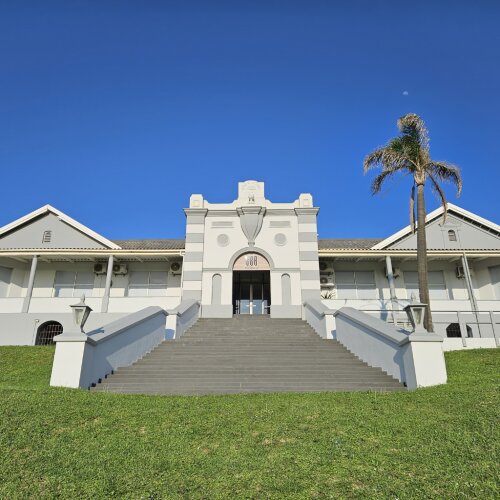
About International Criminal Law in Port Shepstone, South Africa
International Criminal Law (ICL) covers crimes that threaten international peace and security, such as genocide, crimes against humanity, and war crimes. In Port Shepstone, as in the rest of South Africa, the national courts oversee serious offenses, while the country collaborates with international bodies under established treaties. Local courts handle procedural rights, while cross-border cooperation is guided by SA statutes and international obligations. This means residents may encounter ICL matters through extradition requests, cross-border investigations, or SA prosecutions of international crimes.
Port Shepstone relies on national institutions to enforce international crimes rules. The local police (SAPS) and the National Prosecution Authority (NPA) coordinate on cross-border matters, with higher courts in KwaZulu-Natal handling more serious cases. If an international crime is alleged, investigators will typically rely on mutual legal assistance and extradition processes to gather evidence or transfer proceedings. Understanding these processes helps residents know when and how to engage legal counsel.
For individuals or organizations in Port Shepstone facing ICL issues, a qualified lawyer can explain how the Rome Statute framework applies locally and how SA cooperation with international partners affects cases. The interplay between local criminal procedure and international obligations means timely legal advice is important for preserving rights and ensuring proper process. In this region, experienced counsel can coordinate with SA authorities and, if needed, with international bodies such as the International Criminal Court.
Source: The International Criminal Court explains that the Rome Statute provides the framework for prosecuting genocide, crimes against humanity and war crimes.
Key local players include Port Shepstone SAPS, the KwaZulu-Natal provincial Judiciary, and SA's DoJ and Constitutional Development, which oversee treaties, cross-border matters, and implementing legislation. In practice, Port Shepstone residents with ICL concerns should seek early guidance from a specialist attorney to assess jurisdiction, available remedies, and timelines. This helps ensure rights are protected from the outset of any investigation or proceeding.
Why You May Need a Lawyer
Legal counsel can help when international criminal issues arise in Port Shepstone or KwaZulu-Natal. You may need an attorney to interpret how SA law interacts with international obligations and to protect due process rights. A lawyer can also coordinate with SA authorities and, where relevant, international bodies to manage evidence, investigations, and proceedings.
- You are accused of an international crime or connected offenses and require guidance through SA criminal procedure and any cross-border elements.
- You face an extradition request or mutual legal assistance inquiry and need to understand timelines, risks, and protective rights.
- You are a victim or witness in an international crime investigation and seek protection, legal representation, and information on remedies.
- You must navigate asset freezes, confiscations or cross-border seizure procedures linked to international investigations.
- Your business or organization faces allegations related to cross-border or multinational crimes and requires compliance advice and representation in SA courts or negotiations.
- You want clarity on how SA's involvement with the Rome Statute affects local prosecutions or possible cooperation with international tribunals.
Local Laws Overview
South Africa implements international criminal law primarily through the Rome Statute of the International Criminal Court, complemented by national laws that govern cross-border cooperation. The Rome Statute provides for prosecution of genocide, crimes against humanity and war crimes and is implemented in SA through enacted legislation and policy guidelines. South Africa ratified the Rome Statute in the early 2000s, and SA remains engaged with the ICC as part of its international obligations.
Two additional core tools used for cross-border cooperation are the Extradition Act and the Mutual Legal Assistance in Criminal Matters Act. Extradition governs sending individuals for trial between SA and other states, while the MLA Act enables SA to obtain or share evidence and information for foreign criminal matters. Both Acts are routinely used in complex international investigations and prosecutions.
In Port Shepstone and KwaZulu-Natal, serious international criminal matters typically proceed in higher SA courts located in Durban or Pietermaritzburg, while Port Shepstone handles local procedural needs through its Magistrates Court. The DoJ&CD and NPA coordinate with provincial structures to implement cross-border cooperation and to manage international requests efficiently. For procedural questions, local counsel can identify the correct jurisdiction and court for a given matter.
Source: South Africa's Department of Justice and Constitutional Development explains SA's framework for international criminal cooperation and implementing the Rome Statute.
Recent trends show SA increasing cross-border cooperation on international matters, with the NPA and DoJ&CD expanding dedicated units to handle international cooperation requests. This affects timelines, evidence handling, and the availability of remedies for suspects, victims and witnesses. Practicing lawyers in Port Shepstone can guide clients through these processes and help manage expectations about outcomes and timeframes.
Frequently Asked Questions
What is international criminal law and how does it apply in Port Shepstone?
International criminal law targets crimes that affect the international community, such as genocide, crimes against humanity, and war crimes. In Port Shepstone, SA courts handle related prosecutions with cooperation from international bodies under SA law. Local procedures must align with SA rules while respecting international obligations.
How do I know if I need a lawyer for an international crime case in KwaZulu-Natal?
Consult a lawyer if you face an extradition request, are charged with an international crime, or are a victim or witness needing protection. An attorney can assess jurisdiction, procedural rights, and the best path through SA courts or cooperation channels.
Do I need to attend court in Durban or Pietermaritzburg for an international crime charge?
Most serious international crime matters are handled in higher SA courts, which may be located in Durban or Pietermaritzburg. Your lawyer will determine the proper venue and arrange appearances or trials as required by SA law.
What is the difference between extradition and mutual legal assistance?
Extradition involves transferring a suspect to another state for trial. Mutual legal assistance focuses on obtaining evidence or facilitating investigations across borders. Both require formal requests and legal coordination through SA authorities.
How long can an international crime case take in South African courts?
timelines vary widely by case complexity and evidence availability. Complex international crimes can take several months to years, especially if international cooperation is involved. Your attorney can provide case-specific estimates.
How much does legal representation for international crimes cost in Port Shepstone?
Costs depend on case complexity, the attorney's experience, and whether the matter goes to trial. Most lawyers offer initial consultations and may provide retainer agreements with predictable milestones.
Do I need a specialist international law attorney or a general criminal lawyer?
For matters involving cross-border cooperation or international prosecutions, a lawyer with international law experience is beneficial. A general criminal lawyer with cross-border exposure can also be suitable for many SA procedures.
What is the Rome Statute's role in South African prosecutions?
The Rome Statute guides the prosecution of core international crimes, and SA adopts implementing measures to cooperate with the ICC. Local prosecutions may proceed under SA law when crimes fall within SA jurisdiction or when international cooperation is invoked.
Can I report an alleged cross-border crime at Port Shepstone SAPS?
Yes. Port Shepstone SAPS can record complaints and initiate investigations, including cross-border crime matters, and then coordinate with SA authorities and relevant international partners as needed.
Should I seek victim or witness protection during an international crime case?
Protection may be available if there are credible risks to safety, especially in high-profile international cases. A lawyer can advise on options such as victim support services or witness protection programs.
Is there a difference between ICC cases and SA prosecutions?
ICC cases are adjudicated by the International Criminal Court as an international tribunal, while SA prosecutions are handled by SA courts under domestic law. SA may cooperate with the ICC under international obligations during investigations or trials.
Do I qualify for legal aid in an international crime matter in Port Shepstone?
Legal aid eligibility depends on financial means and the nature of the case. Local legal aid schemes or public defenders may be available if you meet criteria and the matter is grantable under SA law.
Additional Resources
For authoritative guidance and official information, consult these resources:
Next Steps
- Identify the nature of your matter and determine whether it involves SA jurisdiction or cross-border cooperation; note key dates and parties involved. This helps you decide if an international law specialist is needed. Timeline: 1-3 days.
- Gather all documents related to the matter, including charges, notices, evidence lists, and travel or communications with authorities. Organize by issue and date. Timeline: 3-10 days.
- Search for Port Shepstone and KwaZulu-Natal lawyers with international criminal law experience; request bios and client references. Timeline: 1-2 weeks.
- Contact the shortlisted lawyers for an initial consultation to discuss strategy, fees, and expected timelines. Document questions about jurisdiction, evidence, and cooperation with authorities. Timeline: 1-2 weeks.
- Review retainer proposals, fee structures, and potential need for post-appointment protection or witness considerations. Ensure clarity on services and milestones. Timeline: 1 week.
- Retain a lawyer and share all materials; set a plan for communication, court appearances, and updates. Establish immediate next steps with clear responsibilities. Timeline: within 2-4 weeks.
Lawzana helps you find the best lawyers and law firms in Port Shepstone through a curated and pre-screened list of qualified legal professionals. Our platform offers rankings and detailed profiles of attorneys and law firms, allowing you to compare based on practice areas, including International Criminal Law, experience, and client feedback.
Each profile includes a description of the firm's areas of practice, client reviews, team members and partners, year of establishment, spoken languages, office locations, contact information, social media presence, and any published articles or resources. Most firms on our platform speak English and are experienced in both local and international legal matters.
Get a quote from top-rated law firms in Port Shepstone, South Africa — quickly, securely, and without unnecessary hassle.
Disclaimer:
The information provided on this page is for general informational purposes only and does not constitute legal advice. While we strive to ensure the accuracy and relevance of the content, legal information may change over time, and interpretations of the law can vary. You should always consult with a qualified legal professional for advice specific to your situation.
We disclaim all liability for actions taken or not taken based on the content of this page. If you believe any information is incorrect or outdated, please contact us, and we will review and update it where appropriate.