


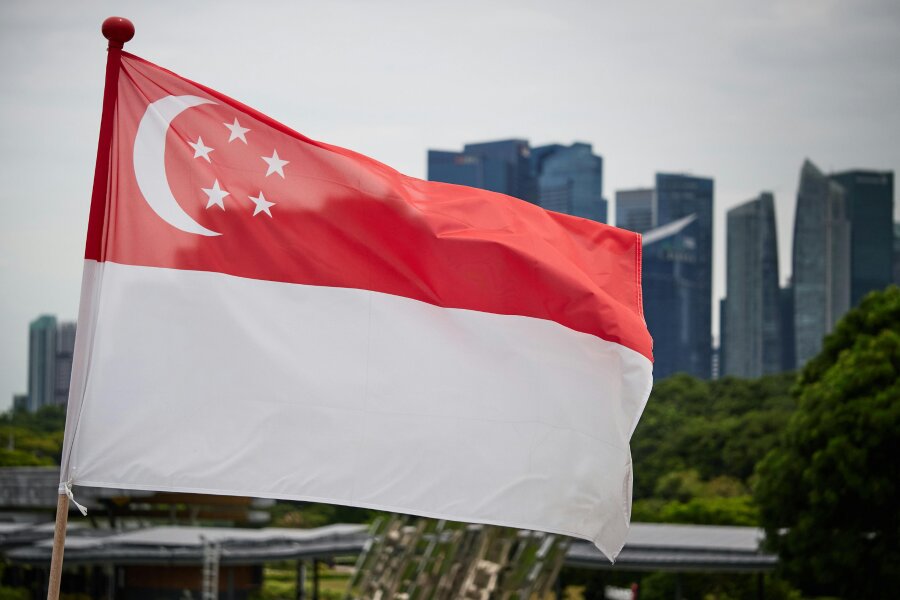
On January 9, 2026, the Singapore International Commercial Court (SICC) handed down a landmark judgment in GreenX Metals Limited v Republic of Poland SGHC(I) 1, dismissing Poland's application to set aside a multimillion-dollar arbitral award. The case centered on a dispute under the Energy Charter Treaty (ECT) and the Australia-Poland Bilateral Investment Treaty (BIT), following Poland's blockage of GreenX's mining projects. The judgment is pivotal for the global arbitration community as it directly addresses the conflict between European Union law and international investment treaties.
Poland's legal strategy relied heavily on the "intra-EU objection." Citing the European Court of Justice's (CJEU) rulings in Achmea and Komstroy, Poland argued that the arbitration clause in the ECT was invalid because disputes involving an EU member state and an investor with EU ties (via corporate structuring) cannot be removed from the jurisdiction of EU courts. Poland contended that EU law, which prohibits such arbitration, should be treated as part of the applicable public policy or governing law, thereby rendering the tribunal's jurisdiction void.
The SICC rejected this argument in its entirety. The Court held that the arbitration agreement was governed by public international law, specifically the principles codified in the Vienna Convention on the Law of Treaties. The judges ruled that Poland’s obligations under the ECT were distinct and binding under international law, irrespective of the CJEU's internal jurisprudence. The SICC emphasized that while EU law is supreme within the European legal order, it does not override international treaty commitments when adjudicated in a neutral, non-EU forum like Singapore. The Court effectively ruled that a state cannot use its own internal legal changes (even those mandated by a supranational body like the EU) to retrospectively invalidate its consent to arbitrate. This decision ensures that the award remains valid and accrues interest, which GreenX Metals noted continues to compound annually.
Source: Paul Weiss